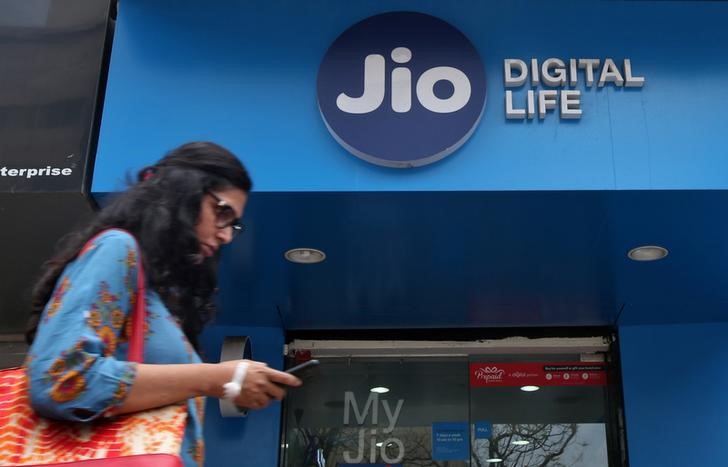
Reliance Jio Infocomm could file draft papers for a roughly $4 billion IPO within days, potentially advancing a long-awaited listing ahead of Mukesh Ambani's shareholder address. The timing reflects a weaker Indian IPO backdrop, with IPO value down 39% year-on-year to 198 billion rupees ($2.1 billion), and several high-profile deals delayed amid volatility. The news is supportive for Jio's listing prospects but overall reads as a timing update rather than a major market-moving development.
The more important signal is not the delayed listing itself, but the feedback loop it creates for India’s private-market pricing. A large, highly watched IPO coming to market after a soft patch can re-open the valuation gap between late-stage private assets and public comps, forcing a repricing across fintech, consumer internet, and telecom-adjacent names. If the deal is sized at the low end and clears well, it likely becomes a liquidity event that improves sentiment for the entire domestic issuance pipeline over the next 1-2 quarters.
For Reliance, a successful Jio listing would also improve conglomerate capital allocation optics: it creates a monetization path for a capital-intensive asset while preserving control, which could support the parent’s multiple if investors believe proceeds will be recycled into higher-return segments. The second-order loser is competing capital-hungry issuers, especially consumer-platform names that may find their own fundraising windows pushed back as domestic fund flows get absorbed by a marquee deal. There is also a subtle squeeze on local market breadth if the issue draws retail and mutual-fund demand away from mid-cap growth, temporarily weakening secondary-market risk appetite.
The contrarian read is that weak IPO tape can be bullish for the eventual deal quality. Slower issuance has reduced the odds of a crowded, speculative market, which can actually improve post-listing performance if the book is anchored by long-only institutions rather than momentum capital. The key catalyst window is days to the draft filing, then 2-6 weeks into price discovery; if the book builds cleanly despite soft sentiment, that is a stronger signal than the absolute headline valuation.
AI-powered research, real-time alerts, and portfolio analytics for institutional investors.
Overall Sentiment
neutral
Sentiment Score
0.10
Ticker Sentiment
