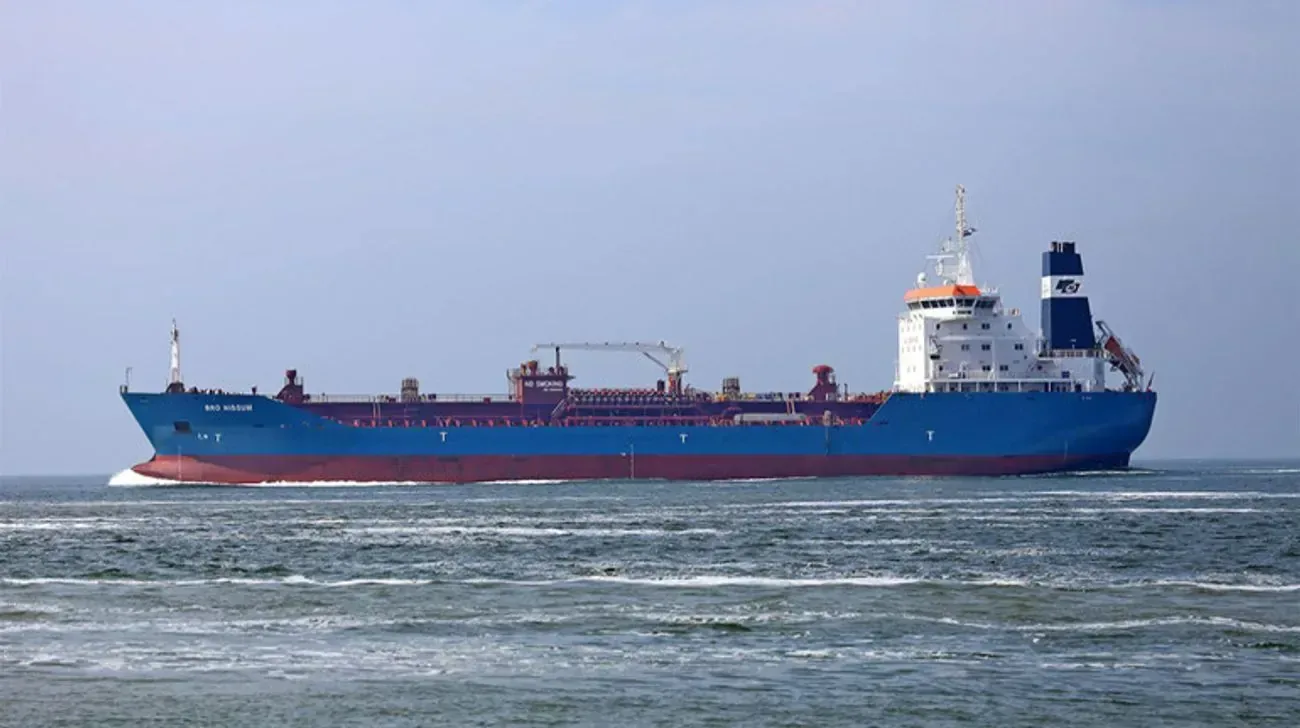
More than half of Russia’s roughly 1,800-vessel shadow fleet may be corroding, with about 1,500 tankers carrying sanctioned oil and many operating well beyond their typical 20-year service life. Industry executives say at least a third, and possibly more than half, should be scrapped, warning that uninsured, poorly maintained ships create a serious environmental disaster risk. The article adds that drones struck three shadow-fleet tankers in the Black Sea near Turkey at the end of May, underscoring elevated geopolitical and maritime risk.
The market is underpricing the second-order constraint this creates on sanctioned crude logistics: the real bottleneck is no longer just finding hulls, but keeping them classed, insured, and operable under tightening enforcement. That should increase voyage friction, lengthen turnaround times, and raise effective transport costs for any barrel that still has to move outside the compliant fleet, which is mildly supportive for non-Russian crude differentials and for traditional tanker operators with clean balance sheets.
The bigger risk is not a gradual decline in Russia’s export volume; it is a low-probability, high-severity spill or casualty that triggers a rapid policy response. A major incident in the Black Sea or a choke point would likely force insurers, ports, and coastal states to harden screening immediately, creating a step-function reduction in shadow-fleet availability over days to weeks rather than months. That would compress Russian export optionality and could temporarily tighten regional refined-product markets if replacement barrels have to be rerouted over longer distances.
Second-order beneficiaries are compliant shipping owners, marine insurers, salvage/remediation contractors, and environmental liability specialists. The loser set extends beyond Russia: independent traders using gray-market tonnage face rising counterparty risk, while importers exposed to discount crude may see a narrower price advantage as freight, demurrage, and compliance costs rise. The consensus may be too focused on the environmental headline and not enough on the operational degradation of a parallel logistics system that becomes exponentially less efficient as vessel age, maintenance deferral, and sanctions pressure compound.
Contrarian view: the setup may be more of a slow bleed than an immediate supply shock. Unless enforcement expands materially or a major accident occurs, Russia can keep extracting economic value from a shrinking pool of assets, so the trade is likely in relative winners rather than a directional energy macro call. The best risk/reward is to own the friction and safety premium, not to chase an outright oil spike.
AI-powered research, real-time alerts, and portfolio analytics for institutional investors.
Request TrialOverall Sentiment
strongly negative
Sentiment Score
-0.75
