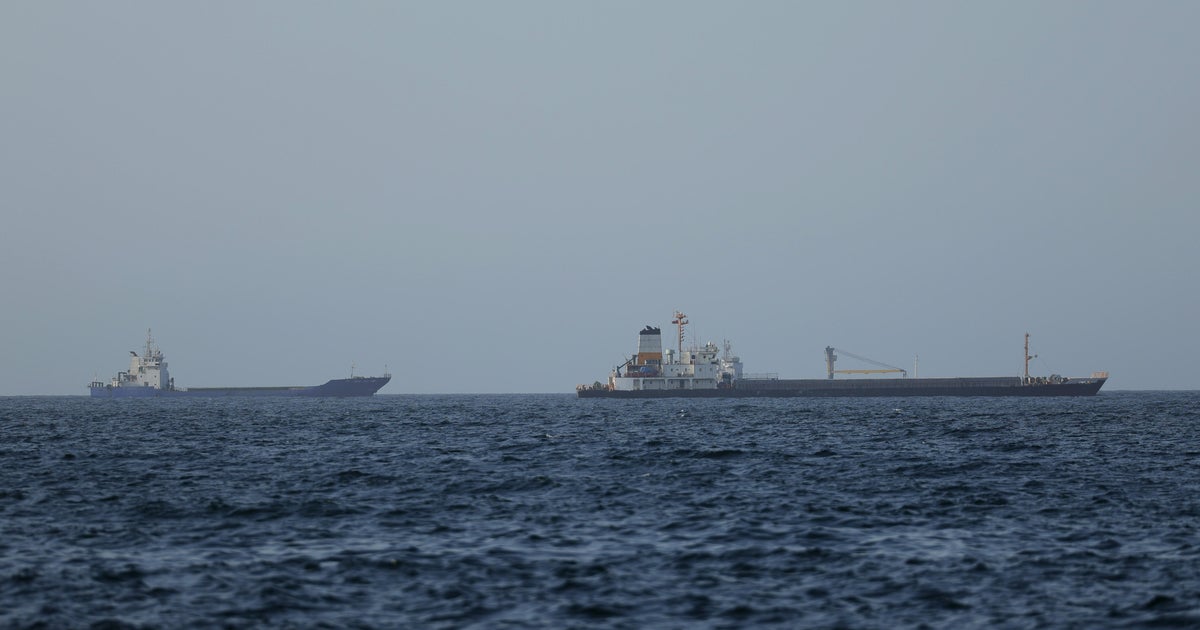
The U.S. and Iran signed a memorandum of understanding that lifts the naval blockade, reopens the Strait of Hormuz, and sets up 60 days of technical talks on Iran's nuclear program. Traffic through the strait has already increased, with at least 10 commercial vessels transiting and 12.5 million barrels of oil moving through the waterway overnight, easing a major supply-risk premium for energy markets. However, the deal remains fragile: Israel says it will keep troops in southern Lebanon, and Washington has warned it could reimpose the blockade and resume strikes if Iran does not comply.
The market is pricing a de-escalation premium, but the cleaner read is that this is a volatility compression trade rather than a durable peace trade. The first-order beneficiary is global shipping insurance, tanker utilization, and downstream airlines/industrials via lower fuel input costs; the second-order winner is any asset sensitive to reduced “fear of interruption” premia, especially refined products and LNG freight. The bigger near-term loser is the defense/war-risk complex: even a partial reopening of the corridor sharply reduces the urgency to pay up for emergency tonnage, war-risk cover, and inventory buffers.
The key setup is that the agreement is operationally fragile over a 2-8 week window. If enforcement remains asymmetric, any flare-up in Lebanon or a missile/inspection dispute could reprice oil and freight faster than diplomacy can absorb it, because the physical market still has residual congestion and routing inefficiencies that can reverse in hours, not days. That means the trade is less about directionality in Brent and more about realized volatility in energy, shipping, and regional defense names.
Consensus is probably underestimating the mismatch between headline diplomacy and hard logistics. Reopening a chokepoint does not immediately normalize vessel flows; it just removes the tail-risk discount, leaving a period where throughput can improve while insurance, routing, and inventory behavior remain distorted. That creates a window where markets over-rotate on peace headlines, then fade when compliance bottlenecks, inspections, or local spoilers appear.
From a portfolio perspective, the attractive asymmetry is in short-dated hedges against a renegotiation failure, while staying selectively long beneficiaries of lower input costs. The most important catalyst is not the next statement from leaders, but whether volumes through the corridor normalize toward pre-war levels over the next 1-3 weeks; if they stall, the market should unwind most of the optimism quickly.
AI-powered research, real-time alerts, and portfolio analytics for institutional investors.
Request DemoOverall Sentiment
mildly positive
Sentiment Score
0.20
