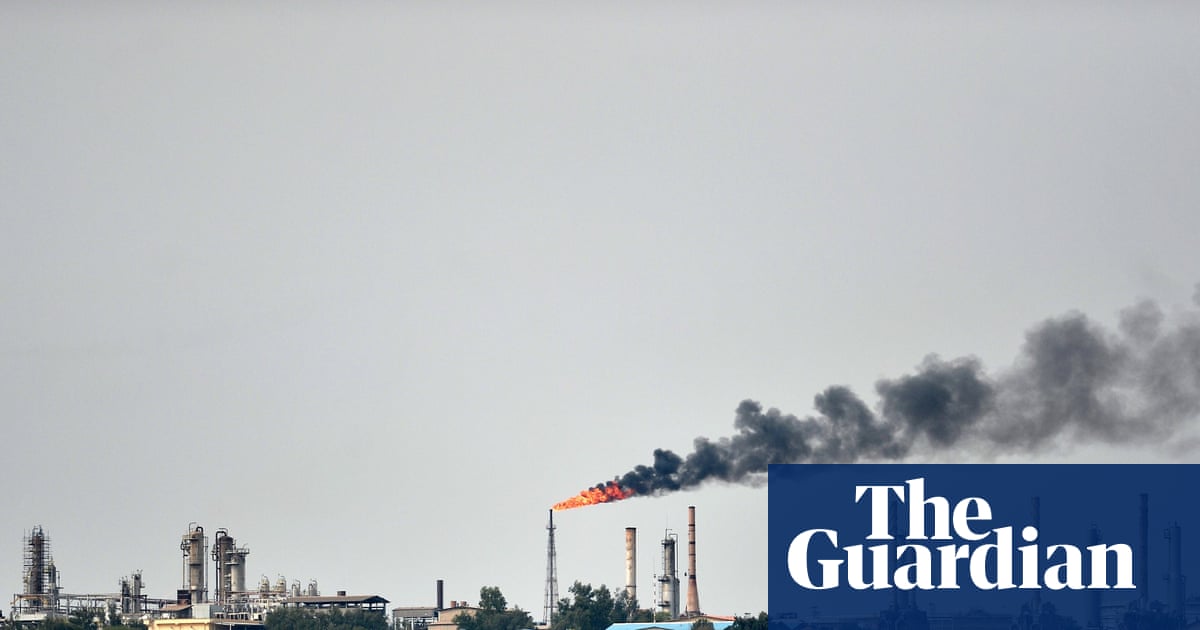
US forces struck Iran's Kharg Island and President Trump warned he spared the island's oil infrastructure but could target it if shipping through the Strait of Hormuz is impeded; Iran threatened reciprocal attacks on energy infrastructure. Kharg is the primary export terminal for Iranian oil; analysts warn Brent could move from ~$120/bbl toward $150/bbl if Kharg is hit. The US also ordered 2,500 marines and the amphibious assault ship USS Tripoli to the region, augmenting a carrier presence including USS Abraham Lincoln, raising regional military and supply-chain risk. Expect higher oil-price volatility, pressure on energy and shipping-related assets, and a need to hedge crude exposure and reassess EM energy and logistics positions.
A credible escalation targeting a chokepoint in global oil exports will manifest immediately as a risk premium rather than an outright physical shortage — expect spot Brent to gap up via a 15–30 $/bbl shock in days if insurance rates and tanker rerouting push effective delivered volumes down by 5–10%. The mechanics are short-term freight/insurance dislocations, followed by refinery feedstock reshuffles that steepen Brent/WTI and increase Asia–Europe cracks as buyers compete for non-regional barrels.
Second-order supply-chain winners include shipowners and owners of floating storage (VLCC/Suezmax) and firms that provide maritime security and terminal hardening; losers are short-cycle middlemen (traders with negative roll exposure) and fuel-intensive transport operators whose margins are elastic to oil above $80–100. Financially, contango will widen if the market anticipates prolonged disruption, making cash-and-carry and physical storage plays attractive while penalizing leveraged long-spot ETF holders due to roll costs.
Time horizons: near-term (days–weeks) dominated by volatility spikes and freight/insurance rate normalization; medium-term (1–3 months) driven by political/diplomatic signaling and SPR releases which can remove a large chunk of the premium quickly; long-term (6–36 months) could catalyze structural capex reallocation into storage, diversification of export routes, and persistent risk premia on barrels sourced from politically exposed regions.
AI-powered research, real-time alerts, and portfolio analytics for institutional investors.
Request DemoOverall Sentiment
strongly negative
Sentiment Score
-0.70
