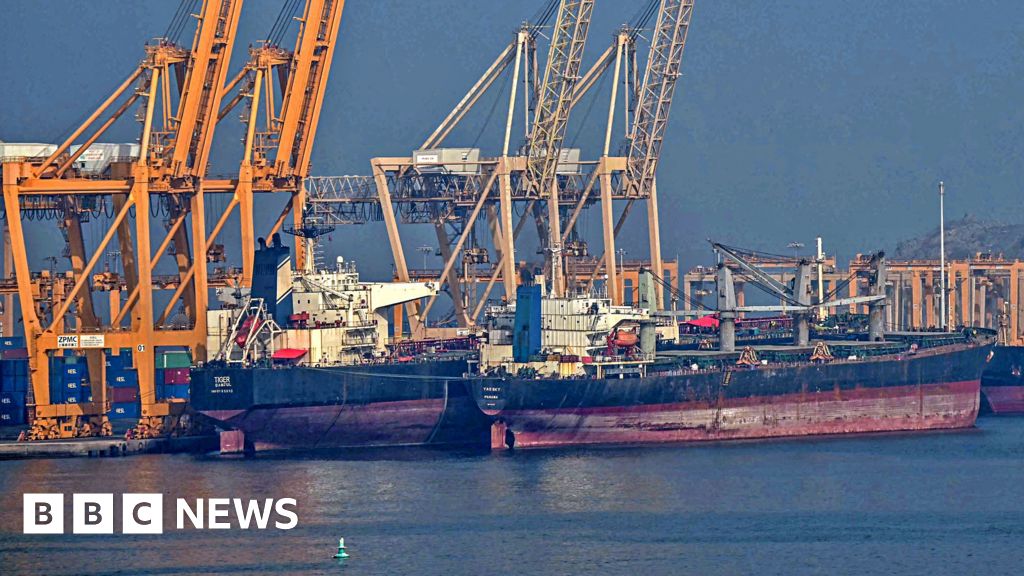
The UAE will quit Opec and Opec+ next month after nearly 60 years, a move that could reduce the cartel's oil-market influence and eventually add around 1 million barrels per day of supply outside the group. Opec loses about 15% of its capacity from the UAE's exit, while oil prices have already surged to $113 a barrel from about $73 before the war began. The decision is broadly bearish for Opec cohesion and could increase long-term supply and price volatility.
This is less a near-term supply event than a regime signal: a disciplined producer is choosing optionality over cartel discipline just as geopolitical disruption is already tightening physical flows. The first-order reaction is energy risk premium persistence, but the second-order effect is more important: if one low-cost, capacity-expanding producer can defect without immediate penalty, the coordination value of OPEC+ deteriorates and price management becomes structurally less credible. That raises medium-term volatility even if outright prices eventually drift lower.
The key market implication is a flatter but noisier oil forward curve. In the next few months, prices may stay supported by transit disruption and inventory draws, yet over 6-18 months the UAE’s incentive to monetize spare capacity should cap rallies and weaken the cartel’s ability to defend high-price levels. The bigger loser is not just Saudi Arabia; it is every upstream project whose economics depend on OPEC withholding supply, because the marginal barrel is likely to return from the Gulf faster than consensus expects.
Contrarian view: the market may be overpricing an immediate flood of supply and underpricing the fact that the UAE still needs infrastructure, offtake, and shipping to convert capacity into exports. If the geopolitical backdrop stays unstable, the UAE can have more nominal capacity but still lack frictionless access to barrels-to-market. That means the trade is better expressed as higher volatility and a lower long-run price ceiling than as a straight-line bearish oil call.
The cleanest path is to fade implied complacency, not chase spot weakness. Energy equities with high beta to sustained $80-100 oil remain supported, but the long-duration winners are refiners, shipping, and low-cost producers that benefit from wider differentials and more trading churn. A credible catalyst to reverse this thesis would be a negotiated de-escalation in the Middle East plus explicit UAE/Russia capacity coordination; absent that, the cartel story keeps degrading over months, not days.
AI-powered research, real-time alerts, and portfolio analytics for institutional investors.
Request DemoOverall Sentiment
mildly negative
Sentiment Score
-0.15
Ticker Sentiment
