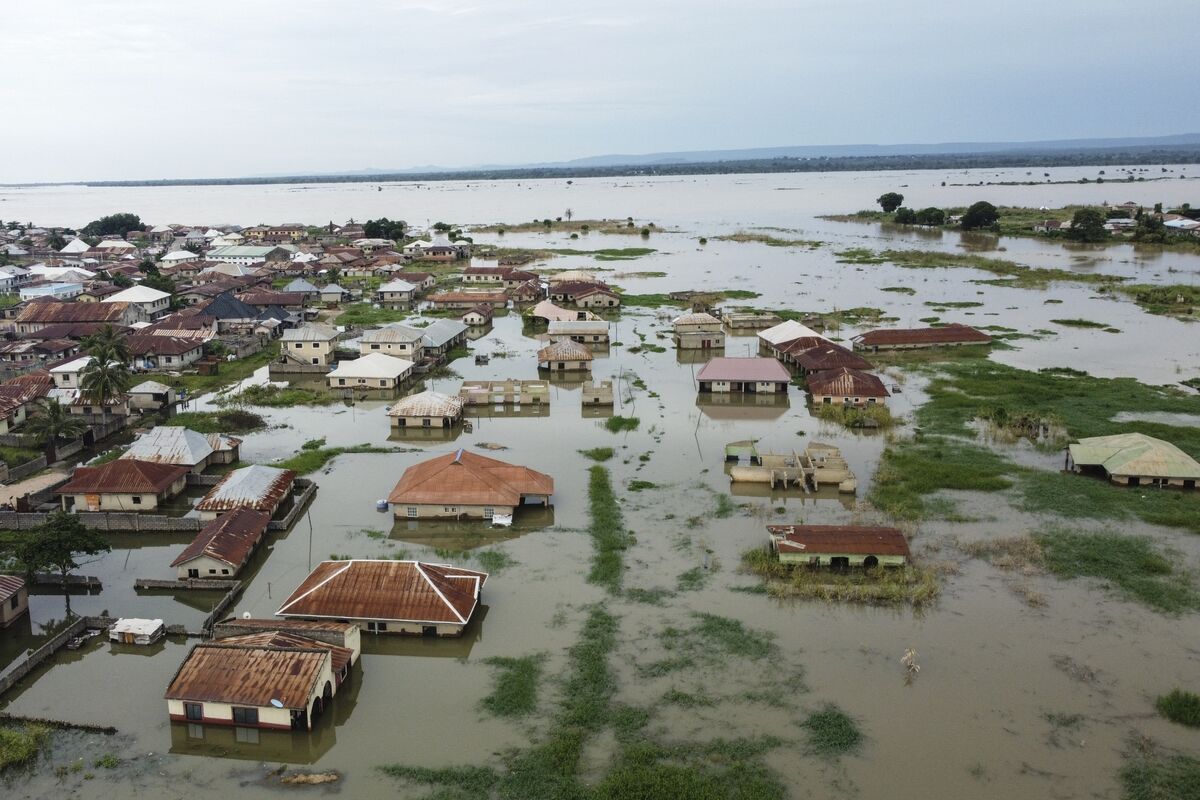
A recent report by the Coalition for Disaster Resilient Infrastructure (CDRI) indicates that Africa incurs an average annual loss of $12.7 billion in infrastructure due to disasters. Flooding accounts for 70% of this damage, while earthquakes, though less frequent, contribute approximately 28% due to their catastrophic nature. This substantial capital destruction highlights significant risks to infrastructure assets across the continent, underscoring critical considerations for investment in resilient development and risk mitigation strategies.
A new report from the Coalition for Disaster Resilient Infrastructure (CDRI) quantifies the average annual loss from infrastructure damage in Africa at $12.7 billion. This substantial figure highlights a persistent capital risk for assets on the continent. The primary driver of these losses is flooding, which accounts for 70% of the damage, while earthquakes contribute a significant 28%, noted as being less frequent but more catastrophic. The findings, backed by a coalition including UN agencies and development banks, provide a crucial data point for assessing the physical and financial risks associated with African infrastructure investments. The strongly negative sentiment underscores the severity of this capital destruction, which acts as a material headwind to economic growth and an embedded risk premium for regional investments.
AI-powered research, real-time alerts, and portfolio analytics for institutional investors.
Request DemoOverall Sentiment
strongly negative
Sentiment Score
-0.70
