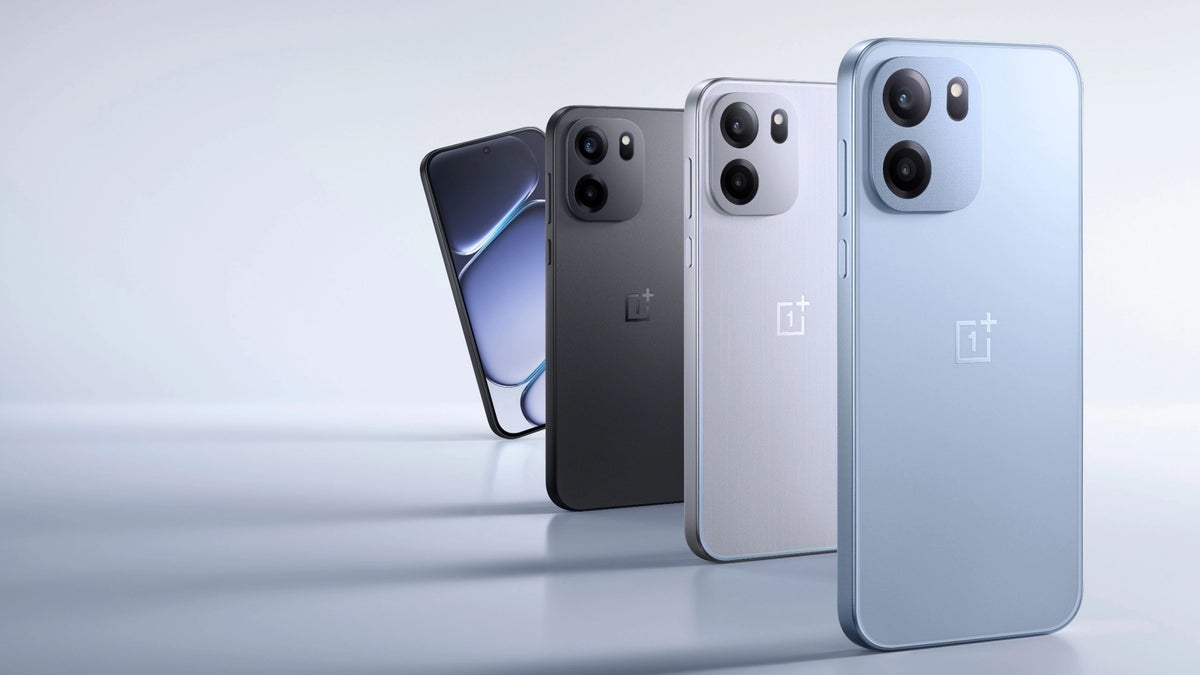
OnePlus officially launched the Nord CE6 and Nord CE6 Lite in India, pricing the CE6 at Rs. 29,999 for 128GB and Rs. 32,999 for 256GB, while the CE6 Lite starts at Rs. 20,999 ($222) for 6GB/128GB. Both models emphasize unusually large batteries—8,000mAh and 7,000mAh—along with high-refresh-rate displays, 80W/45W charging, and rugged durability features. The launch is strongly positive for OnePlus’s value proposition but is unlikely to materially move markets beyond the smartphone segment.
The immediate read-through is not to handset OEMs so much as to component suppliers with low-ASP volume exposure: the design clearly leans on commoditized display, battery, charging IC, and cover-glass content, which is favorable for scale vendors but pressure on per-unit economics for the phone maker and channel. The standout is the battery story: once 7,000-8,000mAh becomes a mainstream midrange feature, consumers will start benchmarking on endurance rather than camera deltas, which tends to extend replacement cycles and intensify price competition across Android tiers.
For QCOM, this is a modestly constructive demand signal but not a material earnings catalyst by itself; the relevant question is whether these midrange launches can defend premium Android share in India and parts of Europe while keeping Snapdragon design wins sticky below flagship tiers. The second-order risk is that “good enough” performance at sub-$350 price points compresses the value stack for competitors using higher-end silicon, forcing richer subsidies or margin concessions across the ecosystem over the next 2-3 quarters.
GLW is a cleaner beneficiary in narrative terms if the durability messaging translates into higher adoption of reinforced cover glass and premium display protection in sub-premium devices. However, the market may be overestimating the monetization per device: ruggedness claims can support attach rates, but if this becomes table stakes in emerging-market midrange, glass suppliers win on volume, not pricing power. The contrarian view is that this launch is less about one brand and more about a template for Chinese and Indian OEMs to push flagship-like specs into the mass market, which is bearish for industry margins even if units grow.
Catalyst-wise, the next 30-90 days matter for channel sell-through in India and any signal of Europe rollout. If these devices gain traction, expect copycat launches that shift consumer demand toward battery-first SKUs and accelerate promotional intensity into the next refresh cycle; if adoption is weak, the pricing premium versus local competitors likely caps the upside quickly.
AI-powered research, real-time alerts, and portfolio analytics for institutional investors.
Request DemoOverall Sentiment
moderately positive
Sentiment Score
0.62
Ticker Sentiment
