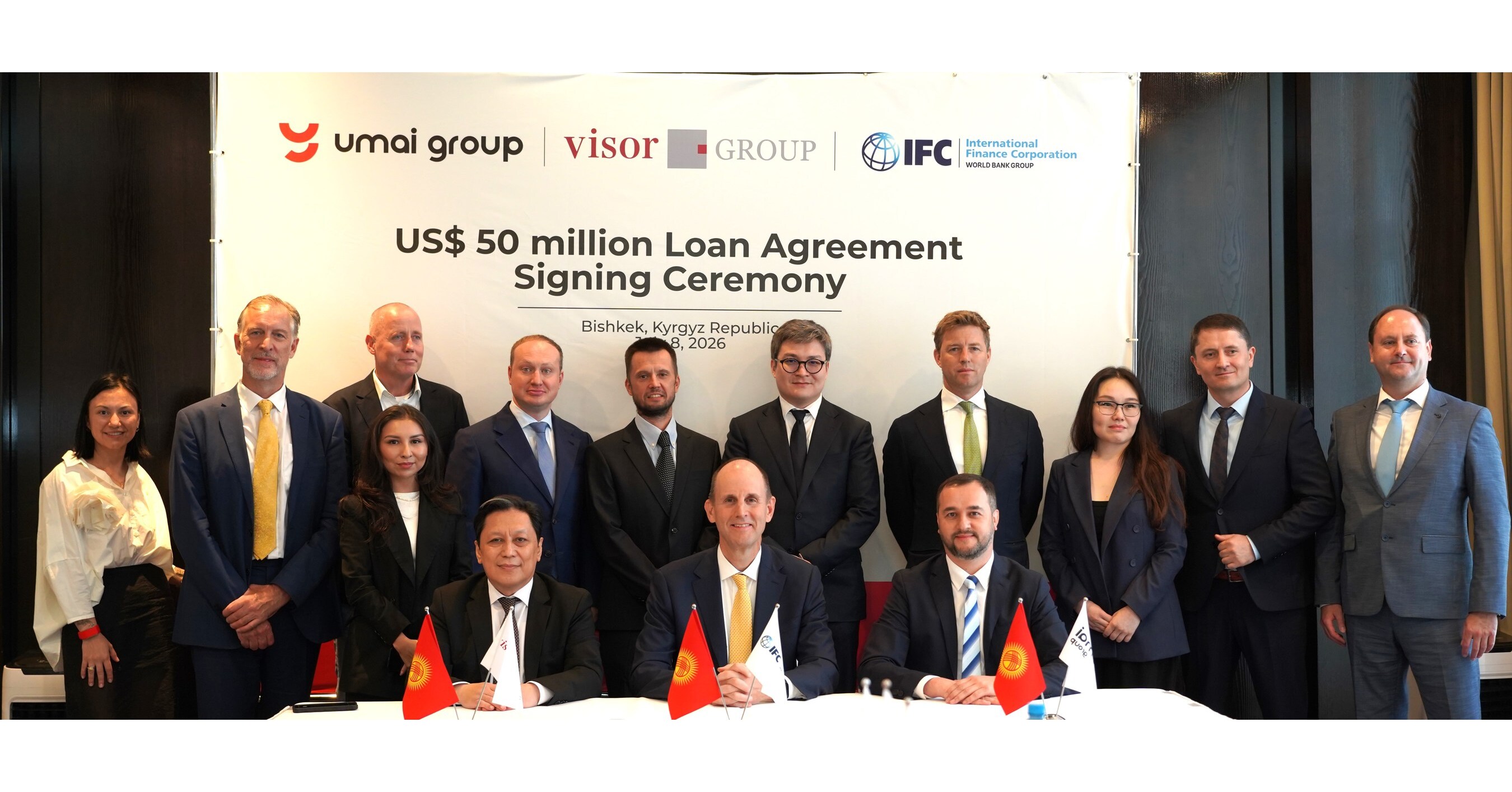
IFC is providing Umai Group with a $50 million loan facility to build a centralized, multi-temperature, EDGE-certified distribution center in Bishkek, expected to complete in mid-2027. The capex is aimed at modernizing logistics to support store expansion from 172 to up to ~400 outlets, targeting 22,000+ direct and indirect jobs and improved affordable food access. The deal is framed as a positive endorsement of Umai’s governance and growth opportunity in Kyrgyzstan’s fast-growing retail market.
This is a capital-structure and operating-model upgrade, not a near-term earnings event. The real mechanism is better inventory turns, lower shrink, and stronger supplier bargaining power once a centralized cold-chain DC is live; that can lift gross margin and reduce working-capital volatility, but only after a long ramp and only if store growth keeps pace. In the next 1-3 months, the market should mostly read this as a governance/financing signal rather than a P&L catalyst.
The most important second-order winner is not the retailer itself but the broader formal supply chain: refrigerated logistics, packaging, local farm aggregation, and construction/services tied to the DC. The losers are fragmented corner stores, informal wholesalers, and any competitor that relies on a patchwork import-and-distribute model; modern retail scale tends to compress their pricing power and pull more volume into organized channels over 6-18 months. If the project succeeds, it can also improve bankability for other Kyrgyz corporates by demonstrating that IFC-backed balance sheets can access term funding.
The contrarian risk is that investors overestimate the speed of monetization. A $50 million facility is meaningful locally but small relative to the ambition of doubling stores, so execution risk shifts to FX, import inflation, construction delays, and whether consumer demand can absorb a much larger footprint without a working-capital squeeze. The thesis breaks if the DC slips materially past mid-2027, if the som weakens enough to offset logistics gains, or if same-store sales decelerate before the network expansion starts contributing.
AI-powered research, real-time alerts, and portfolio analytics for institutional investors.
Overall Sentiment
strongly positive
Sentiment Score
0.55
Ticker Sentiment
