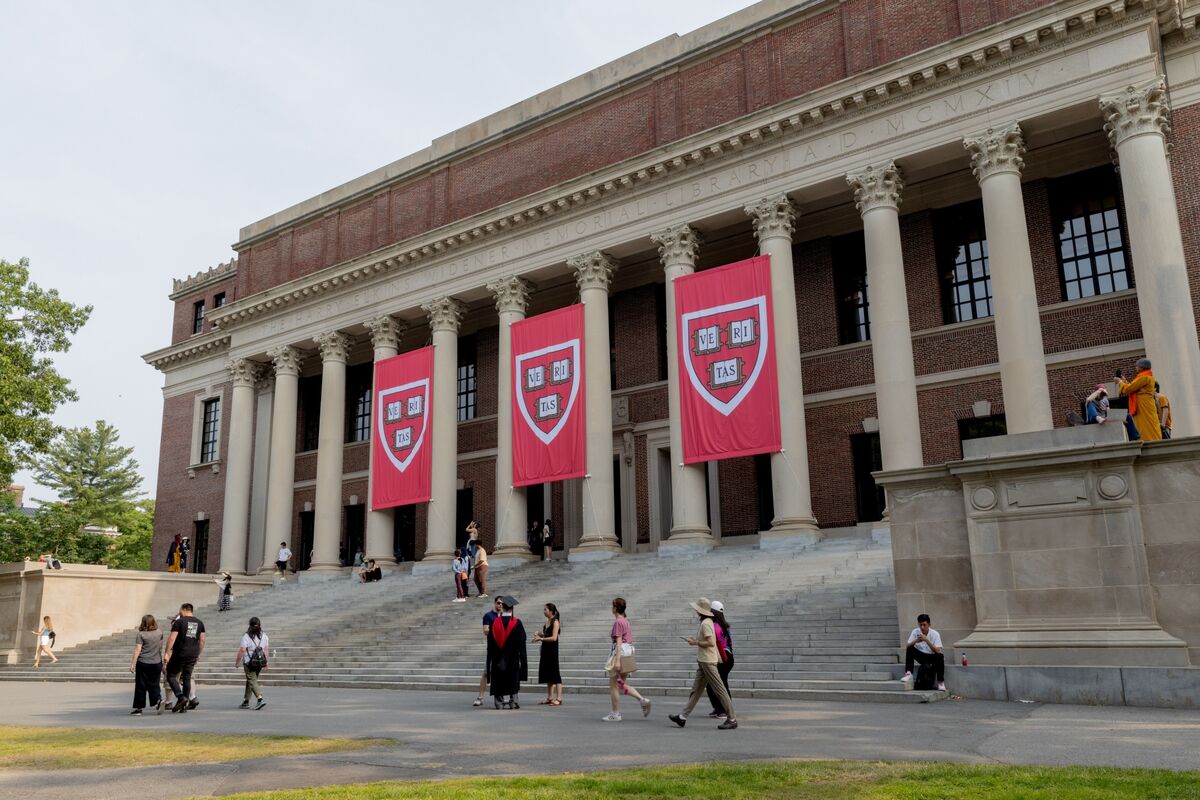
Harvard University is reportedly prepared to commit $500 million to workforce training programs as part of a proposed settlement with the White House, aiming to unfreeze over $2 billion in federal funds. This arrangement, which the administration supports, allows universities to direct funds towards workforce development instead of paying direct fines, establishing a potential precedent for other institutions, following Brown University's recent $50 million agreement for similar programs.
Harvard University is reportedly proposing a $500 million payment for workforce training programs to resolve a dispute with the White House and unlock over $2 billion in frozen federal funds. This development indicates a potential pathway for de-escalation, establishing a settlement model where institutions contribute to policy-prioritized areas instead of paying direct fines, a method Harvard has explicitly rejected unlike Columbia University. The proposal follows a similar, smaller-scale agreement by Brown University, which committed $50 million over ten years, suggesting this could become a standardized approach for other colleges navigating political and regulatory pressure. While the direct market impact is minimal as no public entities are named, the key takeaway is the creation of a new precedent for resolving government-institution disputes and the potential for a significant, non-governmental capital injection into the workforce development sector.
AI-powered research, real-time alerts, and portfolio analytics for institutional investors.
Request DemoOverall Sentiment
moderately positive
Sentiment Score
0.45
