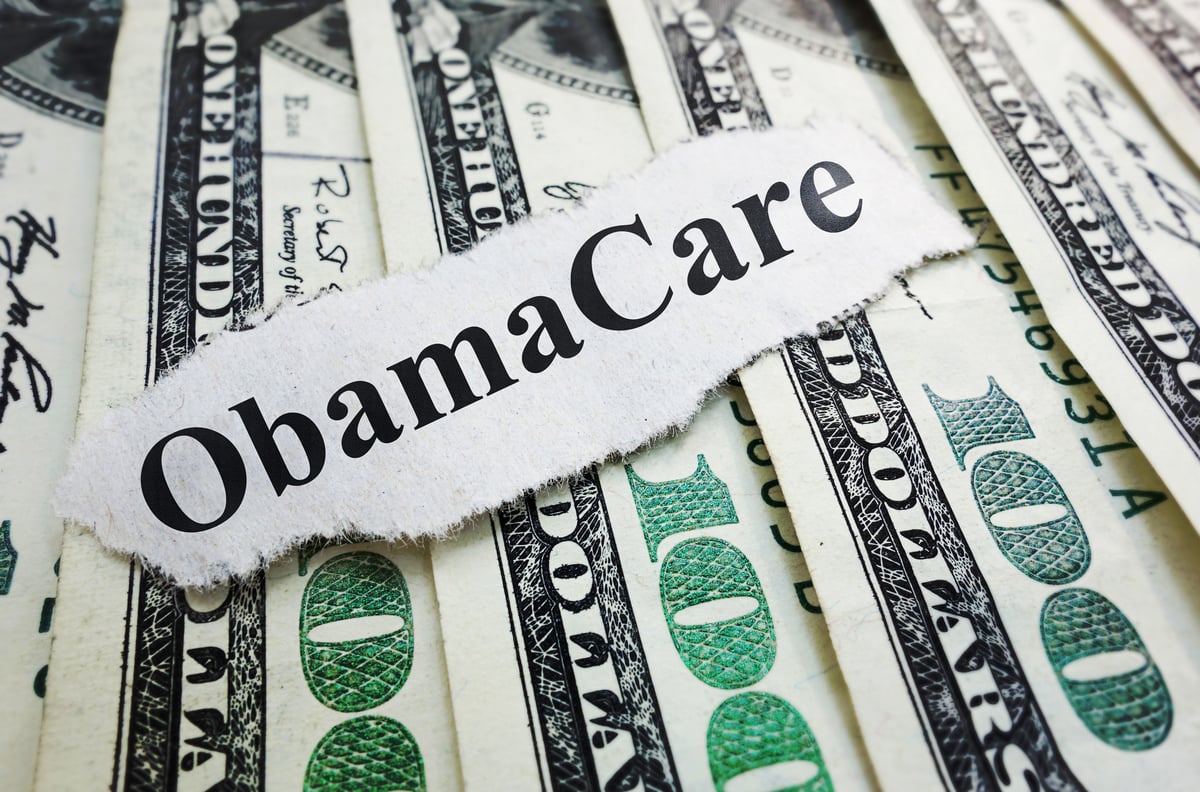
Centene shares jumped about 8% intraday after reports that the Trump administration may extend Affordable Care Act subsidies for two years, reducing the risk of premium spikes and policy dropouts. Centene said the ACA helped its commercial marketplace business grow 12% in 2024, revenue rose ~4%, and the company raised 2025 guidance. Analysts expect Centene to post a loss this year (likely >$10/share) but to return to profitability next year at roughly $1.83 EPS; at roughly $40/share that implies a ~22x forward P/E. The subsidy extension materially lowers downside risks to Centene's marketplace results, but valuation and near-term earnings uncertainty leave a cautious investment case.
Market structure: Policy clarity reduces tail volatility for marketplace-focused health plans, shifting winners to scaled managed-care operators with diversified revenue stacks and high network leverage. Smaller, capital-constrained pure-play issuers lose relative bargaining power with providers if enrollment growth is muted; expect pricing power to consolidate with top 3–4 national players over 12–24 months.
Risk assessment: Primary tail risks are a policy reversal or legal injunction within 3–9 months and a faster-than-expected provider cost shock that compresses medical-loss ratios; either can erase recent multiple expansion. Hidden dependencies include state-level exchange administration and timing of payments from CMS, so watch CMS guidance windows and Q2/Q3 enrollment metrics as near-term triggers.
Trade implications: Favor asymmetrical exposure—directional equity exposure sized modestly (2–4% portfolio) with protective options to cap downside; consider replacing smaller-cap insurer exposure with large-cap managed-care. Use a 3–9 month horizon for realized fundamental improvement; trim or hedge if realized enrollment growth misses consensus by >5% or guidance is cut.
Contrarian angles: The price move likely overshot given near-term earnings uncertainty and execution risk—market priced recovery rather than proven cash flow improvement. If the company executes and claims loss-year-to-profitability timing is confirmed, upside is underappreciated; conversely, any delayed recovery creates fast downside given elevated leverage and volatile short-term EPS dynamics.
AI-powered research, real-time alerts, and portfolio analytics for institutional investors.
Request DemoOverall Sentiment
mildly positive
Sentiment Score
0.28
Ticker Sentiment
