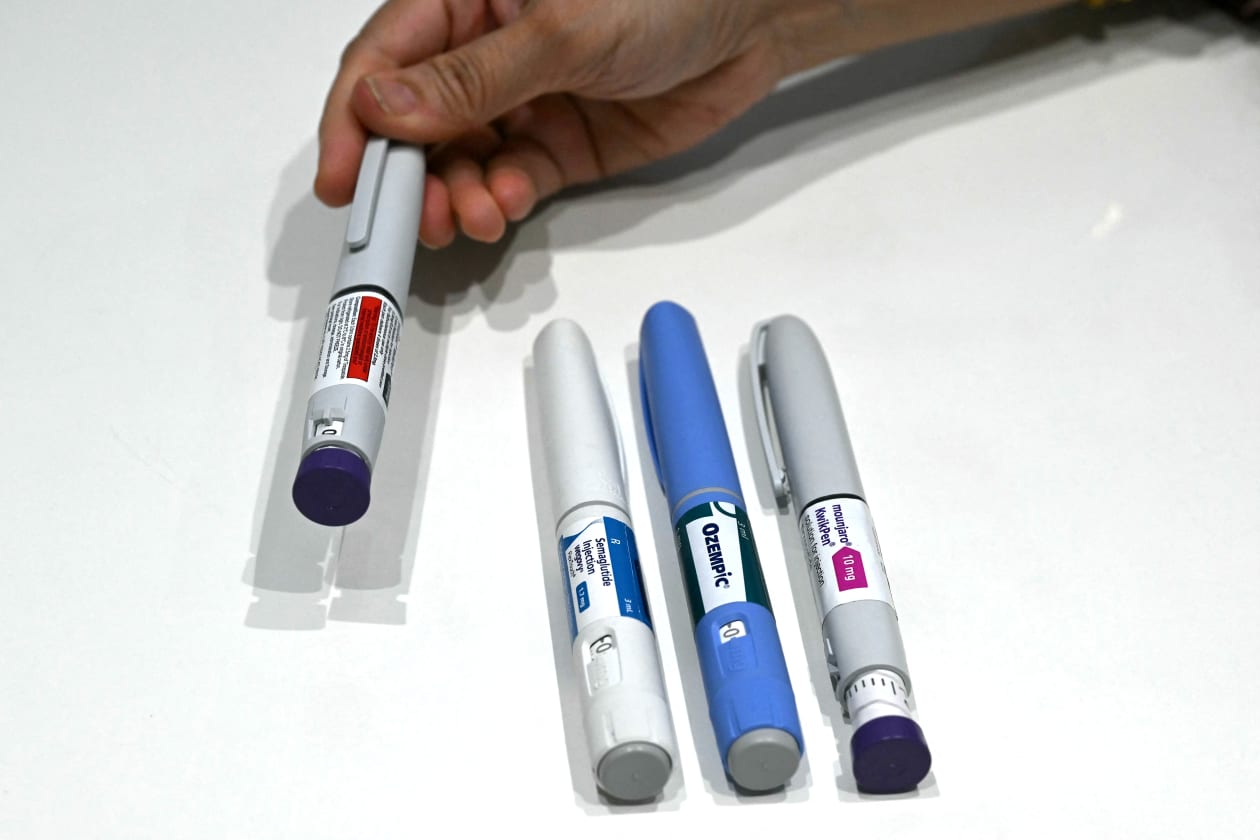
Health insurers are pushing back against a new Medicare program that would let beneficiaries pay $50 per month for GLP-1 weight-loss drugs. CVS reportedly said it will not participate, while UnitedHealth cited "notable challenges" and outstanding questions on its earnings call. The article signals regulatory and reimbursement friction for a fast-growing drug category, but does not indicate an immediate broad market move.
The market is likely underestimating how a government-sponsored low-cost GLP-1 channel changes bargaining power across the benefit stack. If adoption scales, the biggest economic transfer is not from insurers to patients, but from incumbent PBM/plan intermediaries to the manufacturers and any distribution partners that can operationalize prior auth, adherence, and refill management at scale. That creates a subtle winner set outside the headline names: retail/pharmacy operators with compliance infrastructure and specialty-adjacent services could see incremental traffic, while plans face margin compression if they cannot tightly manage utilization.
For CVS and UNH, the near-term issue is less direct earnings impact and more signaling risk. Public resistance suggests either economics are unattractive at current reimbursement levels or operational friction is high enough to impair rollout, which can weigh on sentiment for weeks even if the actual financial hit is modest. The bigger medium-term risk is that this becomes a political headline about access, forcing plans to choose between reputational damage and margin dilution over the next 1-2 quarters.
The contrarian angle is that the refusal to participate may actually be bullish for disciplined payers if it indicates strong gatekeeping rather than lost opportunity. If utilization evidence shows low adherence or poor weight-loss persistence, the program could be re-priced or narrowed quickly, reducing downside for the insurers and limiting the durability of the policy trade. In that case, the current negative reaction could be overdone versus the eventual earnings impact, especially if management can frame this as prudent underwriting rather than obstruction.
The cleanest trade is a tactical short on sentiment, not fundamentals: UNH into earnings or policy headlines, with a 2-6 week horizon, looking for multiple compression if the issue becomes a talking point for analysts and politicians. CVS is more of a relative-value short versus managed-care peers if investors start extrapolating regulatory friction into its broader pharmacy/benefits model. If you want convexity, consider short-dated put spreads on UNH to express downside from headline risk while capping premium outlay.
AI-powered research, real-time alerts, and portfolio analytics for institutional investors.
Request TrialOverall Sentiment
mildly negative
Sentiment Score
-0.15
Ticker Sentiment
