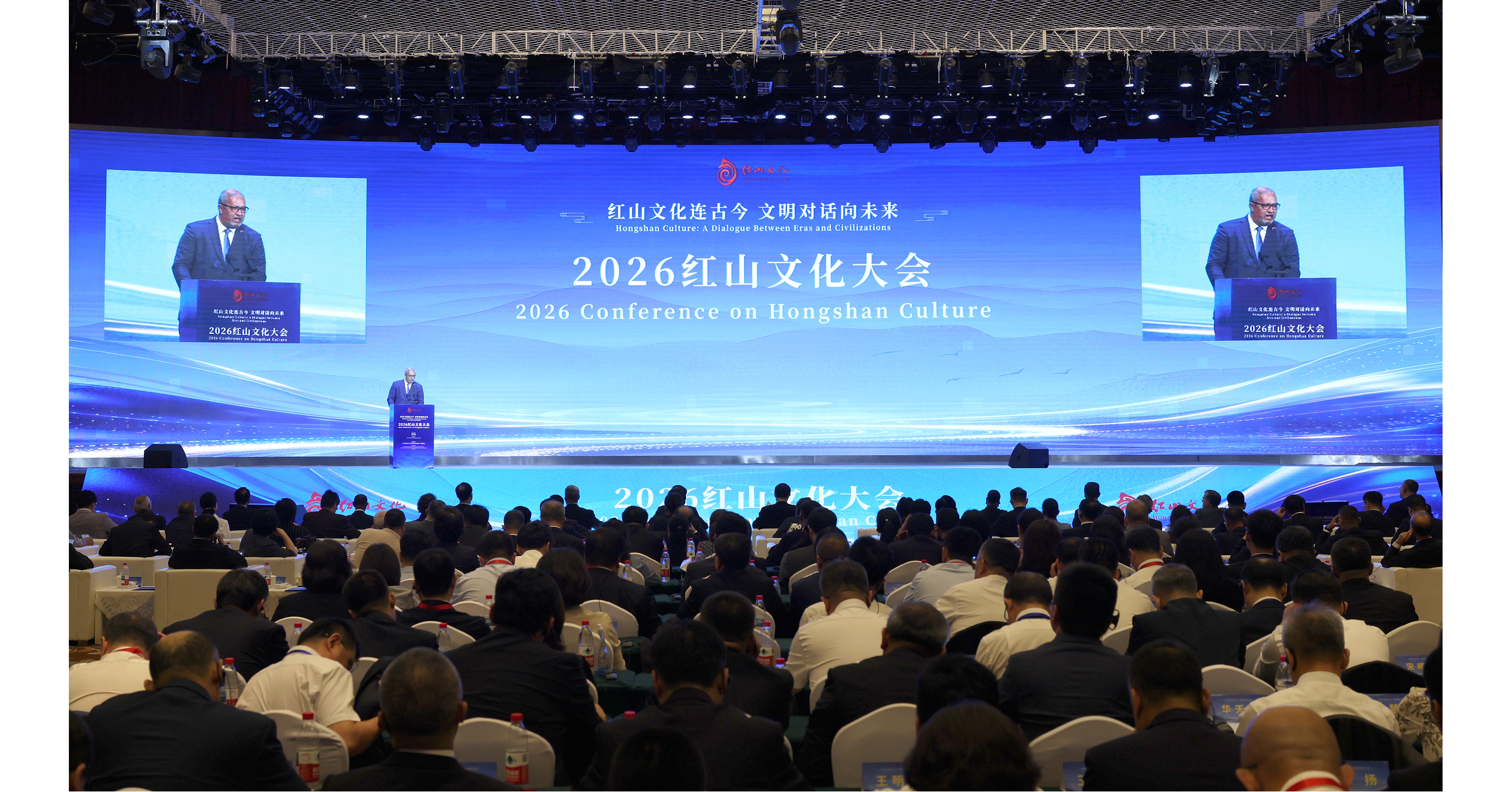
China’s Liaoning, Hebei, and Inner Mongolia heritage authorities signed the Liaoning–Hebei–Inner Mongolia Cooperation Agreement on archaeological research into Hongshan Culture to support coordinated preservation. The article highlights legislative protection for the Niuheliang site, expanded academic research (including a Hongshan Culture Research Institute), and plans to pursue World Heritage status jointly. It also calls for transforming and utilizing archaeological findings via site parks, thematic museums, exhibitions, and culture–tourism integration, including digital forms.
This reads as a low-monetization policy signal rather than an investable earnings catalyst. The economic channel is mostly public-sector capex and operating spend into museums, site parks, digitization, and tourism infrastructure, which tends to leak slowly into listed beneficiaries and is usually funded by reallocation rather than fresh stimulus. For that reason, any upside to domestic travel, cultural-content, or exhibition names is likely incremental over 6-18 months, not something that changes near-term estimates.
The consensus trap is to confuse heritage branding with demand acceleration. Without a visible budget envelope, visitor conversion data, or a formal UNESCO milestone, the move is mostly narrative support for local governments and state media, not a demand shock. A stronger read-through would be if the coordination agreement unlocks cross-province route packaging and school-tour programs; that could help OTAs and hotel chains on the margin, but only after 1-2 reporting cycles. The thesis breaks if macro softness overwhelms discretionary travel or if the policy turns into ceremony without funding.
AI-powered research, real-time alerts, and portfolio analytics for institutional investors.
Request DemoOverall Sentiment
neutral
Sentiment Score
0.05
Ticker Sentiment
