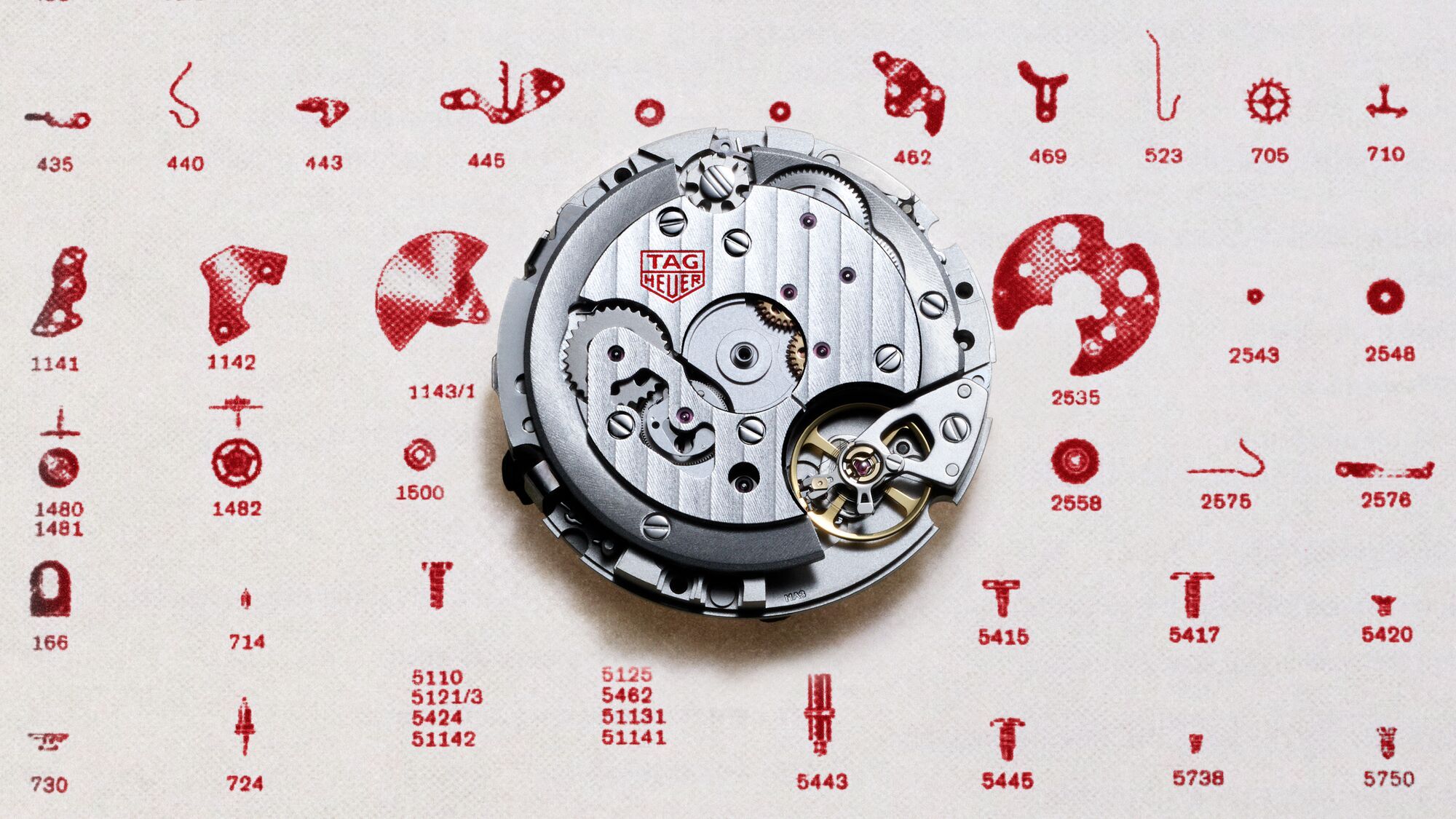
TAG Heuer has launched a redesigned Monaco Chronograph, a 39mm grade-five titanium model with an in-house automatic Calibre TH20-11, 80-hour power reserve, and five-year warranty. The update includes three references, refined ergonomics, and a closer-to-square sapphire crystal while retaining the Monaco’s signature left-side crown and bi-compax layout. The article is primarily a brand and product story, so the likely market impact is limited.
This is a signal that TAG Heuer is trying to move the Monaco from a nostalgia asset into a higher-throughput core SKU. The key second-order effect is not design polish; it is that a more wearable case and a more reliable movement lower the friction for first-time luxury buyers, which should improve sell-through beyond the collector base and reduce dependence on limited-edition hype cycles. If successful, that broadens the brand’s addressable audience without needing a discounting strategy, a meaningful margin-protection lever in a softening discretionary environment.
The competitive read-through is more interesting than the watch itself: this is a direct pressure point on heritage sports-watch peers that have leaned on untouchable design icons but have been slower to modernize ergonomics. In practice, the launch should help TAG Heuer defend share against mid-luxury rivals by shifting the conversation from price to specification density and wearability. The titanium and in-house movement mix also implies better gross margin resilience versus steel-heavy competitors if the brand can hold pricing, though this advantage only matters if the product is distributed at sufficient scale.
The risk is that the Monaco remains a “seen-it-before” object for enthusiasts, meaning the uplift may be more brand halo than revenue catalyst over the next 1-2 quarters. The real catalyst window is 6-12 months: if the redesign becomes the template for adjacent TAG Heuer lines, the company can re-rate its product mix and average selling price. The contrarian view is that this may be less about innovation and more about incrementalism; if initial waitlists are thin, it would suggest the market already values heritage design and not another refinement layer.
AI-powered research, real-time alerts, and portfolio analytics for institutional investors.
Request TrialOverall Sentiment
moderately positive
Sentiment Score
0.45
