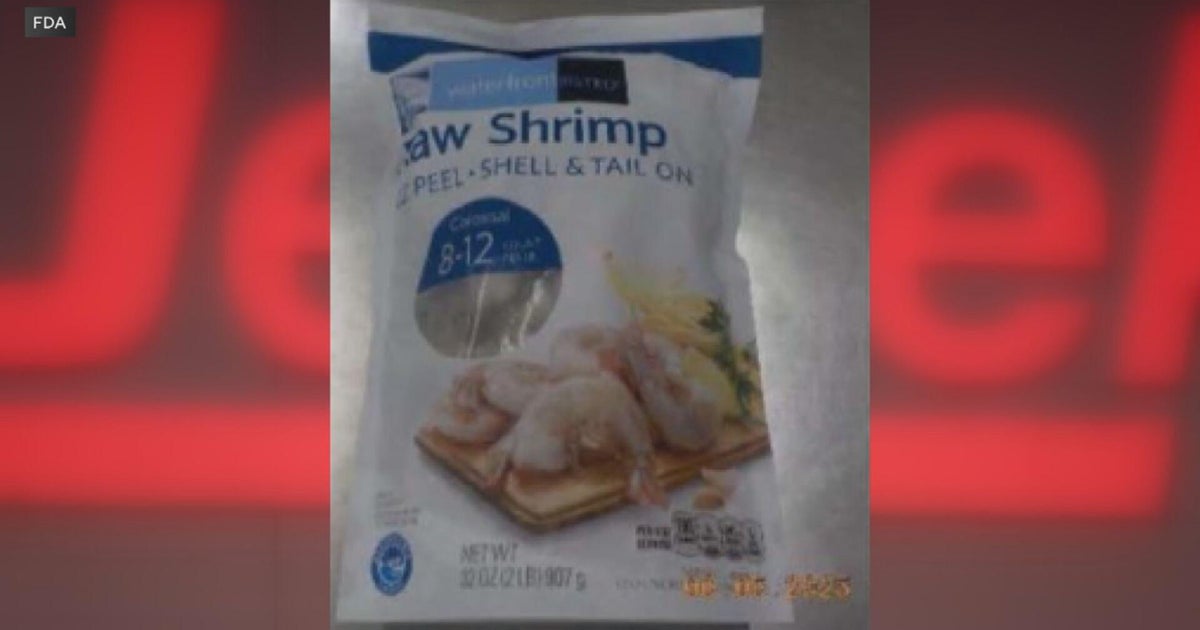
Direct Source Seafood LLC has recalled approximately 83,800 bags of frozen raw shrimp imported from Indonesia and sold under Market 32 and Waterfront Bistro (Waterfront Bistro at Jewel-Osco stores in Illinois after June 30, 2025) due to possible contamination with cesium-137, per the FDA; no illnesses have been reported. The agency warns consumers not to eat the product and to return or dispose of it; the episode, following an earlier Walmart recall of Great Value shrimp for the same contaminant, raises reputational and regulatory risk for suppliers and affected retailers but is unlikely to produce material market moves absent wider contamination or illness reports.
Market structure: The recall is a localized reputational hit concentrated in Illinois (Jewel-Osco/Albertsons stores) and echoes a prior Walmart incident, so losers are import-reliant private-label frozen-seafood suppliers and regional grocers with narrow assortments; potential winners are domestic protein producers (e.g., Tyson TSN) and broad-assortment retailers (Costco COST, Kroger KR) that can substitute inventory. Expect a short-term (days–weeks) drop in frozen-shrimp sales (-10–30% in affected stores) with modest share gains for substitutes; pricing power for domestically produced shrimp could rise if imports face tighter testing. Risk assessment: Tail risks include an FDA import alert or bilateral trade restriction on Indonesian seafood within 30–90 days, which would create multi-month supply shocks and a >5% price move in shrimp spot markets and CPI feed-through; litigation/regulatory fines could hit small suppliers severely. Hidden dependencies: cold-chain traceability, third-party packers, and insurance claims may propagate losses to non-obvious suppliers; catalysts to watch are FDA lab confirmations, state health advisories, and additional retailer recalls in the next 7–21 days. Trade implications: Tactical trades favor modest longs in domestic proteins and scaled hedges on exposed grocers: think 1–2% portfolio long in TSN or COST for 3–6 months and a 0.5–1% short (or 3-month puts) on ACI/WMT to capture reputational/traffic risk. Use pair trades (long COST, short WMT) to express share shift for 1–3 months; consider buying 3-month ATM calls on TSN (size 0.5–1% portfolio) or 2–3 month puts on ACI sized 0.5–1% to limit downside. Contrarian angles: The market will likely overreact to headline risk — the recalled volume (~83,800 bags) is small relative to national supply — so broad grocery sell-offs are likely overdone; historical food recalls (spinach, lettuce) show rebounds in 4–12 weeks once testing/traceability updates are issued. If FDA testing clears most lots or no import alert appears within 30 days, aggressively cover shorts and rotate into beaten-down regional grocers at 2–3% positions priced for deeper damage.
AI-powered research, real-time alerts, and portfolio analytics for institutional investors.
Request DemoOverall Sentiment
moderately negative
Sentiment Score
-0.30
Ticker Sentiment
