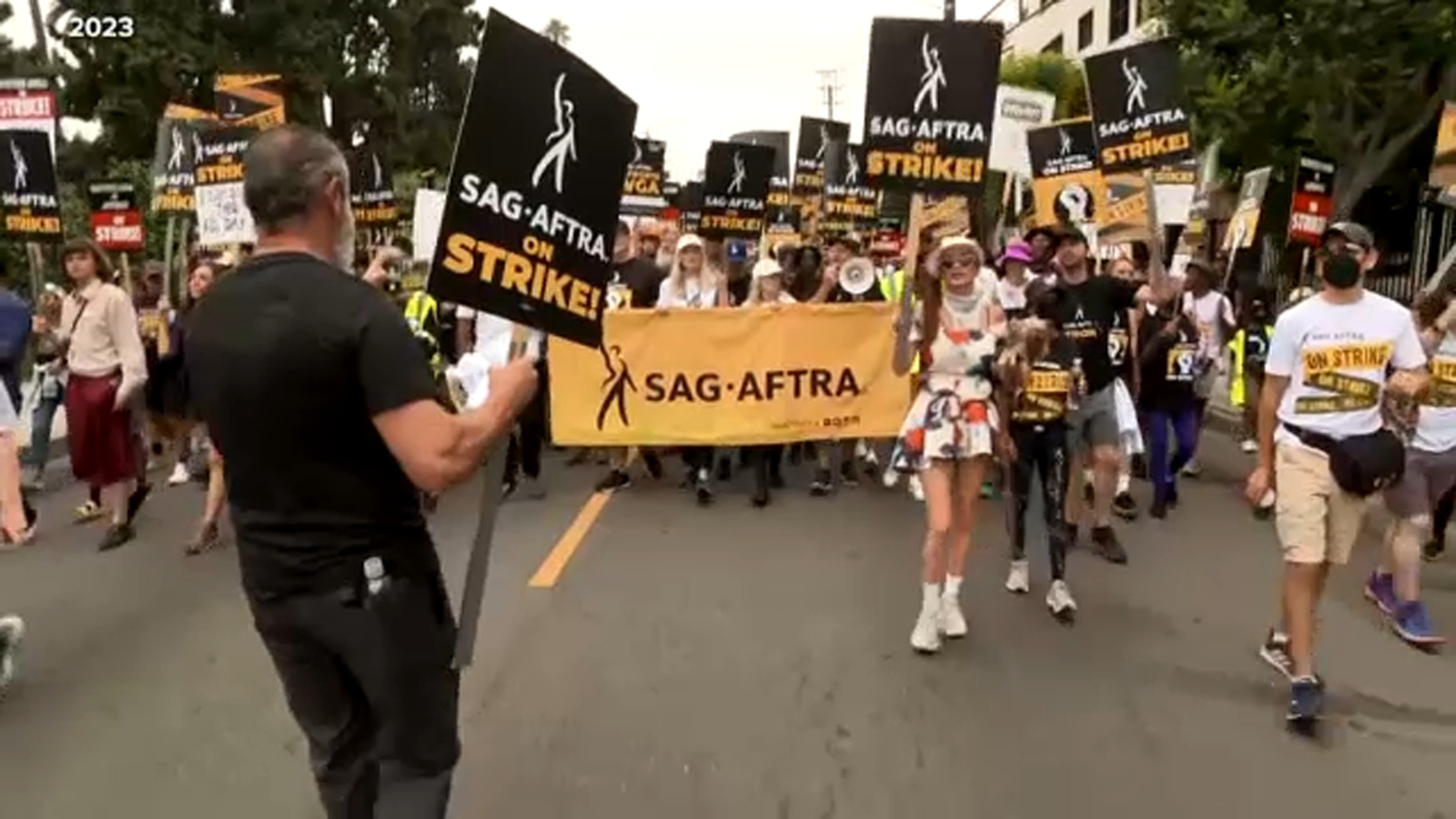
SAG-AFTRA and the AMPTP reached a tentative contract deal after negotiations that began in early February, reducing the risk of another prolonged Hollywood labor disruption. The agreement covers movies, scripted TV, streaming content and new media, but still requires approval from SAG-AFTRA's National Board. The deal follows last month's WGA ratification and includes AI protections and better pay, which were central issues in the 2023 strikes.
This is less a one-off labor headline than a reset in the production pipeline. A settlement removes a meaningful overhang on content starts, but the bigger economic effect is on the cadence of cash outflows: studios can re-accelerate spend before revenue visibility fully returns, which tends to favor balance-sheet capacity over pure content quality. In practice, the first-order beneficiaries are the integrated platforms and studios that can restart production quickly and amortize fixed overhead across a larger slate, while smaller independents remain constrained by financing costs and scheduling bottlenecks.
The second-order winner is likely the labor-adjacent ecosystem: production services, post-production, locations, and equipment rental demand should rebound with a lag of 1-2 quarters as greenlights translate into shooting days. A less obvious effect is on streaming economics: once the backlog clears, management teams may lean on fewer but higher-conviction titles, which can improve content ROI but also increase volatility in subscriber additions and ad inventory fill rates. That argues for selective exposure to companies with diversified monetization rather than pure-play content risk.
The main risk is that the market may already be pricing a clean normalization while the ratification process, implementation details, and any AI-related enforcement ambiguity still create headline risk over the next few weeks. If talent perceives loopholes in AI language or residual calculations, the next labor flashpoint could arrive within months, not years, and the current optimism would fade quickly. Another subtle risk is margin pressure: restarting production often creates a temporary surge in working capital and content spend before revenue catches up, which can compress free cash flow in the next two reporting quarters.
Contrarian view: the consensus may be overestimating how much immediate upside a deal creates for media equities. The economic benefit is likely more about removing a discount than generating a step-change in earnings, so the trade is probably better expressed in lagging suppliers and select platform names than in the broad sector. If the market starts chasing every content-restart headline, fades into strength may offer better risk/reward than outright longs in the highest-beta streaming names.
AI-powered research, real-time alerts, and portfolio analytics for institutional investors.
Request DemoOverall Sentiment
mildly positive
Sentiment Score
0.15
