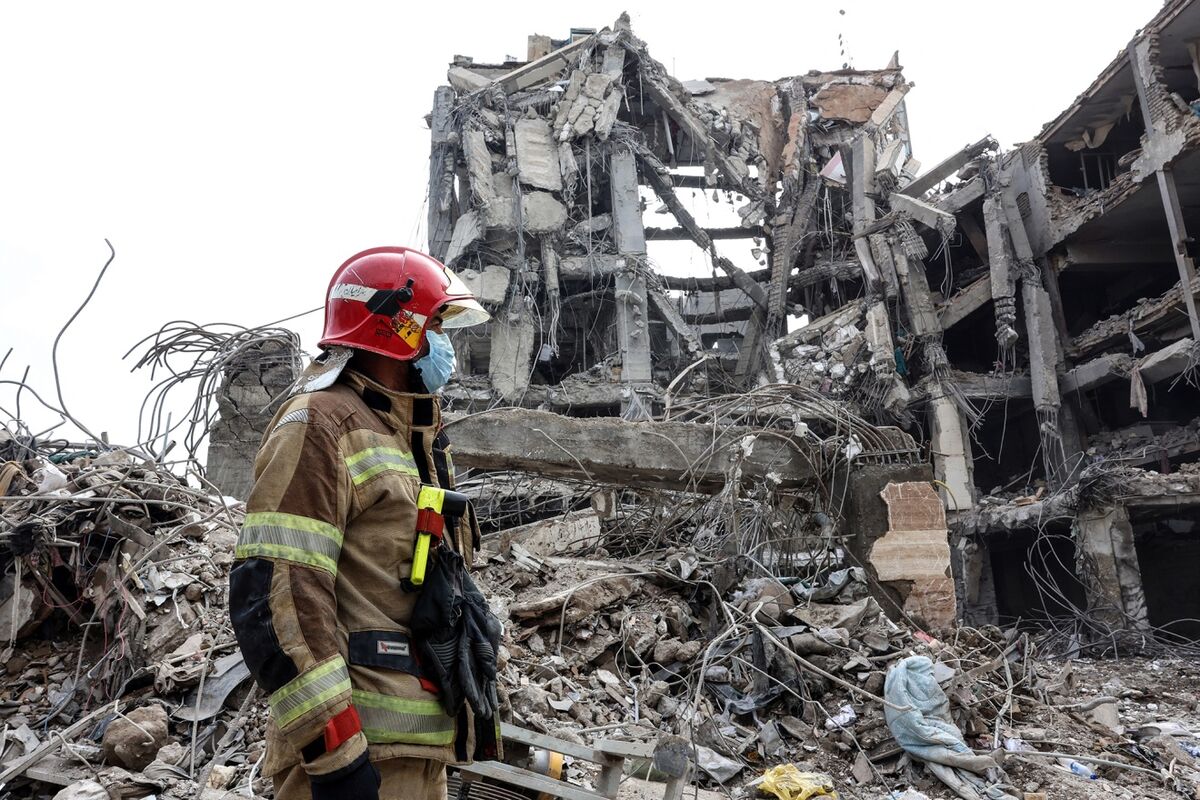
19 days into the conflict, Defense Secretary Pete Hegseth pushed back against claims the US war with Iran is turning into a "forever war" or "quagmire." Iranian attacks on energy infrastructure have already lifted energy prices, increasing sector risk and the geopolitical risk premium. Monitor energy-sector volatility and potential spillovers to broader markets if attacks or retaliation escalate further.
The immediate market lever is supply-path fragility rather than barrel aggregates: attacks and countermeasures raise marginal delivery costs (insurance, rerouting, laycan delays) that can add the economic equivalent of $2–$10/bbl to landed prices for weeks to months depending on route diversion. That amplification is non-linear — a 10% physical flow loss through a chokepoint historically translates into a 15–40% realized price move for nearby benchmarks because of front-month tightness and rolling curve dynamics. Expect headline-driven intraday vol spikes to persist while players reprice tail risk.
Second-order winners are those that capture widening spreads and insurance premia (tanker owners, shorter-haul producers, midstream with contracted tolling), while large integrated refiners with global crude purchasing suffer margin compression when light/heavy differentials swing. LNG and diesel markets are structurally tighter into the northern hemisphere spring maintenance season; constraints there can transmit into power and industrial inflation with a 1–3 month lag. Shipping and logistics providers will see billable-rate upside that is sticky until physical security normalizes.
Policy and escalation paths create asymmetric timing: diplomatic de-escalation or SPR releases can shave $5–$15 from peaks inside 30–90 days; conversely, a broader Iranian campaign or strikes on chokepoint infrastructure could push dislocations into multi-quarter territory and force permanent rerouting capital expenditure. That bifurcation makes option-based strategies and capital-light exposures preferable to naked directional carry for most portfolios.
Investor positioning should therefore differentiate between immediate convexity (short-dated options, tanker/short-haul alpha) and longer-duration structural winners (midstream take-or-pay, defense primes) while keeping explicit stop-and-reassess triggers tied to concrete catalysts (SPR draw, OPEC moves, maritime insurance notices) on a 30/90/365 day cadence.
AI-powered research, real-time alerts, and portfolio analytics for institutional investors.
Request DemoOverall Sentiment
neutral
Sentiment Score
0.00
