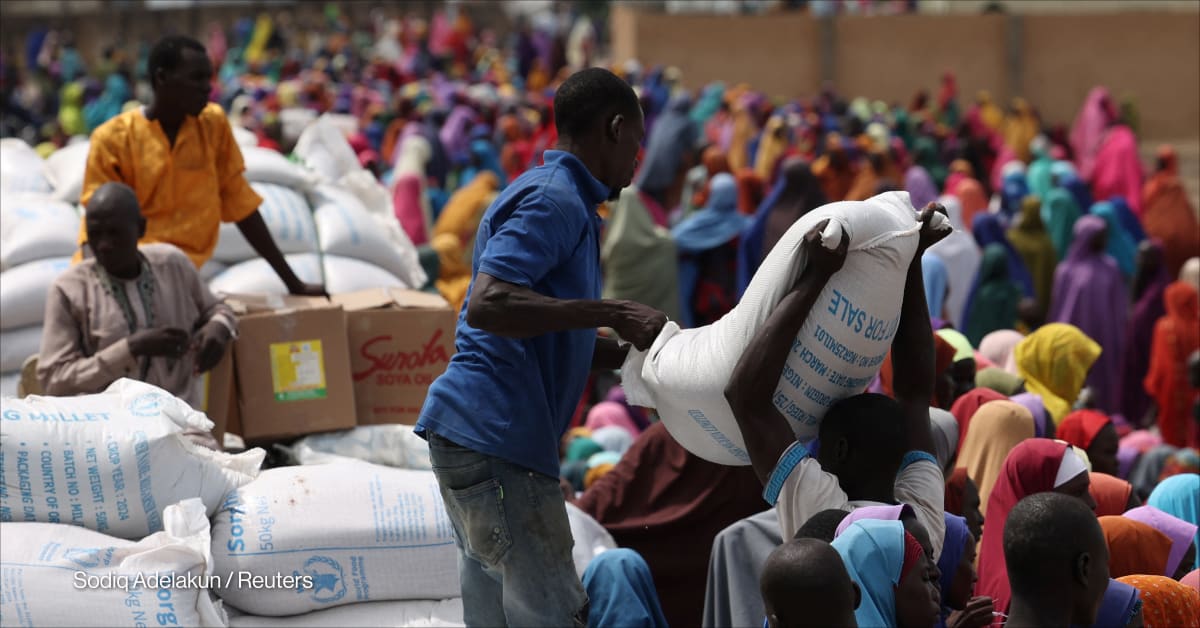
The Trump administration is preparing a global 'Trade Over Aid' initiative later this month that would seek to reduce the obligation of high-income countries to spend tens of billions of dollars annually on foreign aid. The U.S. Mission to the U.N. has circulated a declaration of principles and is inviting member states to join a Trade Over Aid Caucus. The proposal could affect development-policy priorities and diplomatic alignment, but the article is primarily about policy positioning rather than immediate market-moving action.
The market implication is less about direct aid budgets and more about a potential reordering of political capital: if richer countries are pressured to substitute trade access, procurement preferences, and export-credit support for grants, the immediate winners are firms with low-friction access to emerging-market demand rather than classic NGO-adjacent contractors. That shifts marginal support toward infrastructure, logistics, telecom, payments, and commodity-linked exporters that can monetize activity without relying on sovereign transfer budgets. It also raises the odds that some development flows become more conditional and commercialized, which can compress margins for businesses built around aid-financed projects.
Second-order, this is mildly bearish for sovereigns and multilateral institutions that depend on stable donor behavior, because a “trade over aid” framing encourages recipient governments to seek near-term GDP optics over long-horizon institution building. In practice, that can mean more import liberalization, more concessions to foreign investors, and a larger role for export-credit agencies over grants. The bridge period is messy: months of rhetoric can create volatility in EM local assets, but actual budget reallocation is a multi-year process and likely uneven across countries and ministries.
The main contrarian point is that aid cuts are often overestimated as a near-term fiscal lever and underestimated as a diplomatic signal. If this becomes mostly messaging, the tradeable impact may be less on direct beneficiaries and more on sentiment toward U.S. soft-power risk assets, especially frontier sovereign spreads and contractors exposed to grant-funded programs. The catalyst to watch is whether other donors match the posture; if not, the market will treat this as rhetoric, and any initial EM selloff should fade quickly.
AI-powered research, real-time alerts, and portfolio analytics for institutional investors.
Request TrialOverall Sentiment
neutral
Sentiment Score
-0.10
