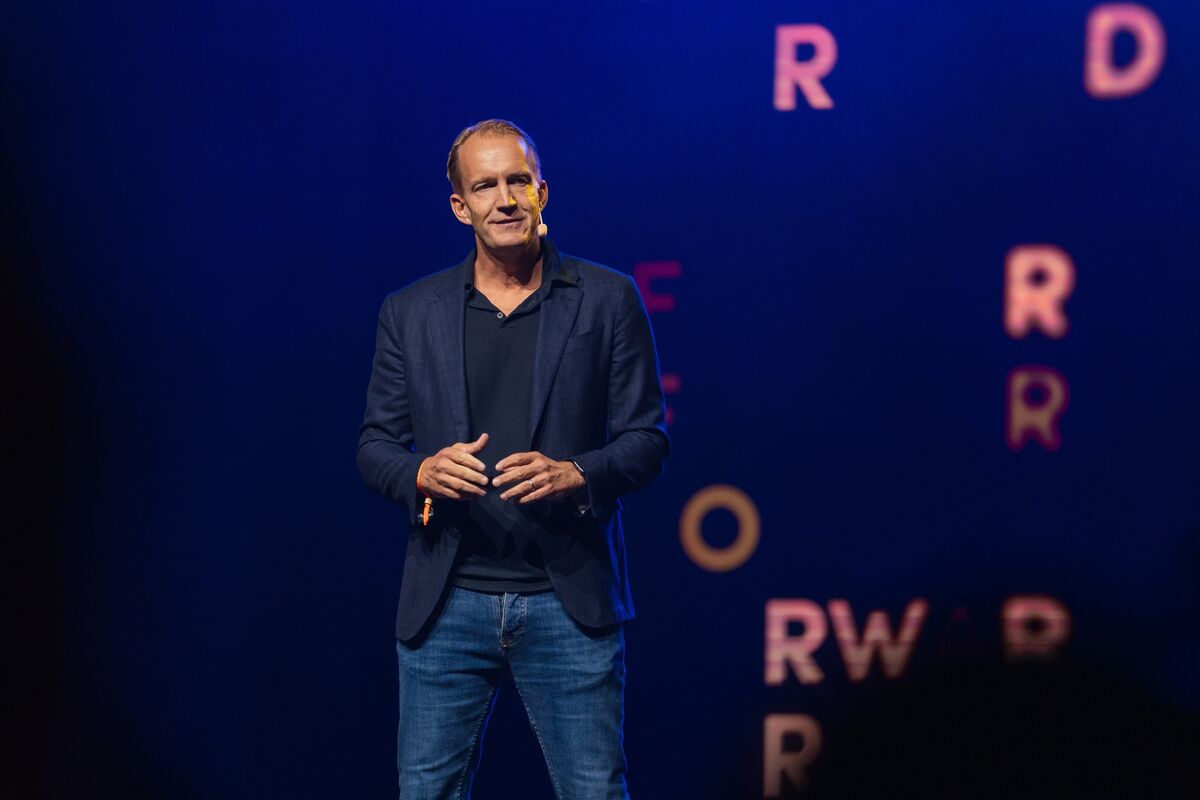
EQT executives have been fielding calls from institutional clients after CEO Per Franzen said the firm may start charging investors to participate in select co‑investment deals, framing those co‑investments as a potential new revenue source from private wealth and retail clients. The public remark prompted investor concern and prompted outreach from management to calm anxieties — a reputational and relationship risk that could influence limited partners' appetite for future co‑investments and fee transparency in private markets.
Market structure: EQT’s public openness to charging co-investment fees shifts value capture from LP-return enhancement to GP revenue — winners include firms with retail/private-wealth distribution capabilities and fee-aggregation platforms; losers are institutional LPs and smaller GPs competing on free co-invest access. Expect modest re-pricing of co-invest economics (10–50 bps fee on co-invest pools) and a short-term hit to EQT’s secondary fundraising and deal-sourcing if uptake falls by >20% versus prior vintages.
Risk assessment: Near-term (days–weeks) the biggest risks are reputational flight and softening allocations; medium-term (3–12 months) regulatory scrutiny in EU/Sweden or formal LP pushback could force reversals or fines — model a 100–300 bps widening in EQT credit spreads under a material regulatory outcome. Hidden dependencies include distribution contracts with private-wealth channels and existing co-invest pipeline economics; catalysts to accelerate impact are an EQT confirmation of fee pilots, a major institutional client withdrawal, or an EU supervisory inquiry within 30–90 days.
Trade implications: Direct tactical trade is asymmetric: small short in EQT (ticker: EQT) size 2–3% of equity book via 3-month put spread (buy 0–10% OTM, sell 20–30% OTM) to cap cost while capturing a 10–25% downside move. Relative-value: pair short EQT / long BX (Blackstone, ticker: BX) 1:1 to isolate private-equity–specific sentiment risk; rotate 2–4% from niche PE ETFs into large-cap alternative managers and liquidity (cash/IG) for 1–3 months.
Contrarian angles: Consensus assumes fee monetization is large and permanent; it may be capped — if fees are modest (20–50 bps) and optional, long-term AUM growth and IRRs may be unchanged and the market could oversell EQT by 10–20% on headline fear. Historical parallels (GPs monetizing distribution) show reversal after clarifying policy; set stop-loss at 8% and a take-profit if EQT underperforms BX by >15% over 3 months, because unintended consequence could be improved GP economics and higher disclosed reserves for new deals.
AI-powered research, real-time alerts, and portfolio analytics for institutional investors.
Request DemoOverall Sentiment
mildly negative
Sentiment Score
-0.25
Ticker Sentiment
