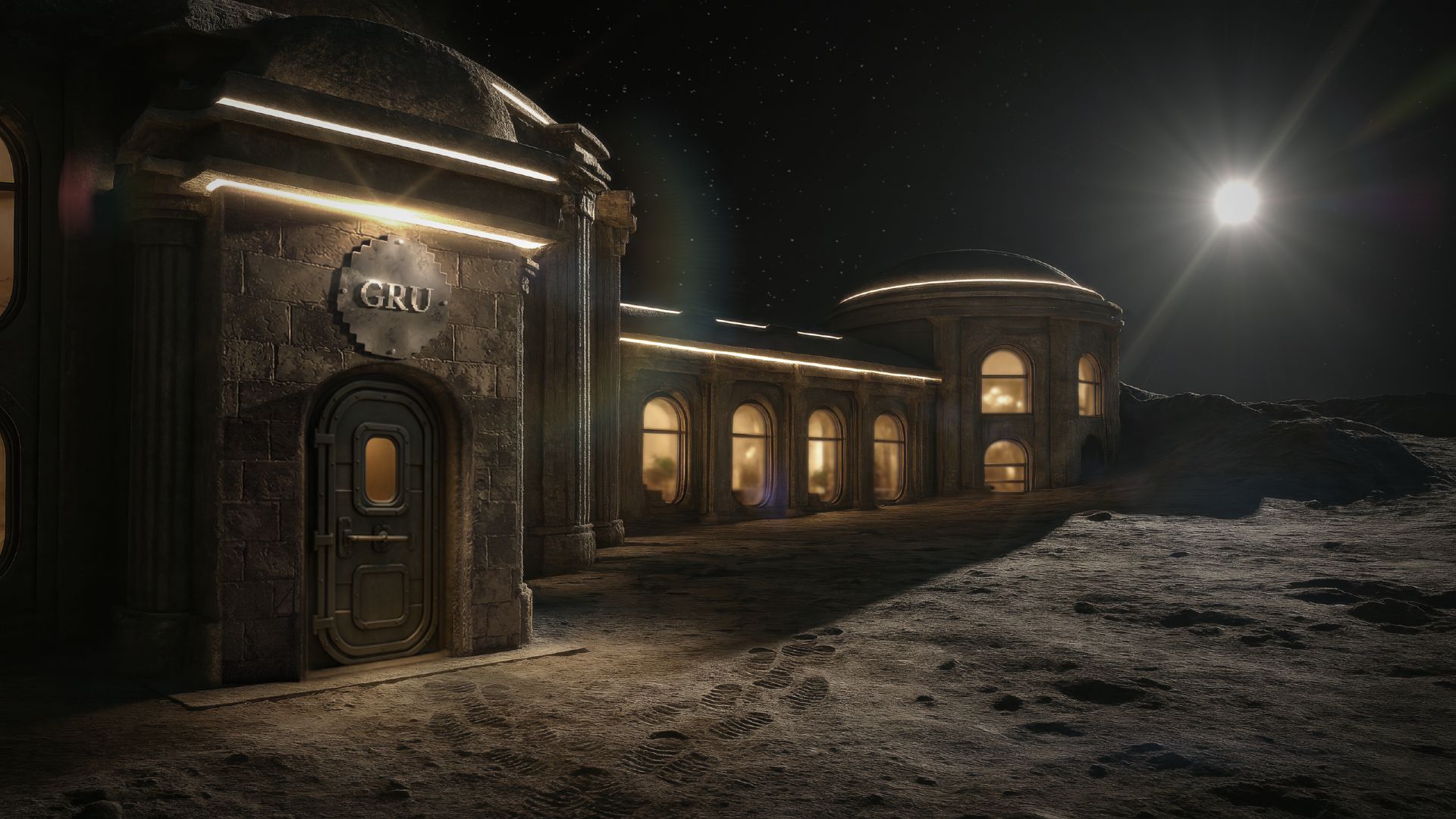
Galactic Resource Utilization Space (GRU), a California start-up founded by Skyler Chan, launched bookings for a planned lunar hotel requiring $1,000,000 deposits and unveiled designs for a purportedly permanent off‑Earth structure; construction is slated to begin in 2029 with an opening target of 2032, subject to regulatory approval. Backed by investors connected to SpaceX and Anduril and incubated in Y Combinator, GRU plans to use proprietary habitation modules and in‑situ lunar soil processing; the project is strategically notable for private-space infrastructure and ultra‑high‑net‑worth travel demand but remains highly speculative with negligible near‑term public market impact.
Market structure: The $1M deposit and 2029–2032 timeline signal a premium, ultra-high-net-worth (UHNW) demand niche rather than mass tourism; near-term winners are launch/robotics/autonomy suppliers and prime defense contractors bidding for lunar infrastructure (Lockheed LMT, RTX, BA) while legacy hospitality and mainstream airlines see negligible direct impact. Pricing power will concentrate with vertically integrated contractors and IP owners (3D-regolith construction, autonomous heavy machinery), creating high-margin government+commercial hybrid revenue streams over 3–7 years.
Risk assessment: Tail risks include regulatory blocks (ITAR/export, lunar property law), catastrophic test failures, or capital exhaustion — any of which can wipe out equity in early-stage providers; probability low-medium but impact >70% valuation loss for startups. Immediate market effects are limited; expect speculative spikes in space-themed equities in weeks/months, with material contract flows and bond issuance only visible over 2–5 years.
Trade implications: Favor thematic exposure via ETFs (ARKX, UFO) and selected contractors: small, staged allocations (1–3%) to RKLB (launch/rocket engines) and LMT/RTX (systems/integration). Use option structures (12–24 month call spreads on RKLB or ARKX) to control cost; consider tactical short exposure to retail-exposed names (SPCE) via puts if hype-driven repricing >30% above 90-day moving average.
Contrarian angles: Consensus glamorizes consumer lunar tourism; the overlooked value pool is robotics, materials processing, and insurance/liaison services where margins and recurring revenue live. History (early aviation) shows military/government contracting dominates capital deployment — position toward primes and suppliers, cap single-name startup risk to <2% of equity risk budget.
AI-powered research, real-time alerts, and portfolio analytics for institutional investors.
Request DemoOverall Sentiment
mildly positive
Sentiment Score
0.25
