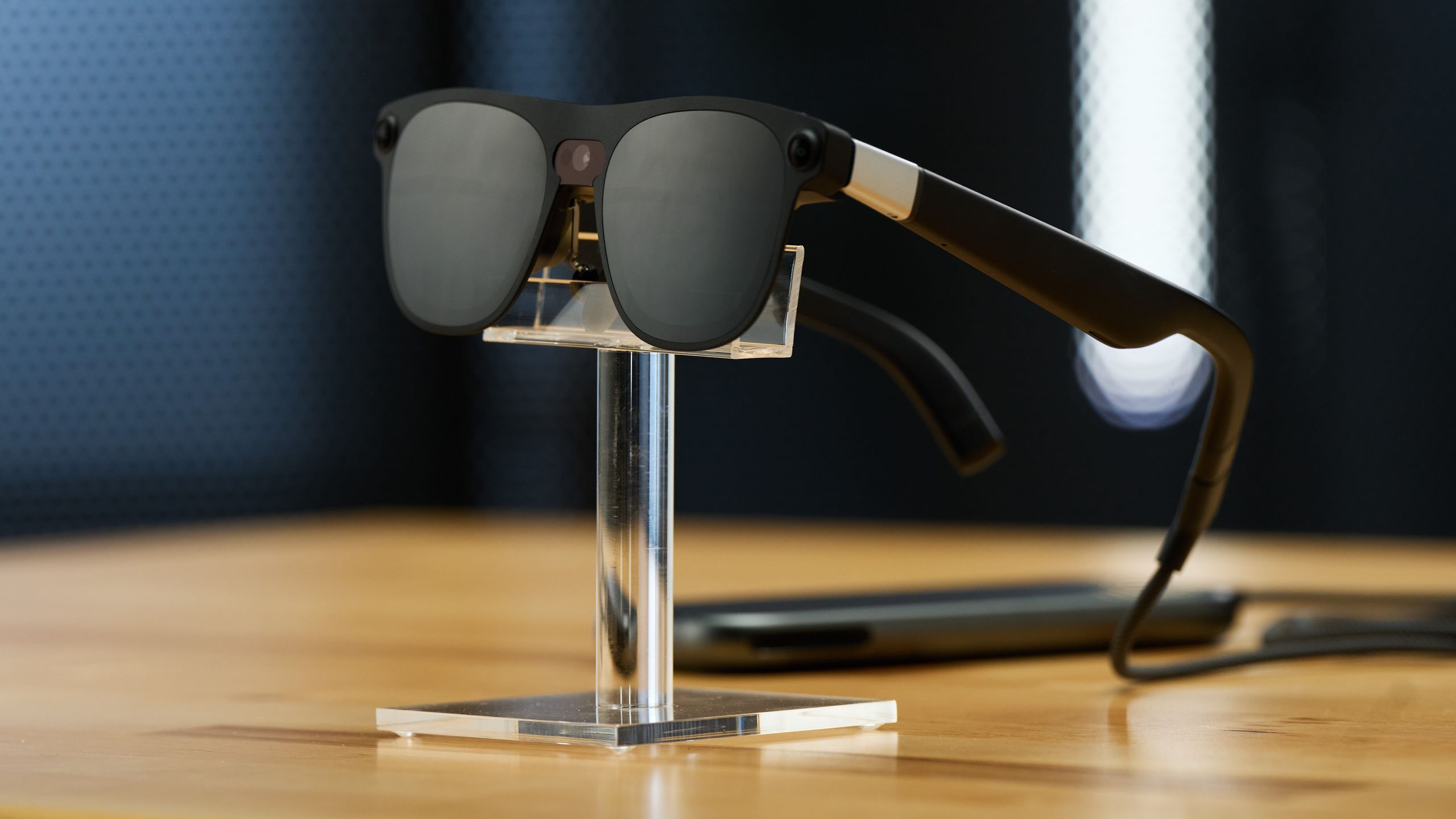
Xreal's Project Aura, powered by Google’s Android XR, is positioned to debut in 2026 as a lightweight AR/VR glasses product that the author expects to undercut Samsung’s Galaxy XR on price and accelerate consumer adoption of smart-glass form factors. Concurrently, Valve’s Steam Frame — a Snapdragon-powered standalone headset capable of running Windows VR titles via software translation — is slated for early 2026, creating a viable alternative to Meta’s Quest line; Meta is reportedly reorganizing and refocusing Reality Labs toward lighter hardware (Quest 4). Together these product launches portend a significant competitive realignment in XR hardware and content distribution that could reshape market share among Meta, Google/Xreal, Valve and hardware partners.
Market Structure: The 2026 debut of lightweight Android XR glasses (Xreal/Google) and Valve's Snapdragon-powered Steam Frame bifurcate XR into low-friction daily-wear AR and standalone VR gaming consoles. Winners: Snapdragon SoC suppliers (Qualcomm/QCOM), Android ecosystem partners, and app/content platforms that monetize attention; losers: premium headsets anchored to PC GPUs (NVIDIA/NVDA exposure to PC-VR could slip) and high-priced premium AR incumbents (Apple/AAPL may face share pressure in premium XR). Expect device shipments to accelerate in 2026 versus 2025 (roughly +30–50% YoY in addressable consumer XR units), compressing ASPs for bulky headsets but expanding accessory and content revenues.
Risk Assessment: Tail risks include regulatory actions (EU/US antitrust on Android bundling within 6–12 months), supply-chain shocks for microdisplays/OLEDs, or software/platform fragmentation that stalls consumer adoption. Near-term (days–weeks) volatility will center on product reveals and developer support announcements; medium-term (3–12 months) on holiday sales and supply constraints; long-term (2–4 years) on Meta’s Quest 4 response and ecosystem lock-in. Hidden dependency: app/content monetization (stores, ads, subscriptions) will determine platform economics more than hardware margins.
Trade Implications: Direct plays: establish asymmetric exposure to QCOM (beneficiary of Snapdragon demand) and selective long on META (META) at 1–3% position sizing to capture ad/engagement upside, while trimming AAPL hardware cyclicality exposure by 1–2%. Use 9–15 month call spreads on QCOM to limit premium outlay; consider selling short-dated call overwrites on META to monetize near-term volatility if price spikes on product news. Pair trade: long QCOM vs short AAPL (size 1.5:1) to express Android XR share gain vs premium Apple XR downside.
Contrarian Angles: Consensus prizes Meta’s incumbency; that underestimates Google/Android’s distribution leverage and low-cost form-factor advantage — adoption could be front-loaded in 2H26. Risk of overdoing Android XR hype exists: if developer support lags, hardware could commoditize quickly and margins collapse, favoring platform-fee takers over OEMs. Historical parallel: smartphone OS wars — early low-cost Android wins led to vast share gains but thin OEM margins; expect similar dynamics that favor software/platform owners and SoC vendors over hardware OEMs.
AI-powered research, real-time alerts, and portfolio analytics for institutional investors.
Request DemoOverall Sentiment
moderately positive
Sentiment Score
0.45
Ticker Sentiment
