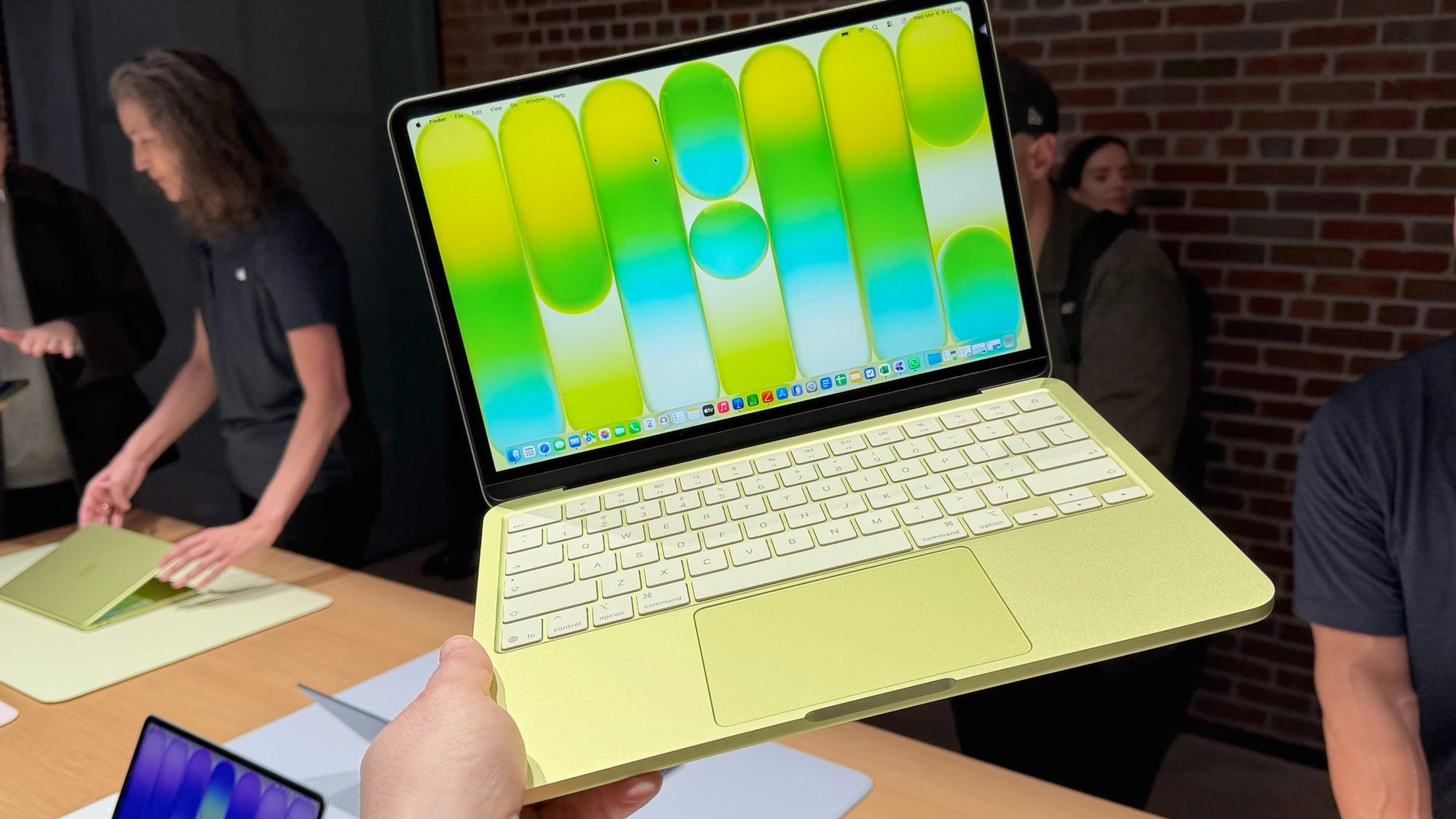
Apple launched the MacBook Neo at $599 (base) — 13-inch Liquid Retina (2408 x 1506), A18 Pro chipset, 8GB RAM, 256GB SSD and 1080p FaceTime camera; a $699 $100 upgrade adds Touch ID and 512GB. Analysts view the Neo as a potentially disruptive, high-value entrant in the sub-$600 laptop segment amid a RAM-driven supply/price squeeze, with IDC projecting roughly ~1% global notebook share gain for Apple in 2026 and possible modest cannibalization of the MacBook Air (Air priced at $1,099).
Apple has executed a price-anchoring move that forces immediate trade-offs across the Windows OEM ecosystem: with constrained memory costs, rivals face a three-way choice—raise retail prices, accept materially worse bill-of-materials, or compress industrial design quality. That triage amplifies margin pressure for Dell and HP (consumer notebooks) and creates a runway for Apple to harvest high-margin services and accessories from incremental switchers, turning an inexpensive SKU into a long-term revenue-accretion engine.
Second-order supply-chain effects are subtle but real. ODMs and tier-1 suppliers will see orderbook rebalancing as demand shifts toward premium-feeling low-cost hardware; memory suppliers may get short-term relief in pricing power but could also accelerate OEMs’ pivot to lower-memory BOMs or alternative SoC architectures (phone silicon repurposing). This dynamic creates optionality for chipset suppliers who can deliver laptop-optimized mobile silicon and for component vendors that supply aluminum and display panels.
Timing and risks: expect a near-term retail acceleration (weeks–quarters) as marketing and holiday seasonality compound the offer, with medium-term market-share erosion for budget Windows SKUs over 3–18 months, and platform stickiness materializing over multiple years via services monetization. Reversals come from rapid RAM price normalization, a failed supply ramp at Apple, faster-than-expected OEM adoption of comparable phone SoCs, or enterprise procurement remaining Windows-centric.
Regulatory and competitive countermeasures can mute the upside: deeper enterprise channel defend plays by HP/Dell or aggressive carrier/retailer subsidies could blunt consumer share shifts. Monitor sell-through, inventory days at major retailers, and first-party Apple attach rates for services—those datapoints will determine whether this is a tactical hit or a structural share-shift.
AI-powered research, real-time alerts, and portfolio analytics for institutional investors.
Request DemoOverall Sentiment
strongly positive
Sentiment Score
0.60
Ticker Sentiment
