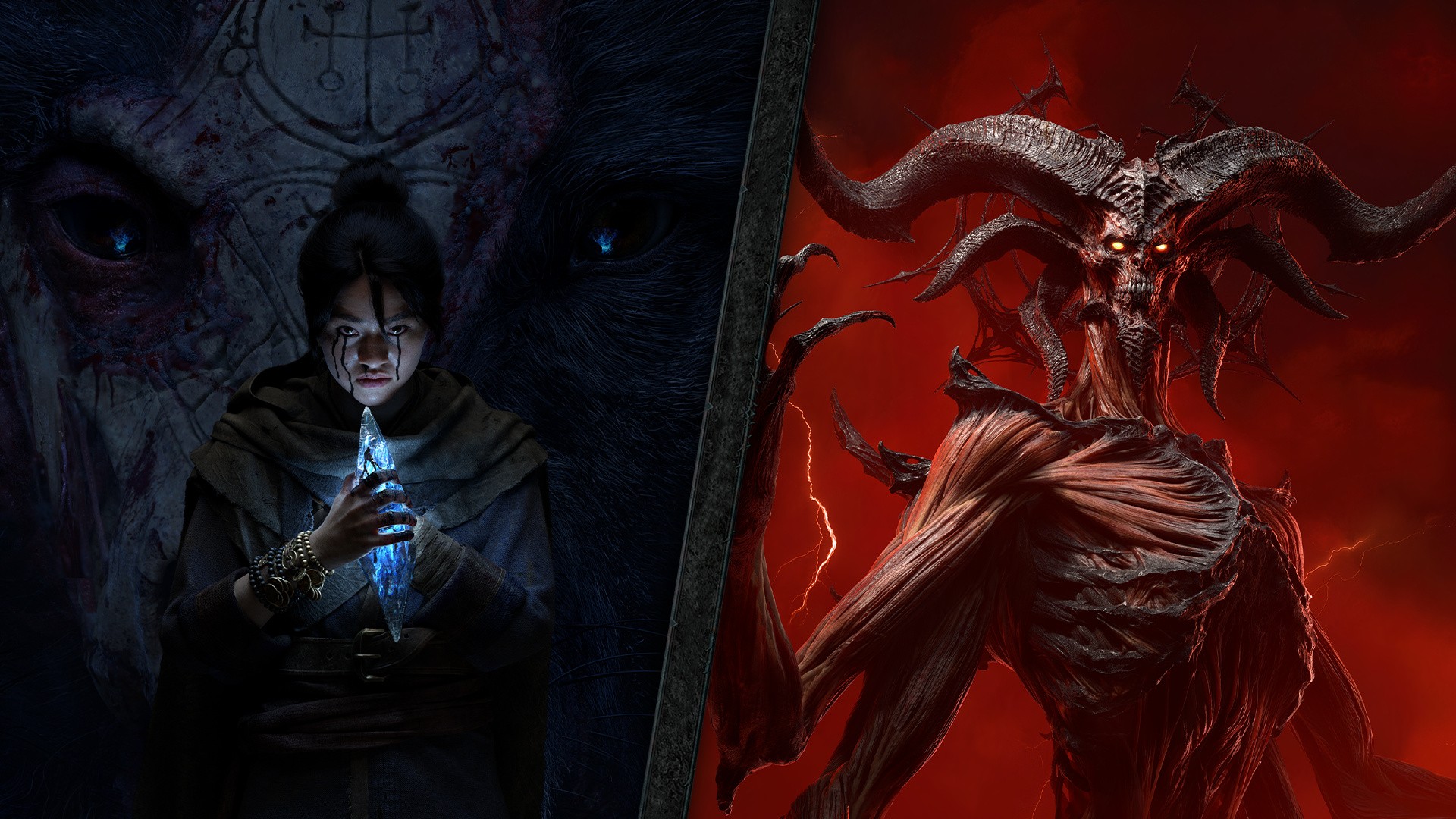
Blizzard Entertainment, now part of Microsoft Gaming, is signaling an aggressive slate for 2026—calling it potentially the studio's "biggest year yet" and preparing major updates and launches across its franchises ahead of BlizzCon 2026 (Sept. 12–13). CEO Johanna Faries states the company is investing in and modernizing its IP as Blizzard and Xbox approach milestone anniversaries in 2026, suggesting a coordinated product and marketing push that could lift engagement and monetization, though concrete financial impacts and timing remain unspecified.
Market structure: Microsoft (MSFT) is the clear winner — Blizzard IP refreshes plus Xbox’s 2026 slate increase MSFT’s recurring-revenue optionality (Game Pass ARPU + subs) and cloud/content synergies, likely adding 2–5% to gaming revenue CAGR if even 2–4 major releases monetize well in 2026. Smaller pure-play publishers and single-franchise studios face share erosion and pricing pressure as MSFT bundles AAA titles, compressing competitor monetization and marketing ROI over 12–24 months. Cross-asset: equity upside concentrated in MSFT; negligible commodity impact; modest tightening in equity-implied CDS for MSFT and potential USD strength on risk-on flows around major reveals.
Risk assessment: Key tail risks are 1) development delays or cancellations (10–25% chance per title) causing a 5–15% gaming-revenue reforecast shock, 2) regulatory scrutiny on bundling/subscription practices (low-medium probability but high impact), and 3) integration/talent attrition at Blizzard. Short-term (days–months) effects will be sentiment-driven ahead of BlizzCon (Sep 12–13, 2026); long-term (2026+) depends on monetization and Game Pass economics (LTV/CAC). Hidden dependency: Azure marginal costs vs incremental streaming revenue could compress margins if cloud spend scales faster than subscriptions.
Trade implications: Favor long MSFT exposure with option-leverage around major 2026 milestones (BlizzCon, Xbox anniversary) and reduce mid-cap dev exposure. Consider pair trades long MSFT vs short EA (EA) or select mid-cap studios to capture share rotation; expect 6–18 month realization. Entry: scale in now, add into Feb–Mar 2026 on clearer release windows; trim materially within 5 trading days if BlizzCon signals widespread delays.
Contrarian angles: Consensus overweights “hype = revenue”; market may underprice integration costs and diluted margins from heavy IP investment — a miss could create a 10–20% downside re-rating for the gaming segment. Historical parallel: big content cycles (e.g., post-acquisition investment periods) show 6–12 month volatility before revenue recognition; be ready to fade knee-jerk rallies if pre-sales/subscriber metrics don’t confirm demand. Unintended consequence: aggressive bundling could draw antitrust attention, slowing rollout and monetization.
AI-powered research, real-time alerts, and portfolio analytics for institutional investors.
Request DemoOverall Sentiment
mildly positive
Sentiment Score
0.35
Ticker Sentiment
