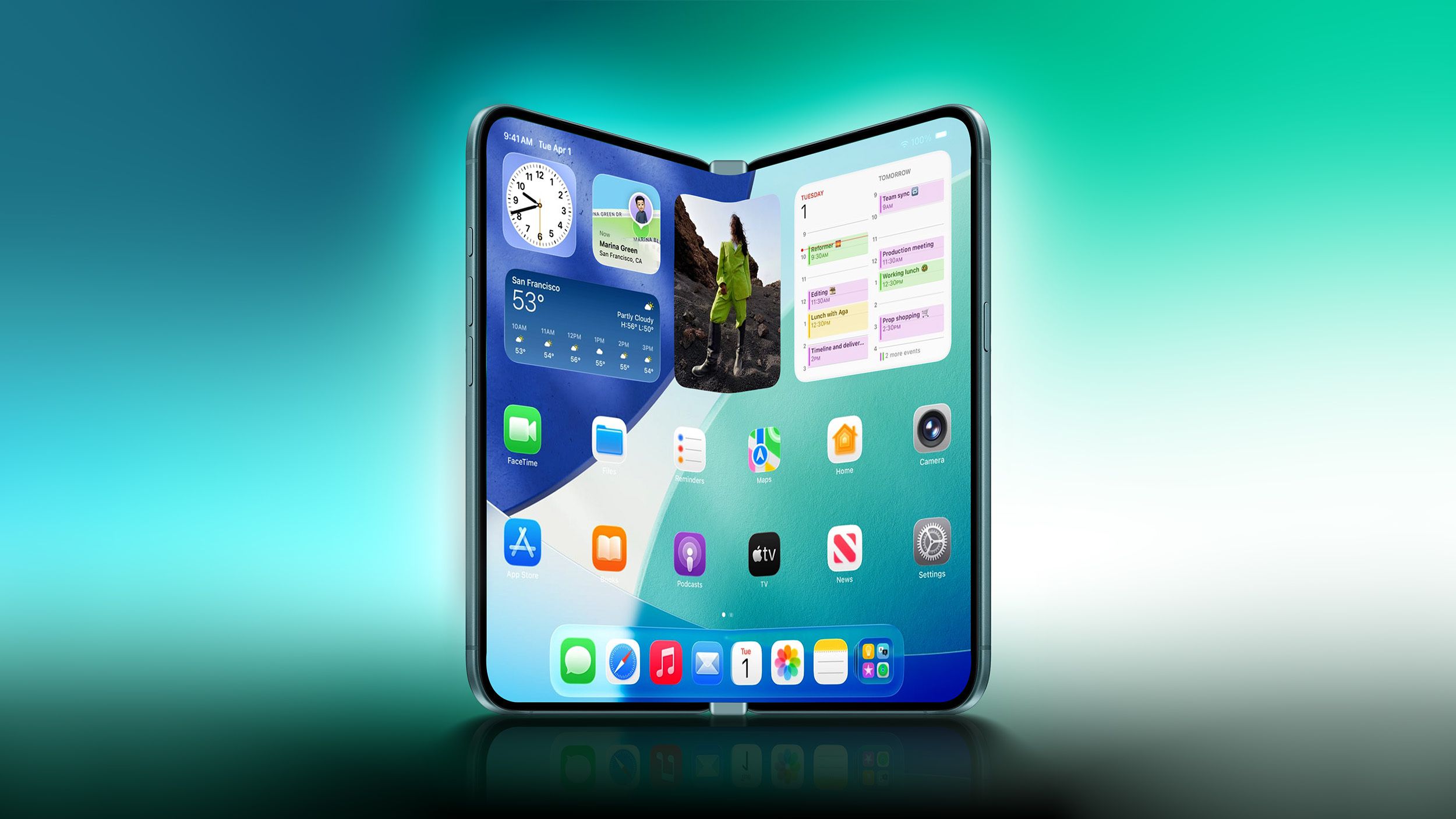
Apple's first foldable iPhone, likely called the iPhone Ultra, is expected to launch in September 2026 with only two color options, including white/silver and an indigo or Deep Blue-like finish. The restrained palette appears tied to production constraints, with Ming-Chi Kuo warning that yield and ramp-up issues could keep shipments tight through at least end-2026 and possibly not normalize until 2027. At a starting price expected to exceed $2,000, the limited color lineup is unlikely to materially affect demand, making this primarily a product-launch and supply-chain update rather than a major market-moving event.
The real signal here is not the color palette; it is the implication that Apple is managing the launch like a constrained, halo-tier industrial program rather than a mainstream consumer rollout. That typically means the first-order economics are less about unit growth and more about preserving brand premium, yield discipline, and channel control, which tends to favor gross margin integrity over early revenue contribution. For AAPL, the launch is therefore more of a narrative catalyst than a near-term earnings driver.
Second-order, a narrow SKU set reduces operational friction at a time when assembly complexity is already likely to be the binding constraint. Fewer finishes means fewer inventory mismatches, fewer packaging/logistics permutations, and less exposure to color-specific demand skew that can force markdowns elsewhere in the lineup. The tradeoff is that Apple is implicitly signaling low launch elasticity: if a product priced above the ultra-premium tier needs color variety to stimulate demand, that would be a red flag; Apple is betting the opposite.
The bigger market issue is timing. If ramp risk and shortages persist through 2026, the stock reaction to the announcement may be front-loaded and then fade as investors realize the device will not move FY27 numbers meaningfully until supply stabilizes. The most underappreciated upside for Apple suppliers is not the foldable itself, but the incremental pull-through on high-spec display, hinge, precision machining, and assembly test equipment vendors if Apple uses the program to establish a new manufacturing architecture that later expands to a broader product family.
Contrarian view: the market may be over-indexing on the consumer appeal of a foldable and underpricing the possibility that Apple is treating this as a proof-of-concept product with intentionally limited volume. If so, the launch could disappoint relative to hype even if it is strategically important; in that case, AAPL can still work, but the asymmetric opportunity may sit in supply-chain enablers and rivals forced to defend premium pricing rather than in the handset itself.
AI-powered research, real-time alerts, and portfolio analytics for institutional investors.
Request DemoOverall Sentiment
neutral
Sentiment Score
-0.05
Ticker Sentiment
