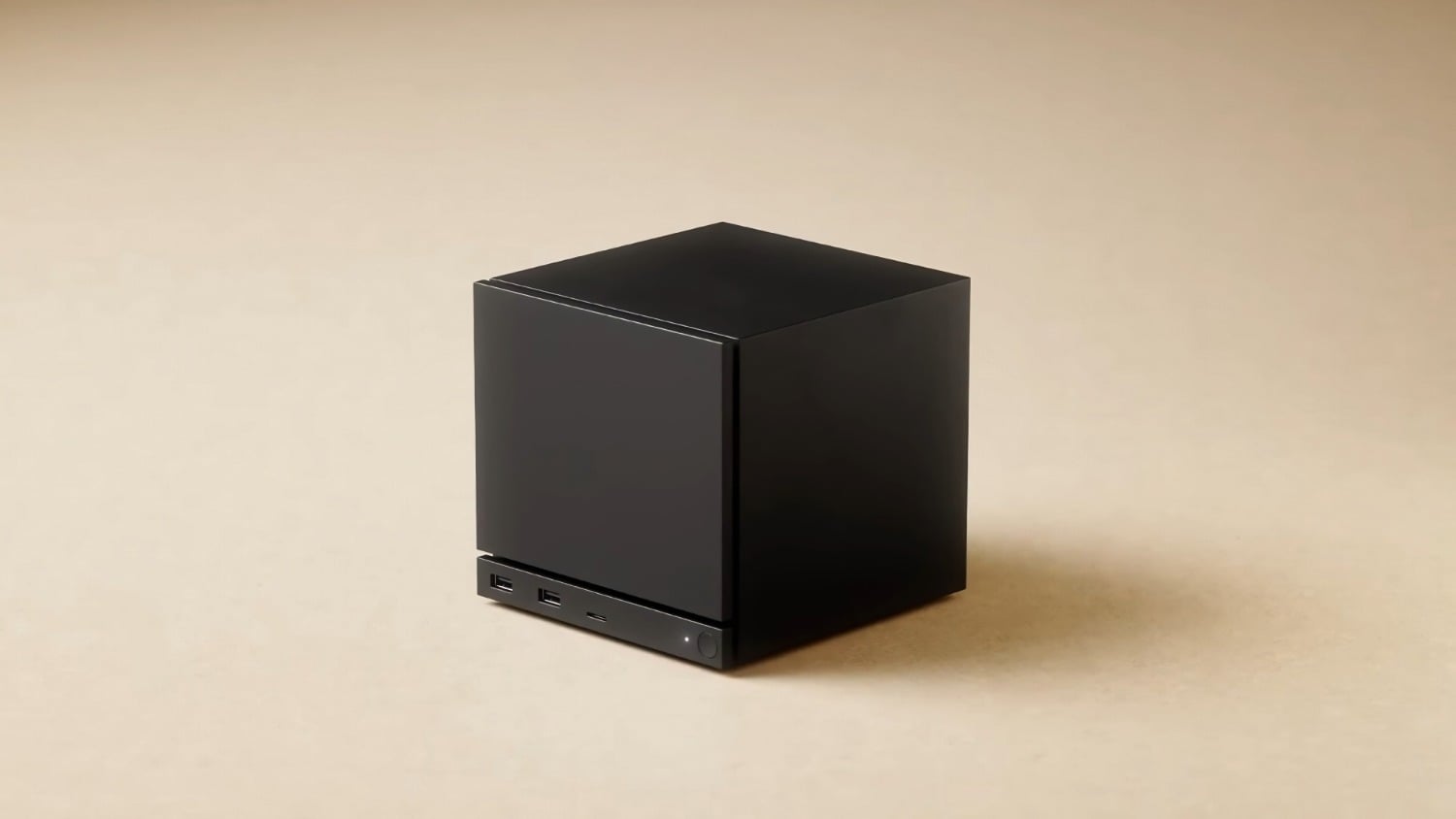
Valve says its Steam Machine and Steam Frame headset are still planned for 2026, but the launch is being pressured by a memory and storage price spike that has delayed pricing confirmation. Valve is debating whether to take a loss on the Steam Machine in the short term, with leaked Steam Controller pricing of $100 suggesting the final system price could be higher than expected. The product will ship in 512GB and 1TB versions, but availability and pricing remain TBC.
This looks more like a margin-management event than a pure product-delay story. If Valve truly has to absorb higher memory/storage costs, the first-order loser is not just the console-like box itself but the broader “cheap PC gaming” thesis that depends on aggressive hardware pricing to expand the addressable market; that dynamic matters because the upside case for AMD is usually framed through unit share and design-win momentum, while the downside is that a subscale OEM can delay purchases, not eliminate them. The longer the pricing decision drags, the more it suggests Valve is stress-testing demand elasticity in a market where consumers have already become accustomed to waiting for discounts, which is a subtle negative for near-term conversion across the low-to-mid-tier gaming PC ecosystem.
For AMD, the immediate read-through is mixed: a launch delay or weaker launch pricing can reduce near-term visibility for embedded console-adjacent demand, but the bigger issue is that the product’s value proposition depends on a highly competitive bill of materials. If Valve is forced to preserve margin by raising ASPs, the device risks getting priced into the same part of the market where Windows-based mini PCs and entry-level prebuilts already compete on spec sheet metrics, which caps the halo effect for AMD’s gaming narrative. That said, a loss-leader launch can still create a multi-quarter channel effect if the box gains traction, so the real risk is not one missed quarter but a slower-than-expected ecosystem ramp into 2027.
The contrarian view is that the market may be overestimating how punitive this is for the supplier chain. A delayed launch can actually improve sell-through if Valve waits for component pricing to normalize, and the most durable winners may be software and platform monetization rather than the hardware maker itself; in other words, the bear case on the device can coexist with a constructive view on Steam ecosystem engagement. The key catalyst to watch is pricing disclosure: if the final number implies either a meaningful subsidy or a surprisingly high retail price, that tells you whether Valve is optimizing for installed base growth or gross margin protection, and those lead to very different revenue trajectories over the next 6-12 months.
AI-powered research, real-time alerts, and portfolio analytics for institutional investors.
Request DemoOverall Sentiment
mildly negative
Sentiment Score
-0.15
Ticker Sentiment
