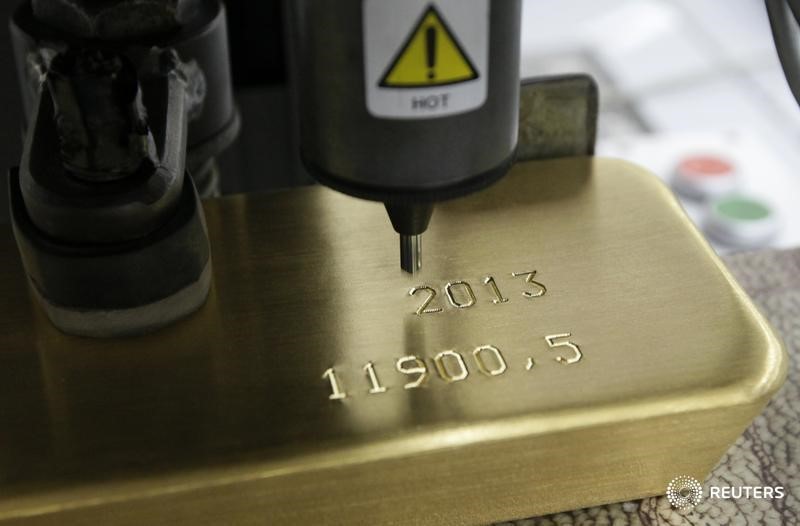
Gold fell 1.1% to $4,043.62/oz and gold futures slipped 1.0% to $4,056.77/oz as renewed U.S.-Iran strikes and higher-for-longer rate worries pressured bullion. Spot silver dropped 1.8% to $58.1145/oz and platinum fell 0.4% to $1,612.20/oz, while markets are pricing in over a 30% chance of a Fed rate hike by end-2026. The next key catalysts are U.S. June nonfarm payrolls and other major inflation/PMI data, which could reinforce hawkish rate expectations.
The key market message is not geopolitics per se, but that gold is becoming a crowded macro hedge with a worsening carry profile. When real yields and the dollar are both firm, gold loses on two fronts: financing cost rises while the currency used to price the hedge strengthens, which tends to overwhelm short-lived safe-haven bids unless the conflict escalates materially. That makes this more of a tactical washout than a structural breakdown unless the next macro prints force the Fed to reprice to a higher-for-longer path.
The second-order winner is not energy, but rate-sensitive cyclicals and financial assets that were being taxed by the inflation scare embedded in commodities. If oil stays near pre-shock levels, the market can refocus on disinflation, which is bearish for gold and supportive for duration assets, utilities, and high-multiple growth. Conversely, if labor data come in hot, gold could sell off again even with fresh headline risk because the dominant driver would shift back to policy, not war.
The consensus is likely overestimating the persistence of the current move lower in gold and underestimating the speed of a reflexive squeeze if payrolls or inflation cool. But near term, the path of least resistance remains lower unless geopolitical escalation produces a durable energy bid or the dollar rolls over. The more interesting opportunity may be to fade the panic in gold miners and silver, which tend to overshoot on both sides when real-rate expectations are the real driver.
For a 1-2 week horizon, this is a trader's market: the catalyst stack is payrolls, CPI follow-through, and any breakdown in the ceasefire framework. For a 1-3 month horizon, the trade hinges on whether the Fed begins to signal that labor softness outweighs inflation persistence; that is the inflection point that would reintroduce a bid to non-yielding assets.
AI-powered research, real-time alerts, and portfolio analytics for institutional investors.
Request DemoOverall Sentiment
mildly negative
Sentiment Score
-0.25
