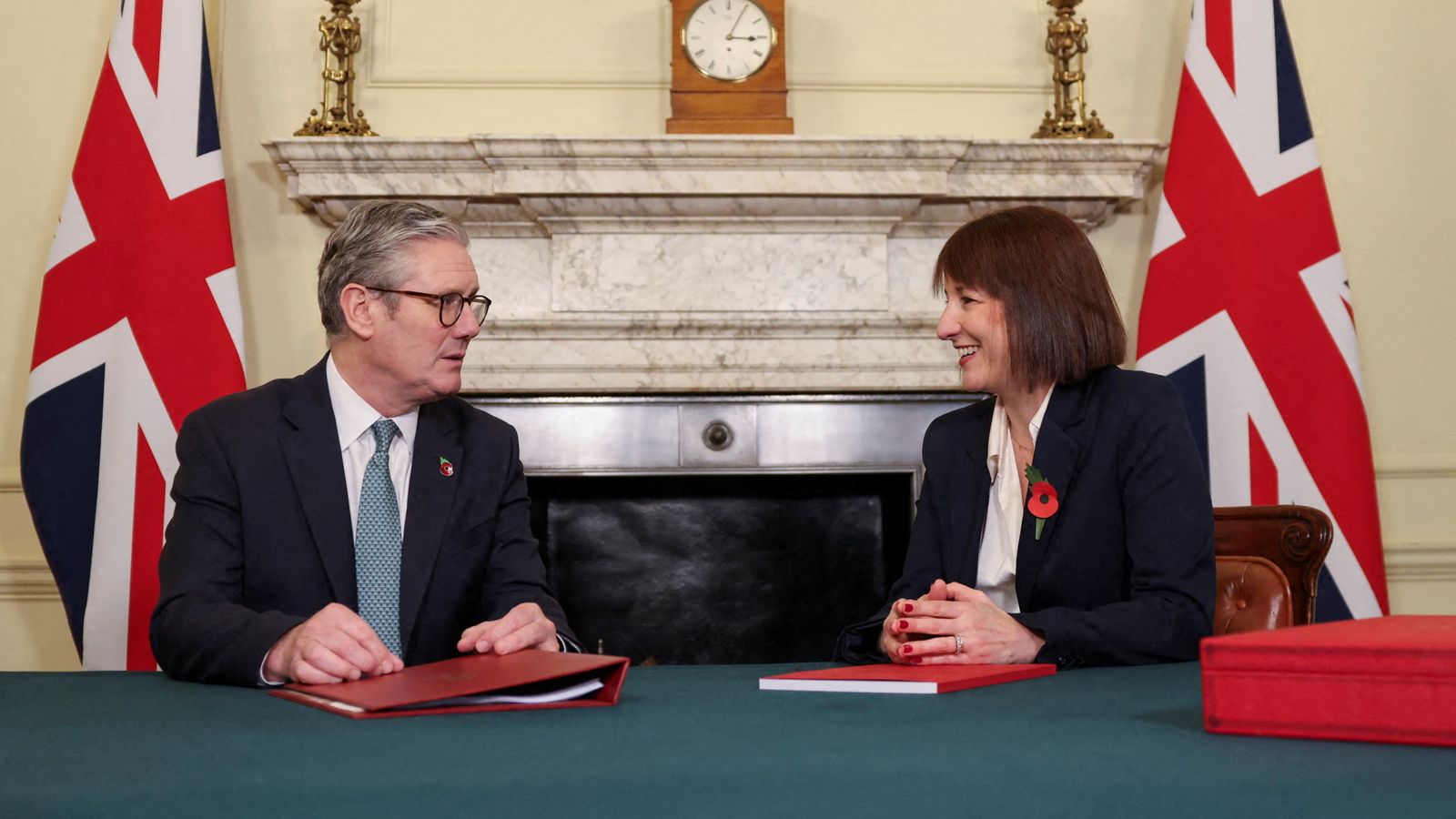
Prime Minister Keir Starmer will defend a budget that raised taxes by £26bn and included measures such as a £3bn repeal of the two‑child benefit cap, while pledging welfare reform and deregulatory pushes for infrastructure and nuclear build. The Office for Budget Responsibility’s downgrade to productivity (costing ~£16bn) and an accidental pre‑release that showed a £4.2bn surplus have triggered accusations the chancellor misled the public and an investigation into the breach; the episode raises political and fiscal credibility risks that could influence UK sovereign sentiment and market confidence. Key near‑term implications for investors are elevated political risk around fiscal guidance, potential pressure on gilts/sterling from uncertainty over fiscal headroom, and policy focus on cost‑of‑living measures and deregulation that may affect energy, infrastructure and regulated sectors.
Market structure: The £26bn tax package plus targeted welfare spending and a deregulatory push creates clear winners — UK infrastructure contractors, nuclear supply-chain firms and defence/engineering — and losers — domestic consumer discretionary and lower-income consumer-facing retailers. Expect stronger pricing power and tender flow for construction and industrials over 6–24 months (material uplift in ORDERS might be +10–30% vs baseline), while household disposable income is squeezed by tax rises, pressuring retail volumes near term (0–6 months). Risk assessment: Key tail risks are a loss of fiscal credibility (OBR breach → ratings agencies or higher gilt premia), a snap political crisis/resignation, or an OBR finding that forces fiscal reversal; any of these could spike 10y UK gilt yields +50–150bps within days–weeks. Immediate horizon (0–30 days): elevated volatility in gilts and GBP around the OBR report; short-term (1–6 months): policy clarity will drive sector re-rating; long-term (12–36 months): deregulatory capex could raise inflation and rate risk if demand outstrips capacity. Trade implications: Direct plays are long UK infrastructure/construction and defence equities and selective uranium exposure (nuclear build optionality), short domestic retail and selectively hedge GBP and gilts. Use options to express political/FX tail risk (3-month GBP puts, gilt-vol receivers). Rotate from consumer cyclicals into Industrials/Utilities over next 3–12 months if OBR report is benign. Contrarian angles: Consensus focuses on tax-led consumer pain — the market is underestimating re-rating potential from substantive deregulation and accelerated capex (histor parallels: post-policy-capex rerates in other markets produced multi-quarter outperformance). Reaction may be overdone in gilts/GBP if OBR report merely attributes process error; conversely, a true credibility shock would be an asymmetric downside, so size hedges conservatively (1–3% of portfolio).
AI-powered research, real-time alerts, and portfolio analytics for institutional investors.
Request DemoOverall Sentiment
mildly negative
Sentiment Score
-0.25
