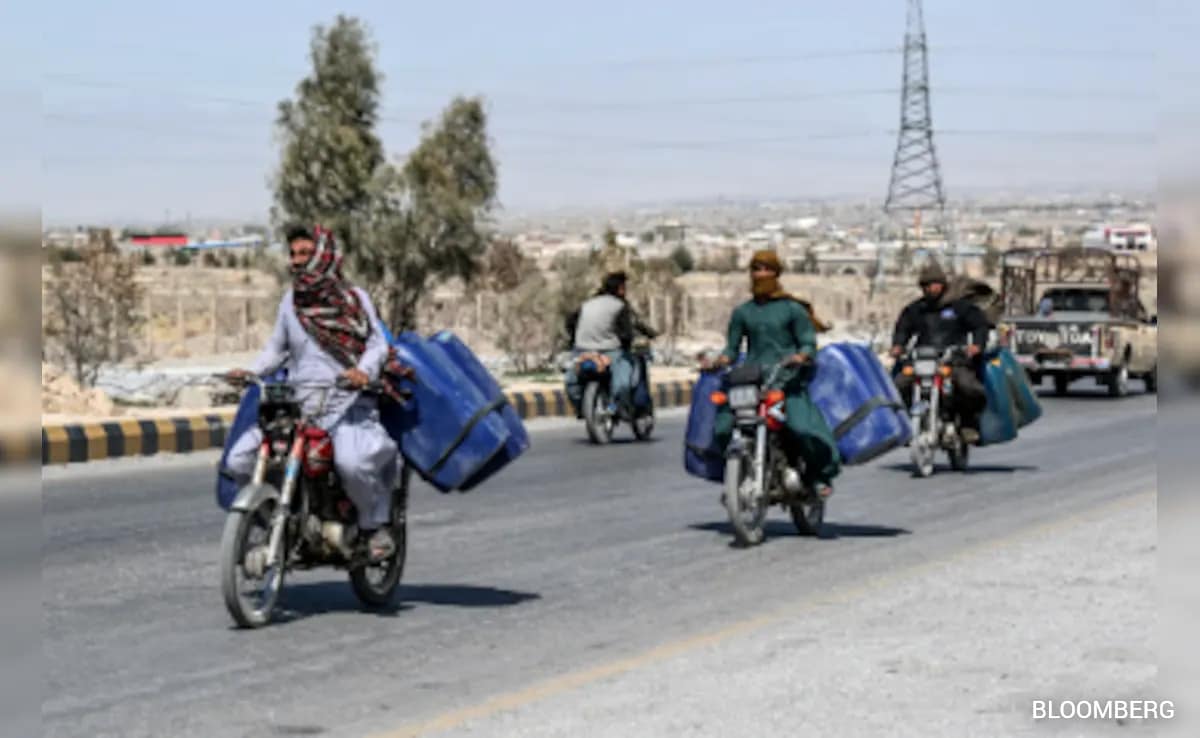
Pakistan is juggling a potential mediation role in US-Iran talks while suffering power shortfalls of 4,500 megawatts at peak hours due to LNG shortages and underperforming hydro generation. Officials said at least four LNG tankers are needed to refill gas-fired plants, and blackouts have extended beyond the government's promised 2-3 hours a day. The article is cautiously positive on Pakistan's diplomatic relevance but negative on domestic energy reliability and governance.
The market-relevant signal is not Pakistan-specific GDP leakage; it is the intersection of geopolitics and an already-fragile domestic power system. Any incremental diplomatic utility Islamabad gains from Iran/Saudi/U.S. mediation is likely to come with a near-term fiscal and FX drag because energy insecurity forces emergency LNG procurement at worse spot terms and raises the probability of quasi-fiscal losses in the power chain. That matters for EM sovereign risk more than for local equities: the state can temporarily buy headline relevance, but it does so while increasing the odds of arrears, subsidy pressure, and sharper import compression over the next 1-3 months.
The second-order effect is on regional gas and shipping dynamics rather than on Pakistan alone. If Pakistan is scrambling for LNG cargoes, it is a marginal buyer willing to pay up, which can tighten spot availability for South Asian and Gulf-linked utilities and nudge nearby benchmarks higher in the shoulder season. Conversely, any diplomatic breakthrough that reduces regional tensions could lower crude risk premium modestly, but the larger pricing effect is the opposite: if talks fail or stall, markets should expect a small but fast re-pricing in Middle East energy and defense hedges within days, not quarters.
The contrarian point is that Pakistan’s mediator role may be more durable than the usual cynicism implies because all parties have asymmetric incentives to keep Islamabad useful, even if they do not trust it fully. That makes the headline cycle noisy but the strategic value persistent. The tradeable issue is less "Pakistan wins" than "Pakistan is forced to pay up to stay relevant," which is bearish for its sovereign balance sheet and bullish for any external financing tied to energy stabilization.
For risk assets, the main catalyst window is immediate: any breakdown in talks or visible domestic power deterioration can hit the PKR, local bonds, and import-sensitive sectors within days. Over 3-6 months, the key swing factor is whether LNG deliveries normalize before peak summer demand; if not, power rationing becomes a growth and inflation amplifier, increasing default and rollover risk.
AI-powered research, real-time alerts, and portfolio analytics for institutional investors.
Request DemoOverall Sentiment
mildly negative
Sentiment Score
-0.15
