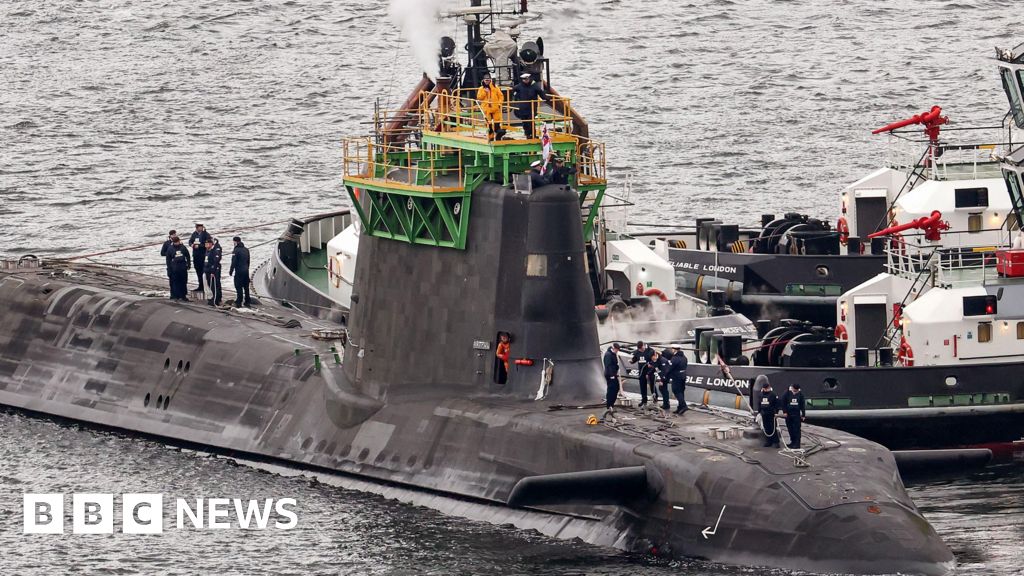
NATO is pressuring the UK and other members to increase defense spending, with discussions ongoing ahead of the upcoming summit. While the UK government aims to increase military spending to 2.5% of national income by 2027 and 3% by 2034, NATO chief Mark Rutte is advocating for a commitment of 3.5% on hard defense and 1.5% on broader security areas by 2032. The Office for Budget Responsibility estimates that reaching 3% of GDP by 2030 would cost the UK an additional £17.3bn, with further increases having implications for government spending plans.
The UK government is currently in discussions regarding increased NATO defense spending targets, with significant pressure from allies, particularly NATO chief Mark Rutte, ahead of an upcoming summit. The UK plans to elevate its military expenditure from 2.3% to 2.5% of national income by 2027, aspiring to reach 3% by 2034. This contrasts with Rutte's proposal for NATO members to commit 3.5% to hard defense and 1.5% to broader security areas like cyber by 2032. The Office for Budget Responsibility (OBR) estimates that achieving 3% of GDP on defense by 2030 would cost the UK government an additional £17.3 billion, indicating substantial fiscal implications for any further increases. This debate occurs within a political landscape where the Labour government targets 3% by 2034, while Conservative and Reform UK parties advocate for an earlier timeline by the end of the decade. The UK's strategic review highlights a "Nato-first approach" and aims for "war-fighting readiness," underscoring the geopolitical context of increased European defense spending following Russia's invasion of Ukraine and consistent US calls for greater allied contributions. The funding for such an uplift remains a key point of discussion, with potential impacts on other areas of government spending.
AI-powered research, real-time alerts, and portfolio analytics for institutional investors.
Overall Sentiment
neutral
Sentiment Score
0.00
