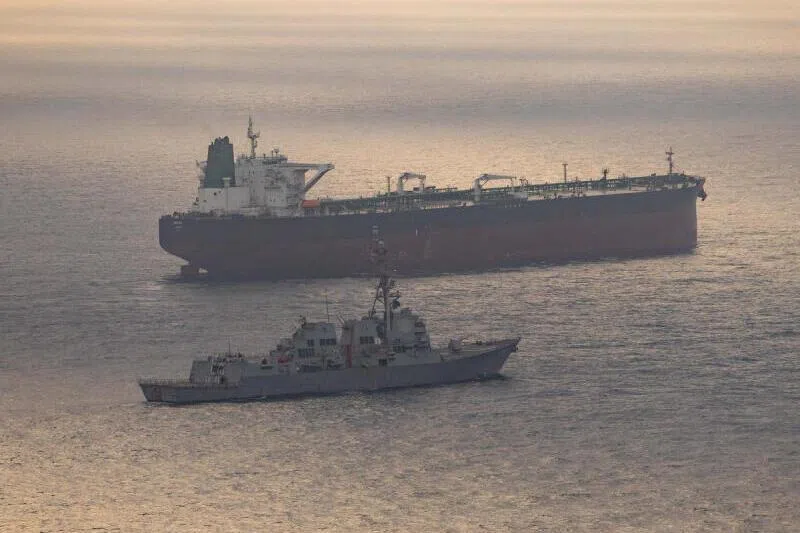
The US destroyed six Iranian small boats and intercepted Iranian cruise missiles and drones as it launched Project Freedom to reopen shipping through the Strait of Hormuz, while Iran reportedly attacked a South Korean-operated cargo ship in the same waterway. The Strait remains a critical chokepoint for global energy and trade flows, making the escalation a major geopolitical and logistics risk. The article also notes separate antisemitic vandalism in New York, a fatal car-ramming incident in Leipzig, and Manchester City's 3-3 draw with Everton, but those are secondary to the Hormuz security shock.
The market should treat this as a freight-and-insurance shock before it is a pure energy story. Even if physical crude supply is not immediately impaired, a sustained security premium around the Strait of Hormuz can reprice voyage costs, war-risk insurance, and charter availability across tankers, LNG carriers, and container shipping within days; the second-order effect is tighter effective shipping capacity, which can pressure Asian refiners, petrochemicals, and time-sensitive importers long before headline oil spikes fully materialize.
The more important medium-term loser is any balance sheet levered to uninterrupted Gulf throughput. A prolonged interdiction campaign forces rerouting, slow-steaming, and higher working-capital needs, which is toxic for freight-sensitive importers and for firms that depend on just-in-time inventory turns. If the US is serious about reopening lanes, the scenario can persist for weeks rather than hours; if Iran responds asymmetrically via drones and maritime harassment, volatility stays bid even if formal ceasefire language remains intact.
This setup also creates an unusual asymmetry in defense versus civilian logistics. Defense contractors and maritime security names benefit not just from higher spending, but from accelerated procurement urgency tied to escort, ISR, drone defense, and port protection, while airlines, shippers, and industrials with Middle East exposure face margin compression from fuel, detours, and disruption risk. The contrarian point: the move may be underpricing operational friction rather than outright commodity shortage, which tends to be slower-burning and harder for consensus to hedge.
Near term, the catalyst path is binary: either successful corridor reopening over the next 1-2 weeks compresses the risk premium, or repeated attacks force a broader regional shipping repricing over 1-3 months. The key tell is not crude alone but freight rates, marine insurance quotes, and port throughput in the Gulf; if those keep worsening while oil only drifts higher, the market is still underestimating the damage to non-energy sectors.
AI-powered research, real-time alerts, and portfolio analytics for institutional investors.
Request DemoOverall Sentiment
strongly negative
Sentiment Score
-0.55
