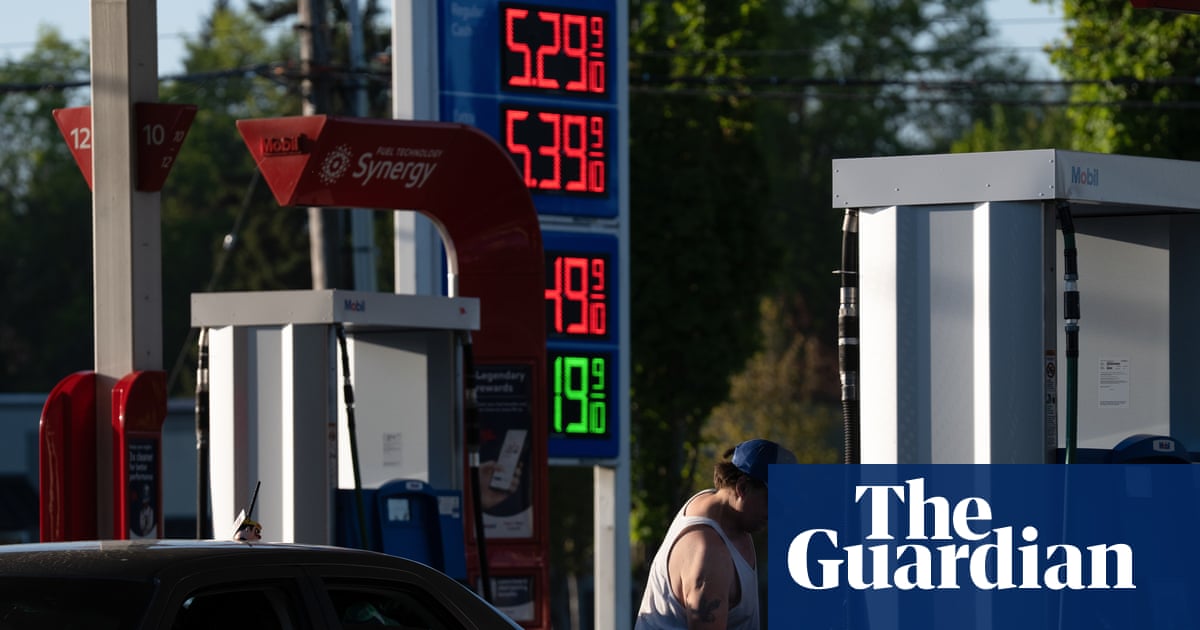
Exxon Mobil’s first-quarter earnings fell 46% to $4.2bn from about $7.7bn a year ago, while Chevron’s profit dropped 37% to $2.2bn from about $3.5bn, though both still beat Wall Street expectations. Management said Middle East timing effects, stalled deliveries, and supply disruptions deferred profits that may be realized later, even as oil prices surged to the highest levels since 2022. The article also highlights rising pump prices, with the US average at $4.39 versus $3.187 a year ago, increasing inflation pressure.
The market is still underpricing the gap between mark-to-market energy prices and realizable cash earnings for integrateds. The near-term loser is not just the majors’ reported EPS optics; it is any producer with more exposure to end-of-quarter delivery timing, physical logistics, or LNG throughput disruptions, because the accounting lag can make strong commodity tapes look weak precisely when positioning is most crowded.
The second-order winner is downstream and trading-heavy balance sheets that can monetize dislocations faster than upstream-only peers. If Middle East disruptions persist, the real differentiation shifts from reserve base to operational flexibility: shipping, storage, and trading books should outperform plain-vanilla production leverage over the next 1-2 quarters. COP looks comparatively more exposed because LNG disruption risk is not a short-cycle issue; repair timelines measured in quarters to years can create a persistent haircut to growth assumptions.
For defense, the setup is more nuanced than a simple geopolitics bid. A ceasefire and reopening of a key transit route can unwind the war premium quickly, so the trade is better expressed through optionality or pairs rather than outright longs. The market also appears to be discounting a slower pass-through into consumer inflation, which means any sustained pump-price move becomes a macro problem before it becomes an earnings problem; that can cap the upside for broad risk assets even if energy equities stabilize.
Consensus may be too focused on headline profit declines and not enough on deferred recognition: if physical barrels clear, the reported weakness can reverse sharply in subsequent quarters without any improvement in spot prices. That argues for patience on the majors, but not complacency—this is a better setup for buying dip protection than chasing strength, because the biggest tail risk is a sudden geopolitical de-escalation that collapses the timing premium faster than fundamentals re-rate.
AI-powered research, real-time alerts, and portfolio analytics for institutional investors.
Request DemoOverall Sentiment
mildly negative
Sentiment Score
-0.15
Ticker Sentiment
