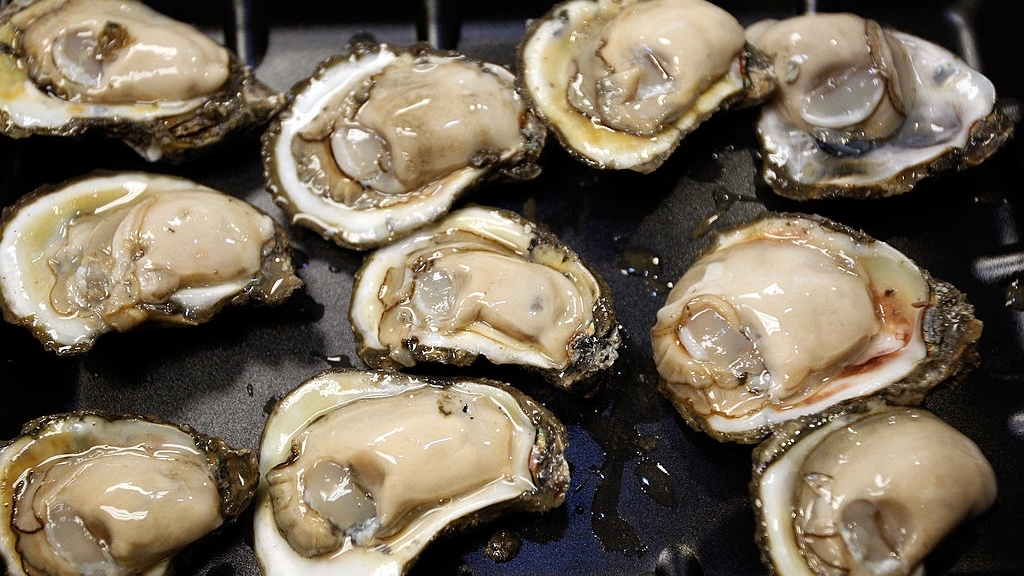
A Salmonella outbreak linked to raw oysters has sickened 64 people across 22 states, including seven in New York, with 20 hospitalizations and no reported deaths; no product recall has been issued. The CDC and FDA are investigating a common source while advising consumers to cook oysters and vulnerable populations to be cautious, a development that could depress demand regionally for raw-oyster sellers and prompt regulatory scrutiny but is unlikely to move broader markets.
Market structure: Immediate winners are laboratory testing and life-science tools providers that handle food-pathogen testing (e.g., Thermo Fisher TMO, Danaher DHR) and processors of cooked/frozen seafood (High Liner Foods HLF.TO) as buyers seek tested/treated product; losers are regional oyster growers, shellfish distributors and foodservice operators that rely on raw oyster sales (pressure on specialty suppliers like Chefs' Warehouse CHEF and coastal independent restaurants). Pricing power shifts toward certified processors and testing labs who can charge premium turnaround and validation fees; raw-oyster spot demand is likely to fall 10–30% in affected states over 2–6 weeks.
Risk assessment: Tail risks include a broad FDA/CDC-mandated recall or farm closures (low probability, high impact) that could force multi-week shutdowns, trigger litigation and insurance losses for suppliers; if cases exceed ~200 or hospitalizations spike >30 within 30–60 days, expect material regulatory escalation. Short-term (days–weeks) revenue hit for affected foodservice; medium-term (1–3 months) recovery if source contained; long-term (3–12+ months) structural shift toward post-harvest treatment protocols increases recurring testing spend. Hidden dependencies: single distributor hubs, interstate cold-chain links and state-level closures amplify contagion beyond origin.
Trade implications: Tilt portfolios +2–4% to lab/testing equipment (TMO, DHR) with 3–6 month horizon; establish 0.5–1% tactical short exposure to specialty food distributors/restaurants exposed to raw oysters (CHEF, optionally DRI) via put spreads to limit downside. Pair trade: long TMO (1–2%) / short CHEF (0.75%) to hedge beta. Use options: buy 3-month call spreads on DHR/TMO (buy ATM, sell +8–12% OTM) and buy 3-month put spreads on CHEF (buy 5% OTM, sell 12% OTM) to cap capital at risk.
Contrarian angles: Consensus underestimates demand shift to cooked/frozen and certified product — High Liner (HLF.TO) and processed-seafood exporters could see order growth within 4–12 weeks, a mispricing opportunity outside US-listed microcaps. The market often over-reacts to limited outbreaks: historical shellfish scares show retail/restaurant traffic recovers in 6–12 weeks once trace established; avoid scaling shorts beyond 1% until the CDC/FDA issues a formal recall. Unintended consequence: accelerated regulation may permanently raise industry testing budgets, benefiting lab-equipment makers for years (structural revenue tail).
AI-powered research, real-time alerts, and portfolio analytics for institutional investors.
Request DemoOverall Sentiment
mildly negative
Sentiment Score
-0.25
