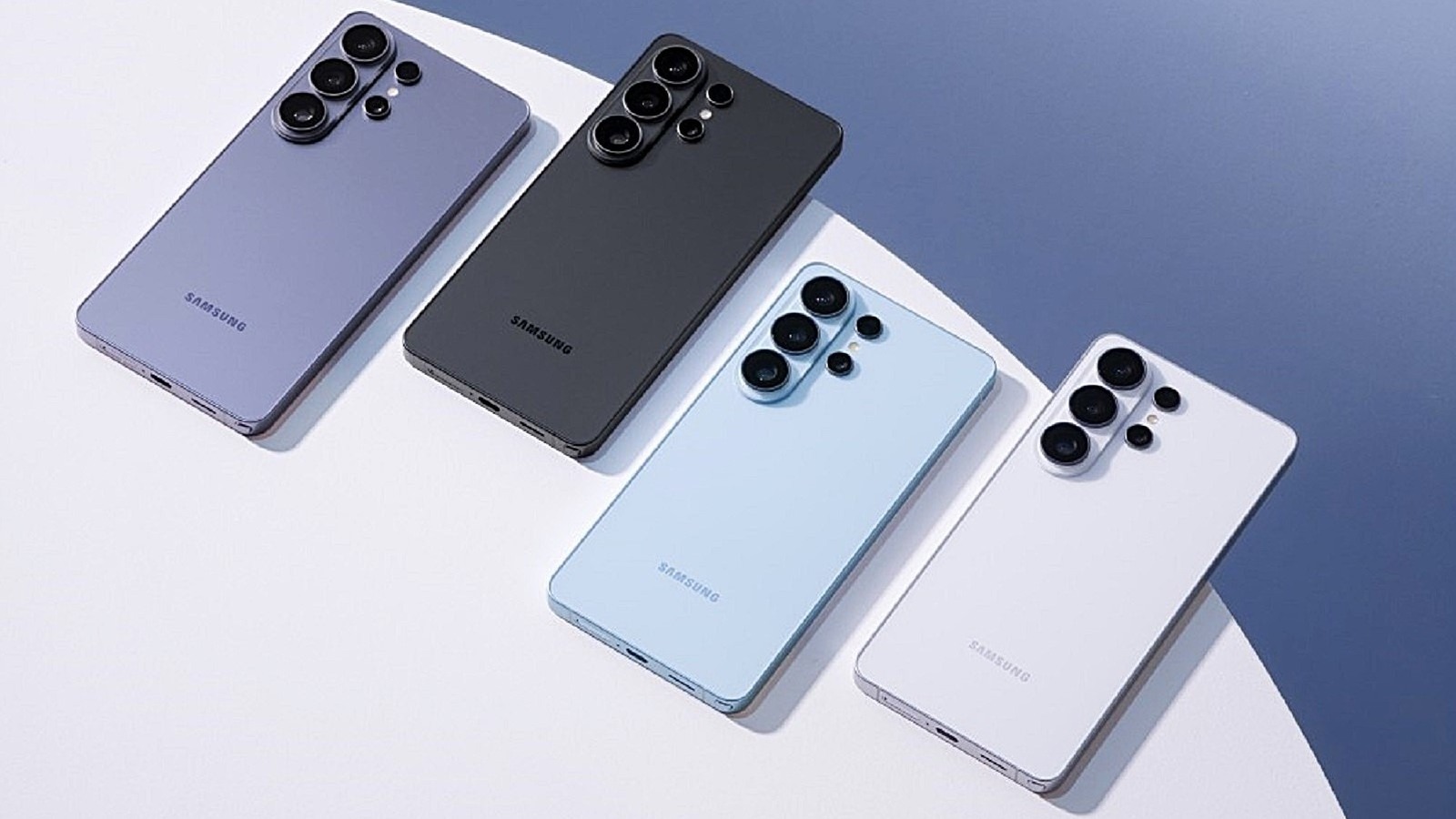
Amazon is offering the 512GB Samsung Galaxy S26 Ultra for $1,299.99 — $200 below Samsung's $1,499 list price — plus an exclusive $200 Amazon gift card; eligible trade-ins can cut an additional up to $550 on Amazon (Samsung offers up to $900 trade-in). The piece highlights device upgrades including a privacy screen and integrated AI features (contextual awareness and Circle to Search) that differentiate the product. The promotion underscores channel-level price competition and promotional incentives that could influence near-term unit demand and distribution mix between OEM direct sales and marketplace retailers, with limited broader market impact.
Market structure: Amazon (AMZN) is taking share by using a $200 price gap + $200 Amazon-only gift card to undercut Samsung’s direct SKU pricing, which benefits AMZN's e-commerce revenue, Prime engagement and ad monetization while pressuring Samsung (SSNLF / 005930.KS) retail margins and carrier upsell economics. Immediate effect is modest market-share shift in premium Android sales but escalates promotional intensity across premium handset retail channels over the next 1–3 months. Cross-asset: expect mild 1–3% positive skew to AMZN equity, compression in AMZN options IV near-term, slight downside pressure on KRW and Samsung equity; corporate bonds unaffected unless campaign widens.
Risk assessment: tail risks include regulatory scrutiny on bundling/subsidies (FTC/DOJ/EC inquiries within 3–12 months), supplier warranty/return-cost blowouts, or Samsung retaliatory deeper subsidies leading to margin destruction. Time horizons: days–weeks for retail unit sell-through signals, quarters for revenue/CGS mix impacts, years for ecosystem lock-in effects on advertising and services. Hidden dependencies: gift-card incentives shift purchase economics (deferred spend) and increase Amazon site traffic/ad revenues — second-order uplift underestimated by consensus.
Trade implications: tactically favor AMZN exposure while hedging OEM risk—use 1–3 month instruments to capture holiday momentum and 3–9 month to play structural win. Consider modest short positions in vulnerable bricks‑and‑mortar/high-end electronics sellers (e.g., BBY) and selective short of SSNLF/005930.KS to express margin squeeze in OEMs. Options: prefer call spreads on AMZN to cap cost and sell premium if IV spikes; favor put spreads on BBY for 2–3 month horizons.
Contrarian angles: consensus underweights Amazon’s ability to monetize increased device traffic via ads/Prime; this is not a pure hardware loss but a customer-acquisition vector comparable to Echo/FireTV historically. Risk that Samsung re-channels sales to carriers or bundles exclusive features, which would blunt AMZN gains — set concrete stop-loss and volatility triggers to avoid late-cycle reversal.
AI-powered research, real-time alerts, and portfolio analytics for institutional investors.
Request TrialOverall Sentiment
mildly positive
Sentiment Score
0.30
Ticker Sentiment
