
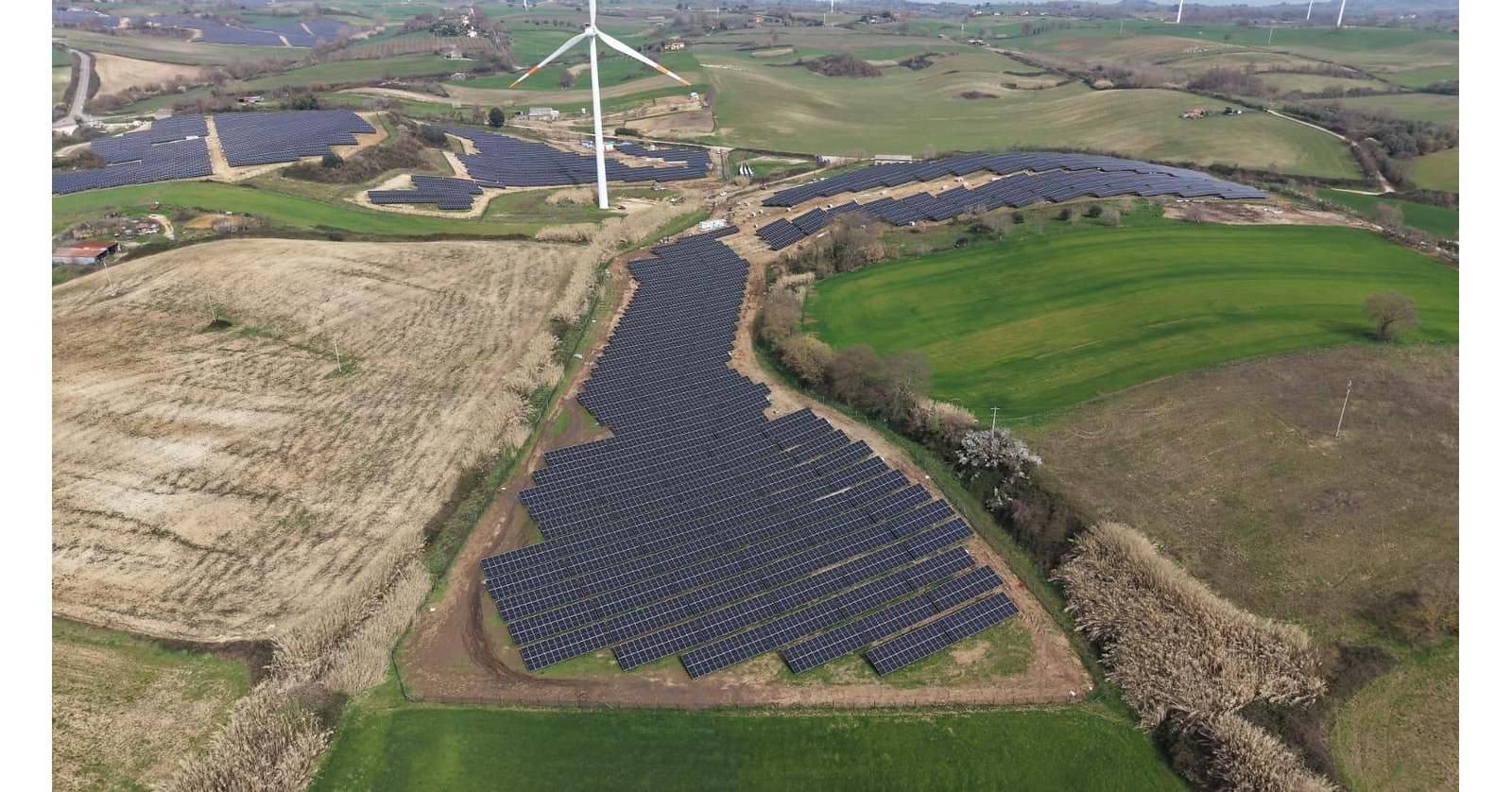
Enfinity Global reached 535 MW of operational solar capacity in Italy within three years, with 18 plants expected to generate nearly 1 TWh/year and avoid ~290,904 tonnes of CO₂e annually (equivalent to ~350,000 households). The company is also expanding storage, with ~600 MW of battery energy storage systems (BESS) authorized, supporting a broader 9.1 GW pipeline. Enfinity says the portfolio has attracted over €1 billion in investment, reinforcing its capital structuring and project-financing capability.
This matters less as a standalone solar milestone and more as a signal that Italian power economics are shifting from generation scarcity to flexibility scarcity. As more daytime MW come online, the incremental value of plain-vanilla PV falls because capture prices compress first; the winners are developers that can pair storage and finance at scale, plus grid owners that monetize the interconnection backlog. That is a subtle but important change in the profit pool: returns migrate away from merchant electrons and toward regulated network spend, batteries, and structured PPAs.
For public-market comps, the second-order beneficiary is the grid and equipment stack rather than the solar developer itself. Italian transmission and substation capex should remain supported if this pipeline keeps converting, which is constructive for regulated asset bases and select electrical OEMs with European storage exposure. Conversely, merchant-heavy Italian power names face a medium-term headwind as more solar pushes the system toward lower daytime pricing and narrower intraday spreads; that pressure shows up first in forward curves, then in consensus EBITDA.
The contrarian point is that the headline MW count may overstate economic value if financing costs stay elevated or curtailment rises. In Italy, the binding constraint is often not module supply but permits, grid hookups, and offtake quality; if those frictions persist, project IRRs can disappoint despite a strong pipeline. Falsifier: sustained strength in Italian capture prices or a gas-price spike that keeps wholesale power elevated would delay the cannibalization thesis and reduce the urgency of any short on merchant power exposure.
AI-powered research, real-time alerts, and portfolio analytics for institutional investors.
Overall Sentiment
mildly positive
Sentiment Score
0.25
Ticker Sentiment
