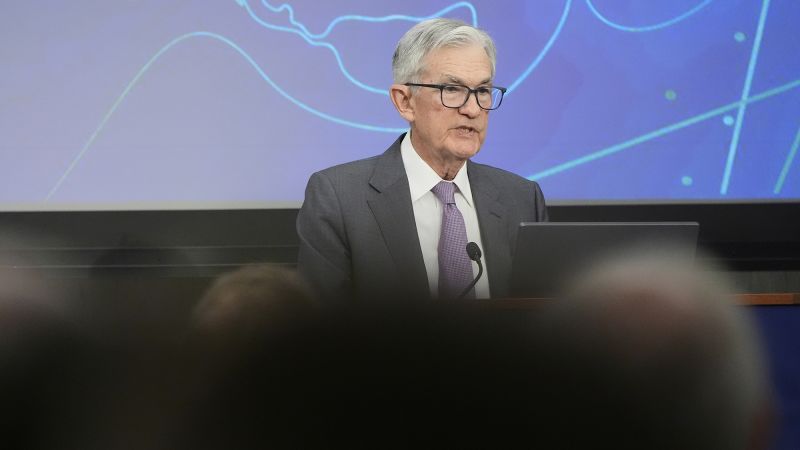
Geopolitical tensions stemming from the recent Israeli strike on Iran, which caused a surge in global oil prices, may further delay potential interest rate cuts by the Federal Reserve. With the Fed already hesitant due to uncertainties surrounding the economic impact of the Trump administration's trade and immigration policies, rising oil prices present additional inflationary pressures. Despite a resilient labor market with a 4.2% unemployment rate and better-than-expected job additions in May, analysts suggest the Fed will remain cautious, potentially pushing any rate cut to the end of the year or enacting a 'bad news' rate cut if economic conditions deteriorate significantly.
The Federal Reserve's anticipated timeline for interest rate reductions is likely to be extended due to emergent geopolitical instability, specifically the Israeli strike on Iran, which has caused a significant surge in global oil prices and thereby amplified inflationary risks. This situation complicates the Fed's existing cautious stance, already influenced by uncertainties surrounding the economic repercussions of the Trump administration's trade and immigration policies, which themselves carry inflationary potential. Citigroup's Robert Sockin highlighted that persistently elevated oil prices would compound the Fed's challenges, possibly deferring any rate cut until the end of the year. Despite presidential calls for rate cuts, Fed officials are expected to exercise increased prudence, as monetary policy is not optimally designed to counteract geopolitical shocks, a point emphasized by John Velis of BNY Mellon. The current robustness of the U.S. labor market, demonstrated by the addition of 139,000 jobs in May and an unemployment rate holding at a low 4.2%, provides the Fed with the latitude to delay action. However, projections from Wells Fargo's Jay Bryson suggest a potential weakening in job growth by late summer, which could alter the Fed's considerations, potentially triggering a 'bad news' rate cut if economic conditions significantly worsen, irrespective of oil price levels. Investor expectations, reflected in futures markets, currently price in a rate cut by October, with the Fed's own projections anticipated next week.
AI-powered research, real-time alerts, and portfolio analytics for institutional investors.
Overall Sentiment
moderately negative
Sentiment Score
-0.35
Ticker Sentiment
