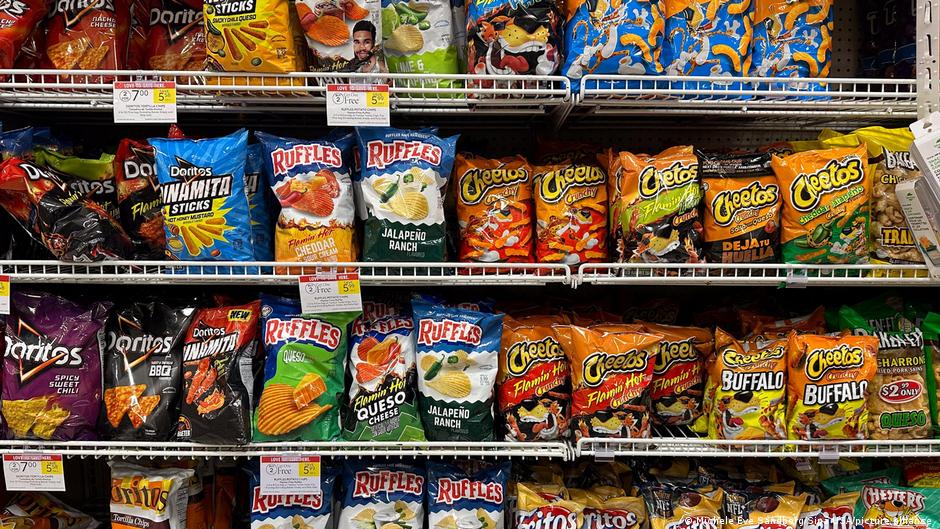
Researchers publishing in The Lancet warn that ultra-processed foods (UPFs) are a major global public‑health threat—now accounting for more than half of calories consumed in the U.S., U.K. and Australia—and link UPF consumption to rising rates of obesity and cancer, arguing current evidence justifies government action. They highlight industry concentration (Nestle, PepsiCo, Unilever, Coca-Cola, Danone, Fomento Economico Mexicano, Mondelez and Kraft Heinz represented 42% of the sector’s $1.5 trillion in assets in 2021) and call for package warnings, marketing restrictions and taxes on certain UPFs. While the authors acknowledge debate over the UPF definition, they warn the signal is strong enough to create regulatory and reputational risk for major food manufacturers, likening some industry tactics to those historically used by tobacco firms.
A Lancet series from more than 40 global health experts asserts ultra-processed foods (UPFs) now represent more than half of calories consumed in the U.S., U.K. and Australia and links UPF consumption to rising rates of obesity and cancer, prompting calls for package warnings, marketing restrictions and taxes. The paper quantifies industry concentration: eight UPF manufacturers — Nestle, PepsiCo, Unilever, Coca‑Cola, Danone, Fomento Económico Mexicano, Mondelez and Kraft Heinz — accounted for 42% of the sector's $1.5 trillion in assets in 2021, concentrating regulatory and reputational exposure in a handful of large names.
Researchers acknowledge definitional debate but argue evidence is sufficient to justify government action and liken some industry tactics to historical tobacco playbooks, implying potential for sustained public-policy and public-relations pressure. The published sentiment is moderately negative and the article’s market-impact signal is modest (market_impact_score 0.35), suggesting selective near-term share pressure rather than broad market dislocation, while regulatory outcomes remain uncertain.
For investors, the chief implication is elevated idiosyncratic and policy risk for major UPF producers; monitor legislative developments and consumer-demand shifts closely and expect episodic volatility around regulatory milestones.
AI-powered research, real-time alerts, and portfolio analytics for institutional investors.
Overall Sentiment
moderately negative
Sentiment Score
-0.45
Ticker Sentiment
