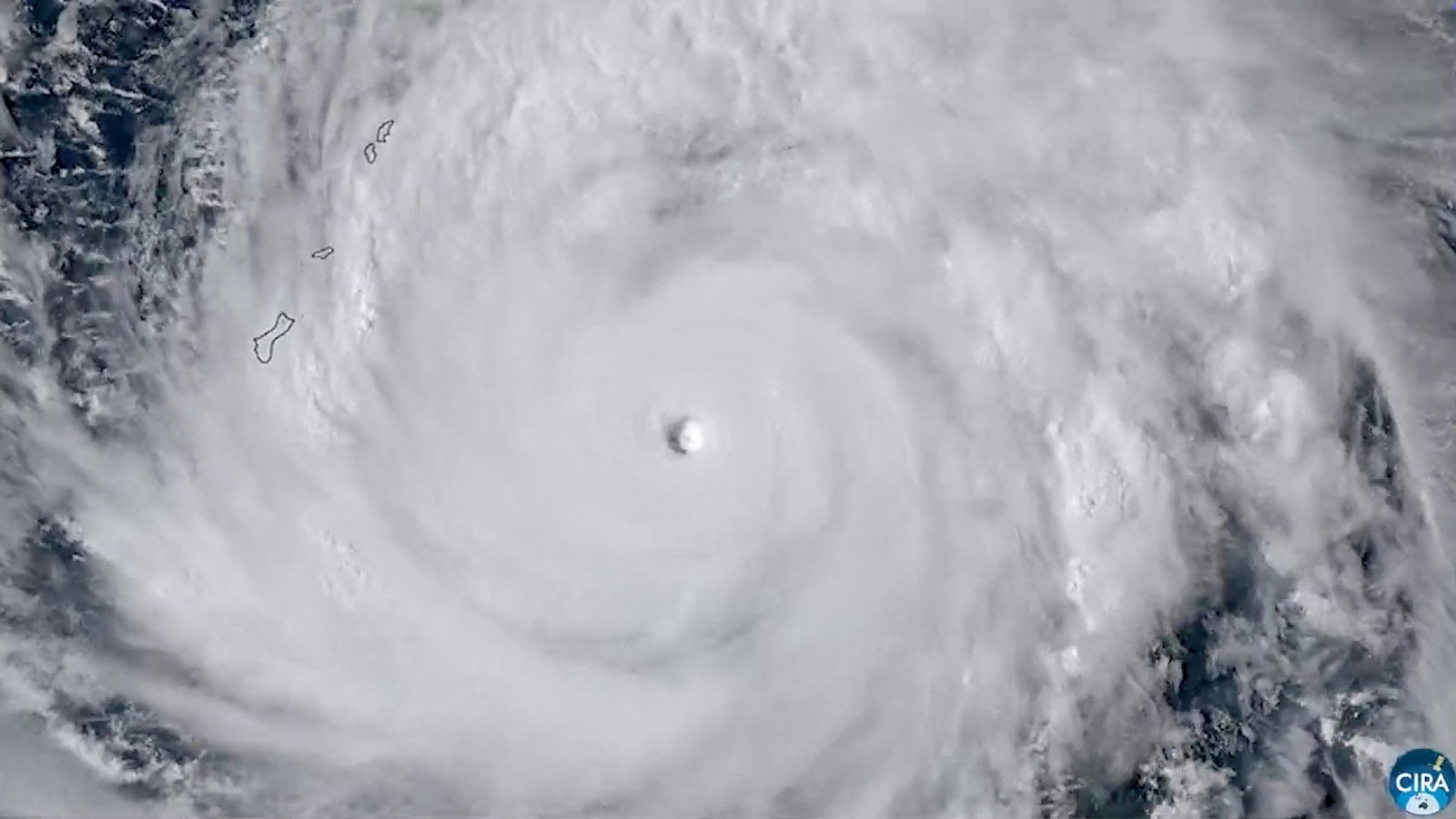
Super Typhoon Sinlaku is forecast to bring Category 4-5 conditions to Tinian and Saipan, with sustained winds of 125 to 145 mph, gusts to 160 mph, and coastal inundation of 5 to 8 feet, potentially 10 to 15 feet higher on windward shores. Guam faces tropical-storm-force winds of 50 to 60 mph and a typhoon warning is in effect for Rota, while rainfall of 15 to 25 inches raises flood risk across the Northern Marianas. The U.S. has approved an emergency disaster declaration for Guam and the Northern Mariana Islands, signaling material local disruption and relief spending.
The immediate market impact is less about the islands themselves and more about the knock-on stress to a highly concentrated logistics node in the western Pacific. Even a short shutdown risk in Guam and the Northern Marianas can ripple into military resupply, telecom backhaul, fuel distribution, and insurance pricing for a region where redundancy is thin and replacement capacity is slow to mobilize. The first-order equity signal is therefore not a broad macro event, but a localized cash-flow and working-capital shock for operators exposed to airlift, port throughput, and disaster response contracting. The second-order winner set is likely in logistics recovery, emergency construction, and satellite/communications substitution rather than in anything directly tied to the islands’ tourism economy, which is too small to move public markets. The more interesting implication is for defense readiness and procurement urgency: if base support assets or civilian infrastructure are disrupted, the DoD tends to accelerate maintenance, hardening, and inventory replenishment orders, which can benefit contractors with Pacific footprint exposure over the next 1-3 quarters. Insurance and reinsurers may see a modest but measurable tightening in pricing for CAT-exposed Pacific portfolios, even if the absolute loss size is limited. The contrarian view is that the market may overestimate the duration of disruption but underestimate the administrative response. Emergency declarations and prior storm playbooks can compress recovery timelines, muting the earnings impact for listed assets while still creating transient spikes in freight, fuel, and generator demand. That argues for trading the volatility around the event rather than making a directional bet on long-duration fundamentals; the best opportunities are likely in event-driven options where implied volatility lags the near-term operational risk. Catalyst timing is days, not months: the trade is around landfall, port closures, and immediate restoration headlines. If the storm track weakens or shifts offshore, the trade should mean-revert quickly; if infrastructure damage is worse than expected, the upside extends into reconstruction procurement over several quarters. The key tail risk is not island GDP loss, but secondary disruption to defense logistics and communications that could trigger budgetary follow-through beyond the storm window.
AI-powered research, real-time alerts, and portfolio analytics for institutional investors.
Request DemoOverall Sentiment
strongly negative
Sentiment Score
-0.70
