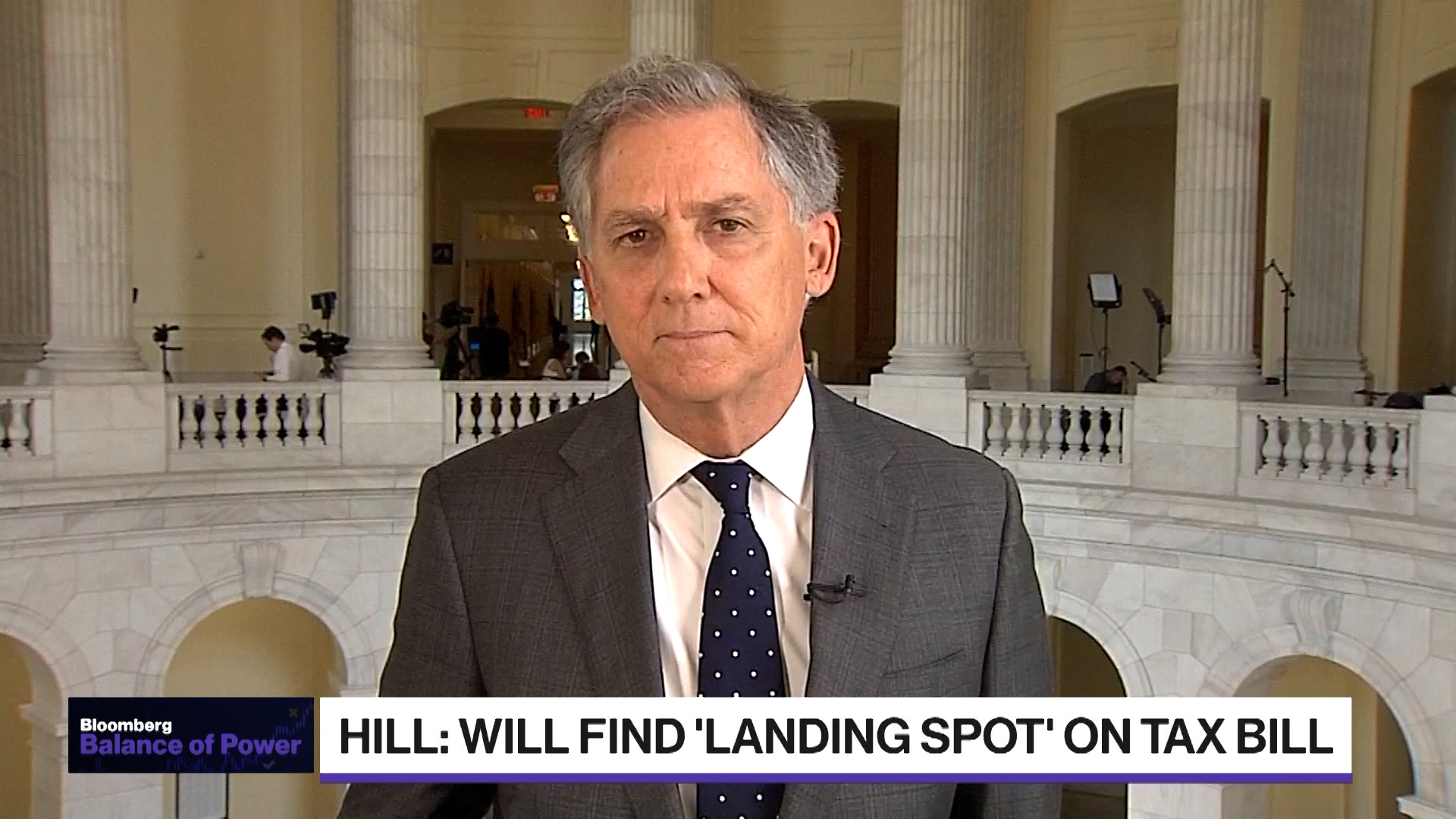
US new-home sales experienced their largest decline since 2022, signaling a cooling housing market. Concurrently, President Trump's key fiscal initiatives, including his budget and tax bills, are encountering significant resistance within Congress, even from Republicans, highlighting legislative challenges. Amidst this policy uncertainty, life insurers are notably increasing their investments in private debt, reflecting a continued institutional shift towards alternative credit.
The US housing market is exhibiting a significant sign of contraction, with new-home sales registering their most substantial decline since 2022. This economic softening is occurring amid considerable political and legislative friction in Washington. President Trump's key fiscal initiatives, specifically his budget and tax bills, are encountering notable resistance within the Republican party, casting doubt on their passage and creating uncertainty around future fiscal policy. This policy gridlock is further complicated by calls within the House to potentially investigate Federal Reserve Chair Powell, adding a layer of political risk to monetary policy considerations. Concurrently, a distinct capital allocation trend is visible in the institutional space, as life insurers are reportedly increasing their investments into private debt, signaling a strategic pivot towards alternative credit markets in a search for yield and diversification away from public market volatility.
AI-powered research, real-time alerts, and portfolio analytics for institutional investors.
Request DemoOverall Sentiment
moderately negative
Sentiment Score
-0.60
Ticker Sentiment
