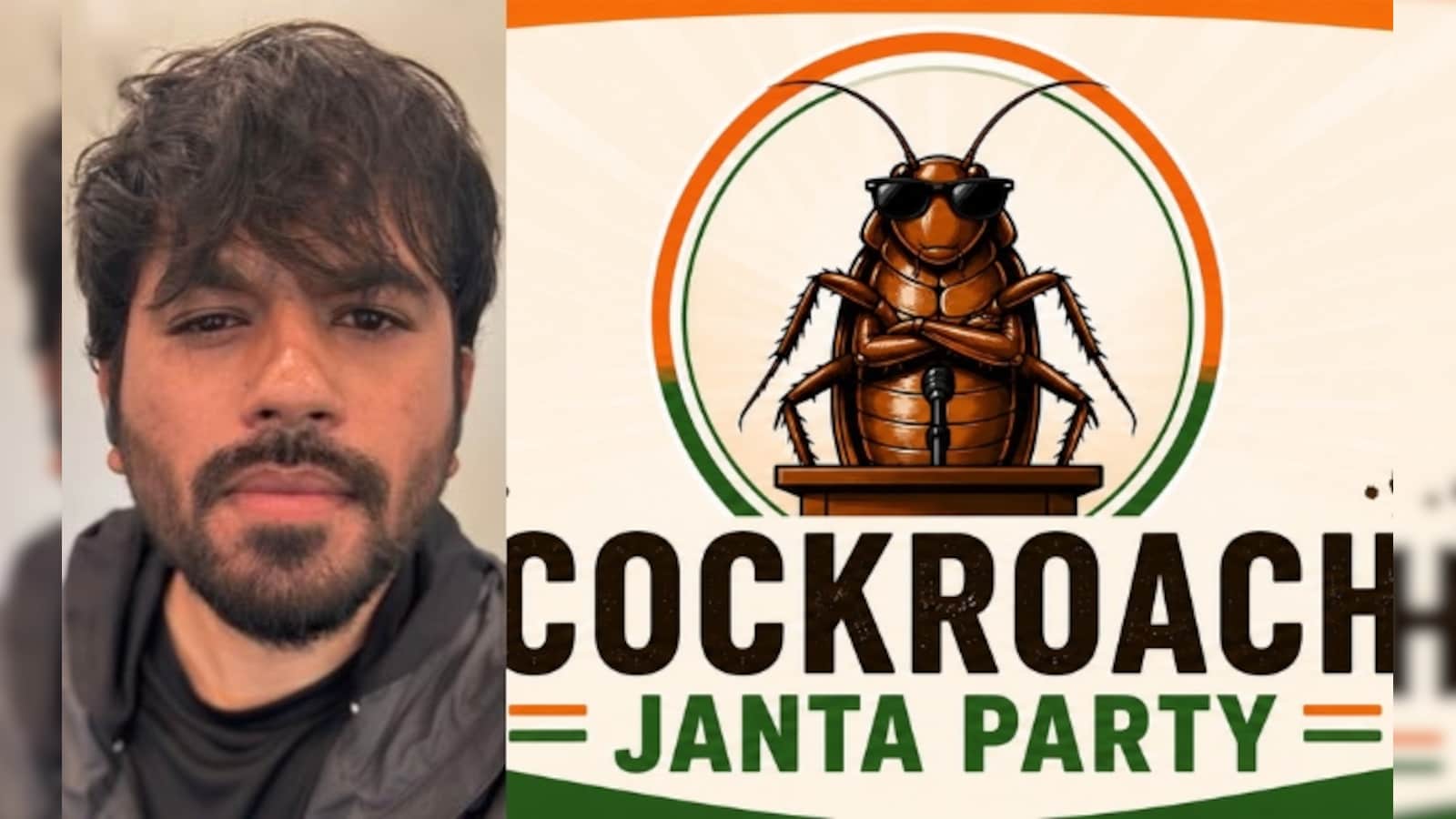
Abhijeet Dipke launched the satirical Cockroach Janta Party on May 16, quickly amassing over 19 million Instagram followers and more than 200,000 followers on X before the platform became inaccessible in India due to a legal demand. The story centers on online political satire, youth issues such as unemployment and exam paper leaks, and the controversy surrounding Chief Justice Surya Kant's remarks and subsequent clarification. This is primarily a social-media and political-culture story with minimal direct market impact.
The main market implication is not the satire itself, but the speed at which outrage has been converted into audience scale. That is a durable reminder that India’s political attention market is increasingly platform-mediated, which structurally favors creators, meme pages, and low-cost digital organizers over traditional party machinery. The second-order effect is a broader repricing of “distribution” as the scarce asset in politics: anyone with repeatable engagement can now outcompete incumbents on reach, even if the message is unserious.
For listed assets, the clearest beneficiaries are social platforms and ad-tech proxies if this kind of political virality sustains into the next election cycle. The near-term read-through is higher engagement minutes, more controversial content inventory, and better monetization for short-form video and creator tools; the offset is moderation and legal-compliance cost, which tends to rise with virality and can pressure margins if authorities lean in harder. The legal angle matters because takedown risk can be episodic but also creates a Streisand effect, so the first-order downside to the platform is usually limited while the upside from user migration and session intensity can last weeks to months.
The contrarian view is that most observers will overestimate the persistence of the audience and underestimate churn. Satirical political brands usually peak fast, then decay unless they convert attention into an organization, donation engine, or an actual issue-based coalition; if not, the whole phenomenon becomes a one-campaign trade. The key catalyst to watch over the next 30-90 days is whether the group broadens beyond the original controversy into unemployment/education grievances, which would make it more than a meme and materially increase its durability.
A deeper second-order effect is that mainstream parties may be forced to imitate the format, which could compress the advantage of first movers and shift the market toward production quality and creator partnerships. If that happens, digital campaign budgets may rotate away from legacy agency spend toward influencer-led microcontent, benefiting the entire creator stack while hurting traditional political consultants and print-heavy media.
AI-powered research, real-time alerts, and portfolio analytics for institutional investors.
Request DemoOverall Sentiment
neutral
Sentiment Score
0.05
