
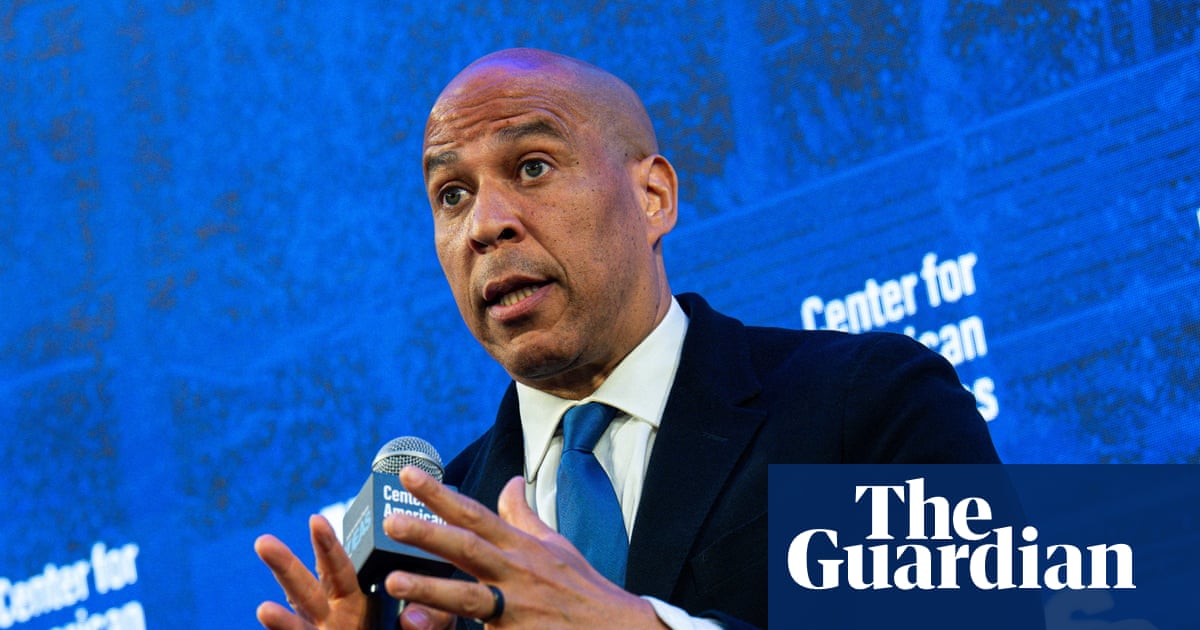
Cory Booker said he has concerns about Maine Senate candidate Graham Platner after reports surfaced that he allegedly sent sexually explicit messages to other women while married. The article also cites prior controversy around Platner’s Reddit posts and a Nazi-symbol tattoo, prompting a campaign staff resignation and public criticism from his wife. The piece is politically relevant but unlikely to have direct market impact.
This is not a campaign-specific ethics story so much as an early signal that intra-party quality control is becoming a tradable input ahead of a tight Senate map. When a frontrunner is forced to spend media cycles on personal conduct rather than turnout, the immediate beneficiary is the incumbent profile that can present as low-drama and competence-first; in Maine, that advantage structurally favors the better-known, higher-trust brand even if the electorate is anti-incumbent on macro conditions.
Second-order effect: Democratic Senate campaign committees may become more selective about where to allocate marginal dollars, because scandal risk now competes with fundraising efficiency and ballot-access probability. That can create a mild resource pullback from smaller-state races with volatile nominees, which in turn increases the value of incumbents and candidates with cleaner opposition research surfaces. The market implication is not a broad political-risk repricing, but a narrower increase in dispersion across race-specific betting proxies and media exposure names.
The bigger strategic tell is that national leaders are framing the race in terms of congressional control rather than candidate purity, implying the party may tolerate imperfect nominees if the seat remains winnable. That can prolong headline volatility for weeks, because the campaign has incentive to keep fighting rather than swap horses, and the highest-probability reversal would be a quick consolidation around a message discipline reset rather than a candidate change. Tail risk is a late-cycle collapse in donor confidence if additional disclosures emerge; that would be a months-not-days problem and could spill into other contested primaries.
Contrarian view: the market may be overpricing the likelihood that moral controversy mechanically flips the seat. In a polarized environment, candidate quality issues matter most when they affect fundraising and turnout operations, not just approval among engaged voters; if the nominee can maintain cash and organizational support, the damage may be capped. The real edge is watching whether institutional Democratic actors move from rhetorical concern to operational distancing, which would signal the story is becoming a measurable electoral handicap rather than a noisy headline.
AI-powered research, real-time alerts, and portfolio analytics for institutional investors.
Request TrialOverall Sentiment
mildly negative
Sentiment Score
-0.15
Ticker Sentiment
