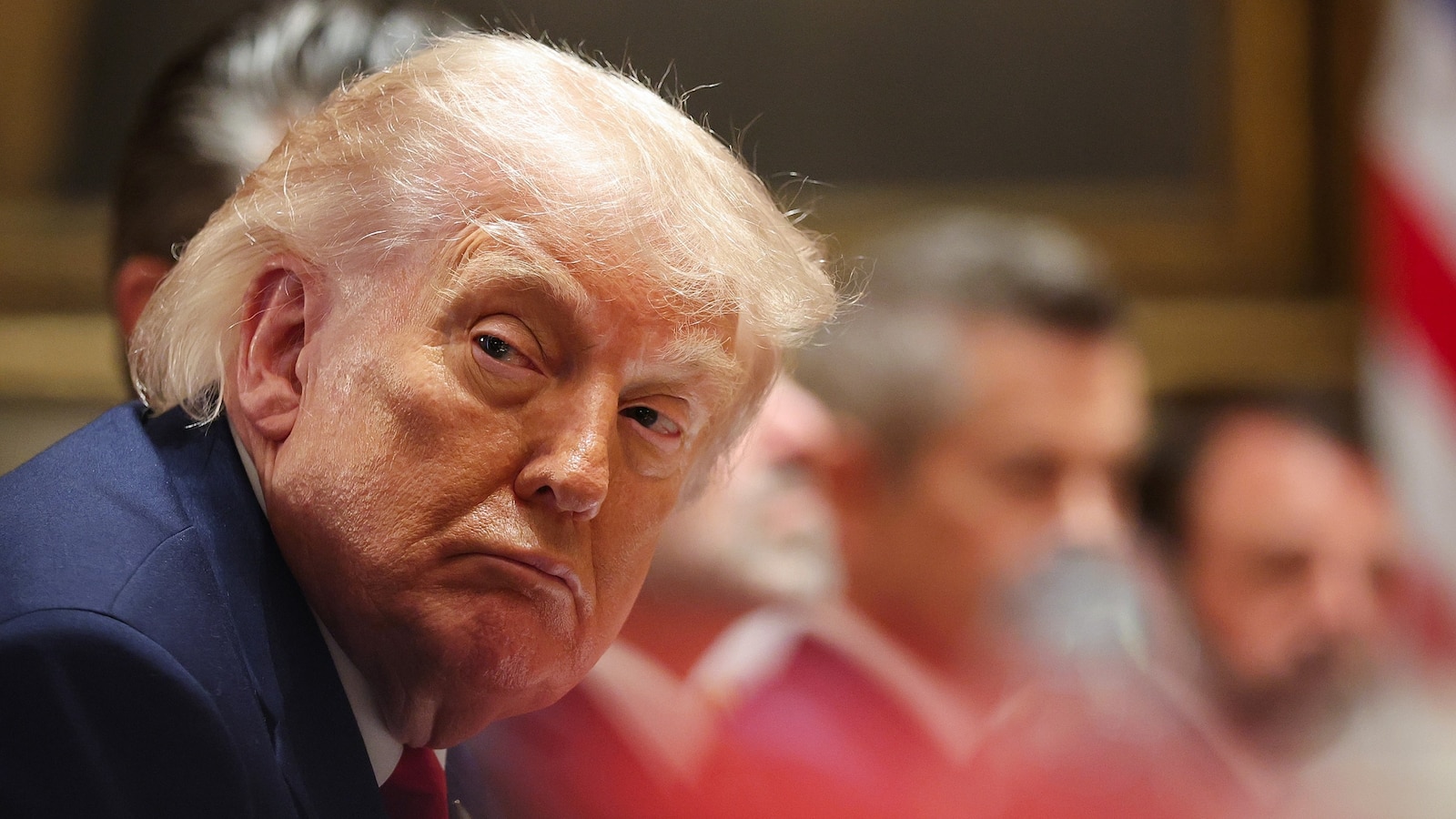
Trump said he is in no rush to reach a deal with Iran and emphasized that he is "not satisfied" with negotiations, while ruling out sanctions relief or asset unfreezing. He also warned that the Strait of Hormuz will be "open to everybody" and appeared to threaten Oman, raising geopolitical and energy-supply risks. The comments point to elevated tensions around Iran's nuclear program and could keep oil and broader risk markets on edge.
The market is likely underpricing the asymmetry between rhetoric and actual supply disruption. The near-term effect is not a binary “deal/no deal” outcome; it is a higher probability of rolling sanction pressure, episodic shipping risk in the Gulf, and a lower ceiling on any geopolitical risk premium being sold away quickly. That argues for a stickier uplift in crude volatility than in spot prices alone, because options and term structure will reflect tail risk before barrels are actually lost. The more interesting second-order effect is on winners from policy uncertainty, not just on oil itself. LNG, refined-product export infrastructure, and domestic defense supply chains should see better political support and procurement optionality if the White House keeps framing the issue as regime leverage rather than compromise. Conversely, import-heavy transport, airlines, and chemicals are exposed to a classic squeeze: fuel costs stay elevated while hedging becomes more expensive, compressing margins even if Brent only holds in a relatively modest range. The Oman/Strait rhetoric matters because it expands the set of plausible miscalculation points beyond Iran proper. Even if no actual closure risk materializes, the market may start pricing a higher probability of convoying, insurance premiums, and demurrage costs, which can ripple through tanker rates and port-related logistics over the next 1-3 months. That is a cleaner expression than outright directional oil longs if the headline cycle stays noisy but barrels do not immediately spike. The contrarian view is that the administration may be using maximalist language to preserve negotiating leverage while avoiding a true supply shock ahead of domestic political stress. If backchannel talks progress, the first asset reaction would likely be a sharp compression in implied volatility and a quick retracement in the geopolitical premium, even if spot crude barely moves. So the better risk/reward may be in volatility and relative-value expressions rather than chasing outright energy beta after an already hawkish headline.
AI-powered research, real-time alerts, and portfolio analytics for institutional investors.
Request DemoOverall Sentiment
moderately negative
Sentiment Score
-0.45
