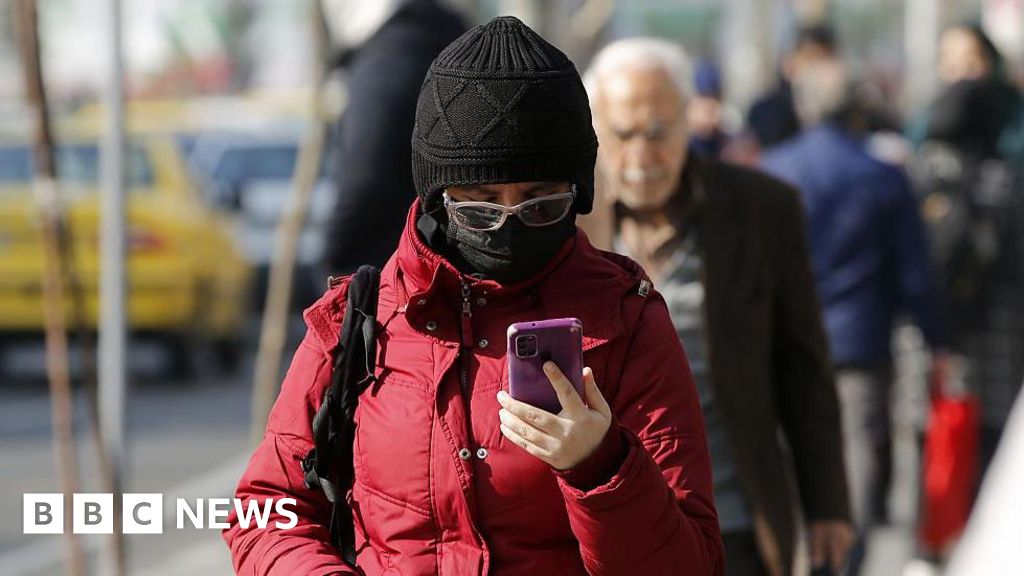
Iran has begun partially restoring internet access after nearly three months of blackout, with Netblocks reporting restoration around 13:00 GMT, though most networks were still down. The outage followed US and Israeli attacks on 28 February and was justified by Iranian officials as a way to prevent surveillance, espionage and cyber-attacks. While the move may help economic activity for some users, restoration appears incomplete and could come back with tighter restrictions.
The immediate beneficiaries are the gray-market connectivity providers: VPN resellers, satellite-internet workarounds, encrypted comms apps, and local IT service firms that have spent months monetizing scarcity. A partial reopening is not the same as normalization; historically, these rollbacks tend to be throttled, geographically uneven, and paired with tighter filtering, which means the reopening can expand usage volumes without restoring trust. That favors operators that sell redundancy, anonymity, and route diversity more than it benefits mainstream consumer internet platforms.
The more interesting second-order effect is on the domestic labor market for digital workers and small exporters. Freelancers, e-commerce merchants, and remote contractors likely re-enter first, but in a controlled environment that preserves friction and keeps transaction costs elevated; that compresses margins rather than unlocking a full productivity rebound. If access remains unstable, the economy gets the worst of both worlds: enough connectivity to raise expectations and enough restrictions to keep capital flight, user growth, and ad monetization impaired.
From a geopolitical lens, restoration should be treated as a tactical de-escalation signal, not a durable policy shift. The key catalyst is whether broader ceasefire dynamics hold over the next 1-4 weeks; a renewed strike cycle would likely trigger another shutdown and reprice any reopening premium immediately. The tail risk is that internet controls become more sophisticated after the blackout, converting a temporary outage into a structural surveillance regime with longer-run negative implications for Iran’s digital ecosystem and any cross-border data-dependent activity.
Consensus may be underestimating how little 'restored' connectivity actually means for investable exposure: the biggest upside is not internet usage, but the repricing of resilience tooling and secure access infrastructure. Conversely, the market may be overestimating any near-term normalization effect on Iranian consumption or business activity, because reopening can be more about control than freedom. In other words, this is a selective beneficiary event, not a broad risk-on catalyst for emerging markets.
AI-powered research, real-time alerts, and portfolio analytics for institutional investors.
Request DemoOverall Sentiment
mildly negative
Sentiment Score
-0.15
