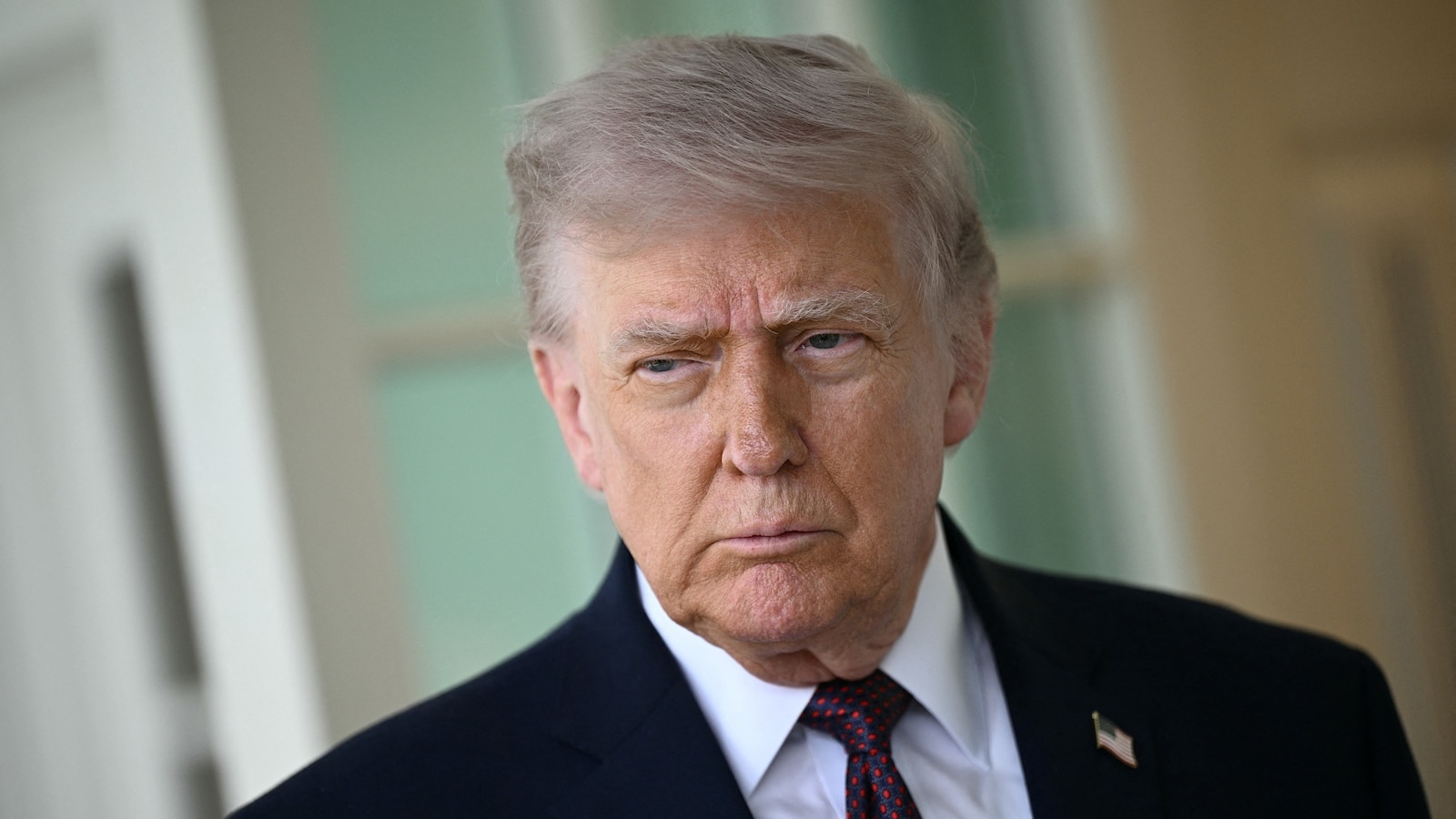
U.S.-Iran negotiations remain stalled after failed weekend talks in Islamabad, with mediators now racing to restart in-person discussions before the two-week ceasefire expires next week. Key sticking points remain a 20-year U.S. demand for a total uranium-enrichment ban versus Iran's shorter timeline, while Washington is also moving ahead with a naval blockade of Iranian ports. The article suggests continued geopolitical risk to energy markets and broader regional stability, though both sides still signal interest in a diplomatic settlement.
The market should treat this as a volatility event, not a clean directional macro call. The most important second-order effect is that even a partial diplomatic bridge lowers the probability of an immediate supply shock, but it also increases the odds of a longer, stop-start coercive cycle that keeps shipping insurance, freight, and regional defense spend elevated. That tends to compress upside in broad energy while preserving a bid in names exposed to geopolitical risk premia rather than outright barrels. The blockade language matters more than the negotiation rhetoric because it is a lever on Iranian cash flow and bargaining power. If enforcement tightens for even a few weeks, the first-order loser is not just Iranian exports; it is the marginal barrels that move through gray channels, which can widen differentials for alternative exporters and strengthen the pricing power of Gulf-linked logistics and defense beneficiaries. Conversely, any credible concession on enrichment would likely hit the “war premium” in crude faster than physical balances deteriorate, making energy equities vulnerable to a sharp mean-reversion trade. The timing window is short: next week’s ceasefire expiration is a binary catalyst, but the more tradable horizon is 1-4 weeks because positioning will likely overreact to headlines before any durable framework is reached. The most underappreciated risk is that an MoU-style interim deal is enough to reduce immediate strike risk without actually resolving the core issue, leaving markets with lower spot oil but persistent tail risk — a bad setup for outright longs and a better one for optionality sellers if premiums remain inflated. Consensus may be overestimating how much a deal would normalize energy markets. Even if talks resume, the structural takeaway is that both sides now have incentive to use maritime pressure, sanctions, and mediated ambiguity as tools of leverage, which argues for higher baseline volatility across crude, LNG, shipping, and defense than pre-crisis pricing implies.
AI-powered research, real-time alerts, and portfolio analytics for institutional investors.
Request DemoOverall Sentiment
mildly negative
Sentiment Score
-0.15
