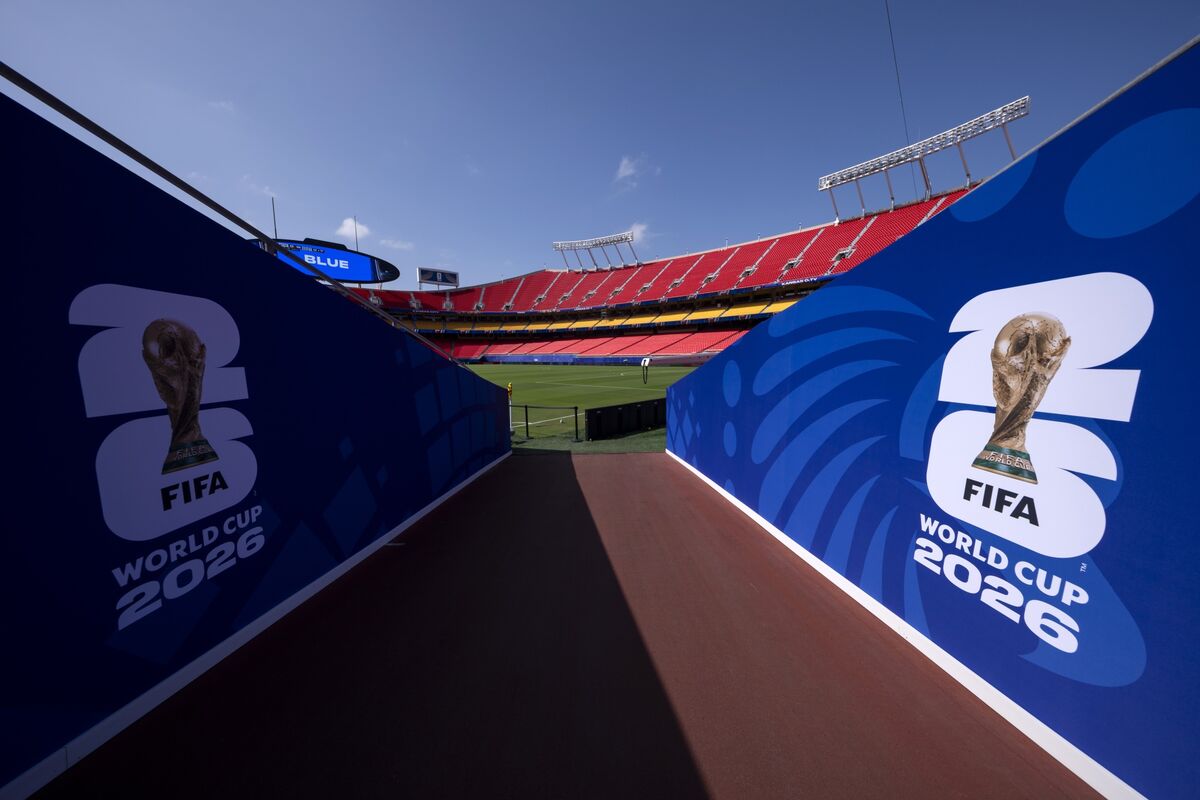
A U.S. spy powers law expired on Friday, creating uncertainty around intelligence gathering during a summer of major events including the World Cup and America 250 celebrations. Republicans argue the lapse makes the country less safe at a sensitive time, implying a modest risk-off political and security backdrop rather than an immediate market shock.
The immediate market impact is not in the intelligence names themselves but in the escalation premium embedded across event security, cyber, and infrastructure contractors. When statutory uncertainty hits at a time of concentrated public gatherings, agencies and municipalities tend to substitute toward vendorized capabilities faster than they hire or coordinate internally, which can pull forward spend into private security, surveillance, drone interdiction, and cyber monitoring over the next 1-2 quarters.
The second-order loser is any operator whose risk model assumes stable federal intelligence sharing: stadium operators, transit systems, venue insurers, and large event promoters may face higher pricing or tighter exclusions if underwriter confidence weakens. That matters more for the 2026 planning cycle than for this summer, because insurance renewal language and procurement decisions are made months ahead; a short lapse can become a durable premium increase if it is followed by another partisan standoff.
The contrarian read is that markets may overstate the duration of the risk. For a finite set of marquee events, state/local and private security can partially backfill capability gaps, limiting the true operational impact unless the lapse coincides with a specific threat vector. The bigger medium-term trade is not a direct loss of safety, but a slow re-rating of political-risk assets tied to major-event execution, where every additional headline keeps procurement costs elevated and raises the probability of federal reauthorization being bundled into broader legislation.
Catalysts to watch are any near-term incident, venue-specific threat bulletin, or evidence of slower approvals for federal contracts and intelligence-sharing agreements. If Congress restores authority quickly, the trade likely fades in days; if the impasse extends into the fall, expect a multi-month tailwind for defense-electronics, physical-security, and cyber-monitoring vendors, with the largest upside in names leveraged to recurring compliance and surveillance budgets.
AI-powered research, real-time alerts, and portfolio analytics for institutional investors.
Request DemoOverall Sentiment
mildly negative
Sentiment Score
-0.25
