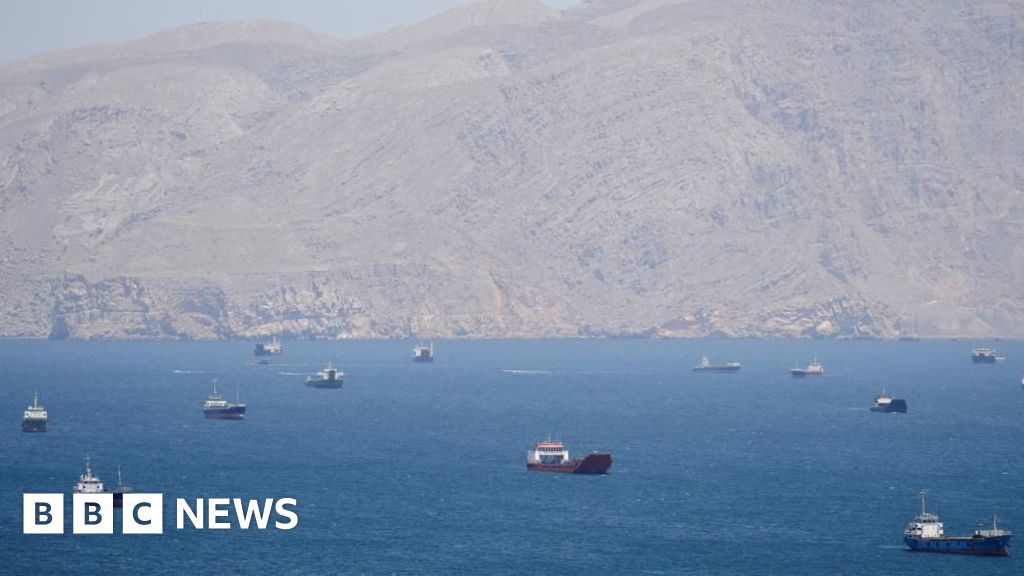
The US warned shipping firms they may face sanctions if they pay Iran tolls for passage through the Strait of Hormuz, while OFAC also targeted three Iranian foreign exchange houses. The blockade has already forced 45 commercial ships to turn around and cut traffic through the strait to just a handful of vessels per day from about 3,000 monthly, raising transport and aid-delivery costs. The measures increase geopolitical and supply-chain risk for oil, goods, and humanitarian flows across a critical maritime chokepoint.
The immediate market implication is not just higher friction in the Strait, but a forced re-pricing of payment, insurance, and settlement workflows across the shipping stack. Even where vessels are not directly targeted, any party touching the transaction chain can become sanctionable, which raises the expected cost of doing business far beyond the nominal toll and should widen the discount rate applied to Gulf-origin cargo flows. That dynamic is most painful for smaller operators and spot-exposed charterers, who have less ability to absorb detention risk, reroute quickly, or structure compliant payment rails.
The second-order effect is a supply-chain squeeze that is more inflationary for time-sensitive cargo than for bulk commodities. Longer routes and rerouting around the Cape create a capacity bottleneck that compounds with higher fuel burn, so the biggest losers are shippers with low-margin, high-frequency cargoes and insurers financing the trade, while beneficiaries include non-Gulf alternative suppliers, bunker/forward freight counterparties, and any logistics providers with available vessel capacity outside the region. Energy is the obvious lever, but the more durable transmission is through freight rates and delivery reliability, which can stay elevated even if crude only spikes briefly.
The key catalyst window is days to weeks: any additional enforcement action or interdiction incident can quickly push more ships out of the route and create a self-reinforcing pause in traffic. Over months, the risk is that sanctions compliance becomes a permanent overhang, structurally reducing throughput and raising the equity risk premium for shipping, marine insurance, and certain EM FX linked to regional trade. The contrarian view is that the market may be underestimating how fast trade adapts via legal entity restructuring, third-country intermediaries, and non-dollar settlement, which could blunt the revenue impact on Iran while still leaving listed transport names exposed to volatility rather than a clean directional shock.
AI-powered research, real-time alerts, and portfolio analytics for institutional investors.
Request DemoOverall Sentiment
moderately negative
Sentiment Score
-0.45
