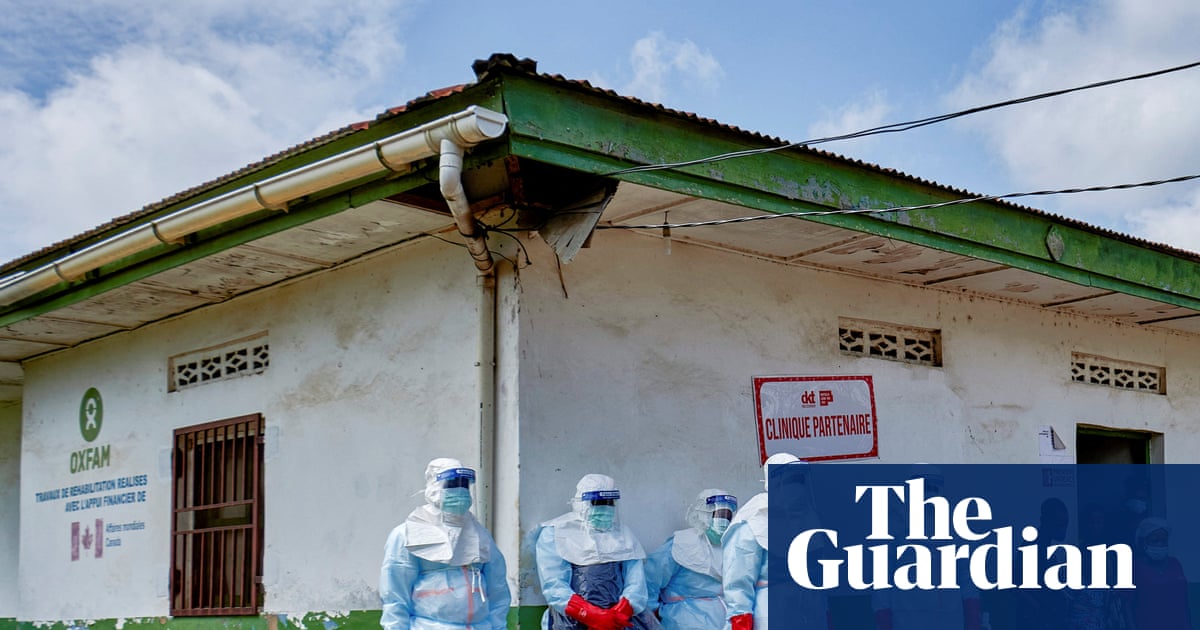
A US travel ban covering non-US passport holders who were in the DRC, Uganda, or South Sudan in the past 21 days is disrupting travel and aid flows amid a worsening Ebola outbreak that has already been linked to 139 deaths and about 600 suspected cases in the DRC, plus two confirmed cases in Uganda. Africa CDC warned that generalized travel restrictions and border closures can worsen outbreaks by increasing fear, damaging economies, and diverting movement to informal routes. The situation is further complicated by a new case in South Kivu and an Ebola case in rebel-controlled Goma, prompting calls to reopen the airport for medical supplies.
The near-term market impact is less about direct Ebola exposure and more about operational friction: airlift capacity, border processing, and humanitarian logistics in a region already constrained by conflict. The biggest second-order risk is that restrictive travel policies push movement onto informal routes, which lengthens containment timelines and increases the odds of localized supply chain interruptions for fuel, consumer staples, and medical goods across eastern DRC, Uganda, and adjacent corridors. That matters for regional carriers, freight forwarders, and any EM credit already priced for stable governance.
The outbreak’s escalation into areas with armed control raises the probability of an access shock, not just a health shock. If aid corridors or airports become intermittently unavailable, the tail risk shifts toward a protracted containment campaign measured in months rather than weeks, with repeated bursts of flight cancellations, insurance claims, and NGO procurement spikes. In that scenario, companies with on-the-ground distribution networks and cold-chain capability can outperform, while pure passenger travel names remain vulnerable to headline-driven demand destruction even outside Africa because of generalized risk aversion.
The contrarian angle is that blanket bans may be politically satisfying but economically self-defeating, so a reversal or softening could come quickly if US/WHO messaging pivots toward targeted screening and source control. That creates a tradable setup in travel/transport names with Africa exposure: the current move is likely too broad relative to direct revenue exposure, but too early to fade outright until case trajectory stabilizes. Health-security contractors, diagnostics/logistics providers, and vaccine-platform names may see temporary support if governments and multilaterals move from restriction toward financing containment capacity.
From a portfolio lens, the main risk is not a single revenue hit but a sentiment spillover into EM assets and global travel multiples if case counts keep compounding. The market should watch for whether South Kivu/Goma access worsens or whether Uganda containment holds; the latter would cap downside quickly, while the former would justify a much longer-duration risk-off trade.
AI-powered research, real-time alerts, and portfolio analytics for institutional investors.
Request DemoOverall Sentiment
moderately negative
Sentiment Score
-0.45
