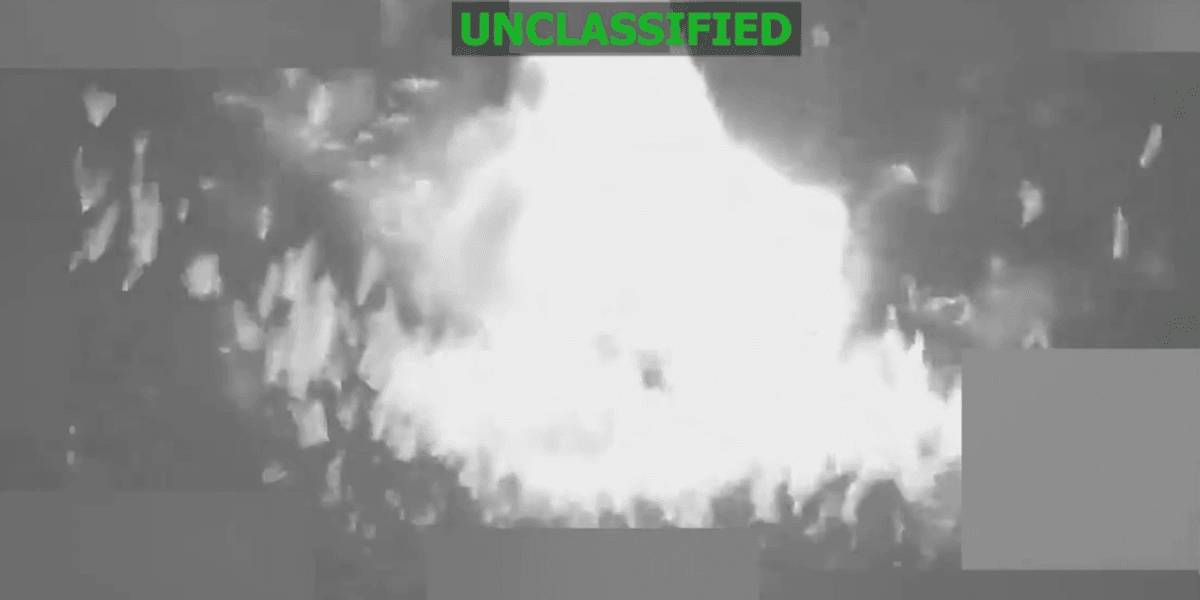
The Trump administration said it carried out another round of strikes on alleged drug-trafficking boats, bringing the campaign’s death toll to at least 168 people and lifting total deadly strikes to 48 since September 2025. The article highlights escalating legal and humanitarian concerns over operations not approved by Congress, while Trump also threatened a similar 'blockade' approach in the Strait of Hormuz. The rhetoric and military posture add geopolitical risk and could increase volatility across defense, energy, and broader risk assets.
This is less a pure counter-narcotics story than a signal that executive power is being normalized as a standing maritime enforcement tool. The second-order market implication is a higher probability of policy slippage into other chokepoints: if lethal force against non-state actors is treated as administratively acceptable, the hurdle for kinetic action around strategic sea lanes falls materially. That raises the tail risk premium across global shipping, offshore energy logistics, and any asset exposed to Gulf of Mexico/Caribbean transit disruption.
The immediate beneficiaries are defense primes and ISR-heavy vendors with persistent maritime monitoring, drone, signals intelligence, and command-and-control exposure. The key point is not a one-day munitions bump; it is a multi-quarter argument for higher funding of persistent surveillance, unmanned systems, and southern-border maritime assets, especially if Congress remains reactive. Expect this to favor contractors with software-defined defense revenue and recurring support budgets over pure platform names.
The bigger risk is that investors are underestimating how quickly this rhetoric can migrate from low-salience enforcement to high-salience geopolitical theater. A blockade-style posture around the Strait of Hormuz would instantly reprice tanker insurance, LNG shipping, and energy volatility, even if never executed. The market should treat this as a convexity event: low probability in the next few days, but high enough impact that cheap upside hedges are warranted.
Contrarian view: the current reaction may still be too complacent because the episode also strengthens the case for legal and congressional pushback, which could slow operational tempo. If that happens, the trade is not long-duration militarization but a short-lived headline-driven spike in risk assets tied to shipping disruption. The best setup is to own optionality rather than linear exposure until there is evidence that the doctrine is being institutionalized in budget or posture language.
AI-powered research, real-time alerts, and portfolio analytics for institutional investors.
Request TrialOverall Sentiment
strongly negative
Sentiment Score
-0.50
