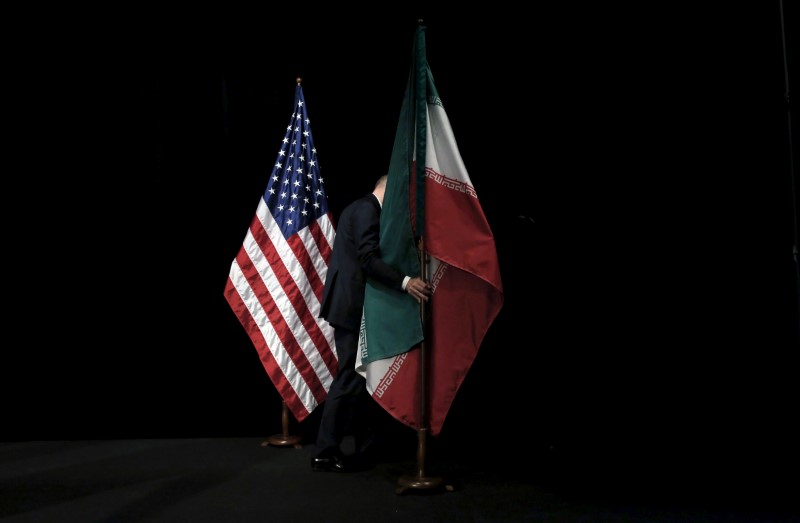
Recession probability rose to 37% (from 21% on Feb. 25) and S&P 500 futures are down ~1.4% pre-market, driven by a Middle East escalation and rising oil concerns. Ed Yardeni raised the odds of a 'Meltdown' to 35% (from 20%) and cut the 'Meltup' to 5%, warning an oil shock could precipitate a ~10–15% market correction and raise stagflation risk. U.S. crude output is near a record ~24 million barrels per day versus consumption of ~21 million bpd, but Iran-related supply fears and G7 reserve talks keep energy risk elevated.
Price action in energy is redistributing margins, not just cash flows: refiners and traders with access to light–heavy blending and shipping optionality capture outsized spreads within 4–12 weeks, while airlines, logistics and energy‑intensive industrials absorb costs with only a one‑quarter lag. Grade mismatch between available barrels and refinery slates (light U.S. crudes vs heavier Middle Eastern grades) means global refining economics will bifurcate — expect Indian/Chinese mids to print stronger crack spreads vs U.S. Gulf refiners unless arbitrage flows widen.
Macro transmission will be uneven: headline CPI pass‑through occurs in 1–3 months via transport and diesel, but core services inflation responds more slowly, keeping real rates volatile and policy reaction asymmetric. In a scenario where markets price stagflation, expect HY spreads to reprice first (50–150bp widening over 3 months) and IG spreads to follow, pressuring levered cyclicals more than integrated majors.
Near‑term catalysts that can unwind moves quickly are political/diplomatic signals, SPR releases, or OPEC tactical responses — these operate on a days–weeks cadence and can compress volatility. Structural persistence (months) requires sustained shipping/sanctions friction or measured OPEC+ tightening; absent that, corrections of 10–15% in risk assets are the base case rather than a multi‑quarter bear.
Contrarian read: the market is overpaying for an extreme stagflation tail given the U.S. energy mix and services exposure; breadth weakness is a positioning story. Tactical buys of high‑quality cyclicals and selectively leveraged E&P exposure on 10–20% equity drawdowns offers favorable asymmetry versus one‑way long commodity bets.
AI-powered research, real-time alerts, and portfolio analytics for institutional investors.
Request DemoOverall Sentiment
moderately negative
Sentiment Score
-0.45
