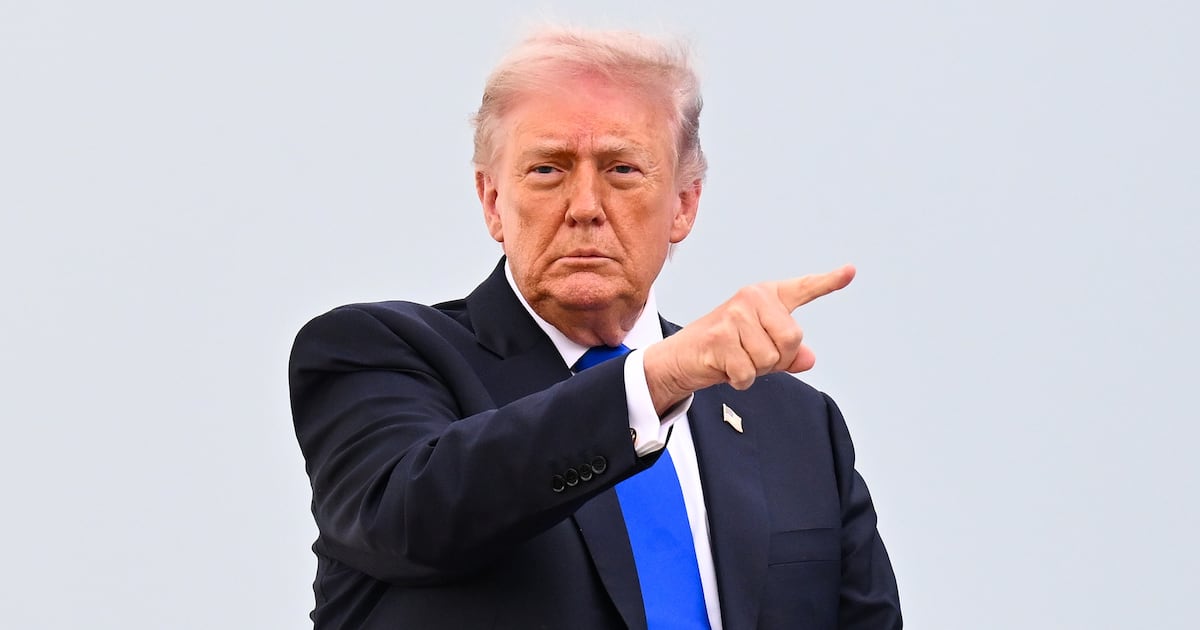
Brent crude jumped as much as 7.1% to above $126 a barrel, its highest level since 2022, before easing to around $122 as reports emerged that Trump is being briefed on new military options for Iran. U.S.-Iran tensions, stalled diplomacy, and a continued shutdown of the Strait of Hormuz are disrupting crude, gas, and refined product flows, pushing energy prices higher. Market participants are pricing in further upside risk until there is clarity on whether the shipping route can reopen.
The market is starting to price a true supply-dislocation regime, not a headline-driven spike. The key second-order effect is that a prolonged Hormuz closure plus credible strike risk shifts the energy curve from backwardation to persistent scarcity premium, which should widen spreads for physically exposed refiners, shipping insurers, and LPG/LNG logistics while compressing margins for any business with limited fuel pass-through. The winners are upstream producers with low lifting costs and non-Middle East barrels; the losers are airlines, parcel/logistics, chemicals, and industrials that cannot reprice quickly enough.
The bigger catalyst is not the strike itself but the possibility of a failed escalation cycle that keeps ports effectively shut for weeks, because that forces inventory drawdowns across Asia and Europe and can create localized shortages even if headline barrels are eventually replaced elsewhere. In that setup, U.S. strategic response options are constrained: SPR releases can smooth spikes, but they do not fix marine bottlenecks or insurance risk, so the real pain trade is in freight-linked asset prices and import-reliant economies. A sustained move above prior highs also raises demand destruction risk within 1-2 quarters, especially for discretionary travel and petrochemical end users.
The consensus is likely underestimating how fast political pressure will build if gasoline prints remain elevated for several weeks; that creates a nonlinear reversal risk once diplomacy resumes or a limited de-escalation corridor opens. But near term, the asymmetry still favors energy longs because the market can reprice scarcity in days while supply restoration takes months. The most attractive setup is to own beneficiaries of regional risk while shorting sectors with immediate input-cost exposure and weak pricing power.
AI-powered research, real-time alerts, and portfolio analytics for institutional investors.
Request DemoOverall Sentiment
strongly negative
Sentiment Score
-0.78
