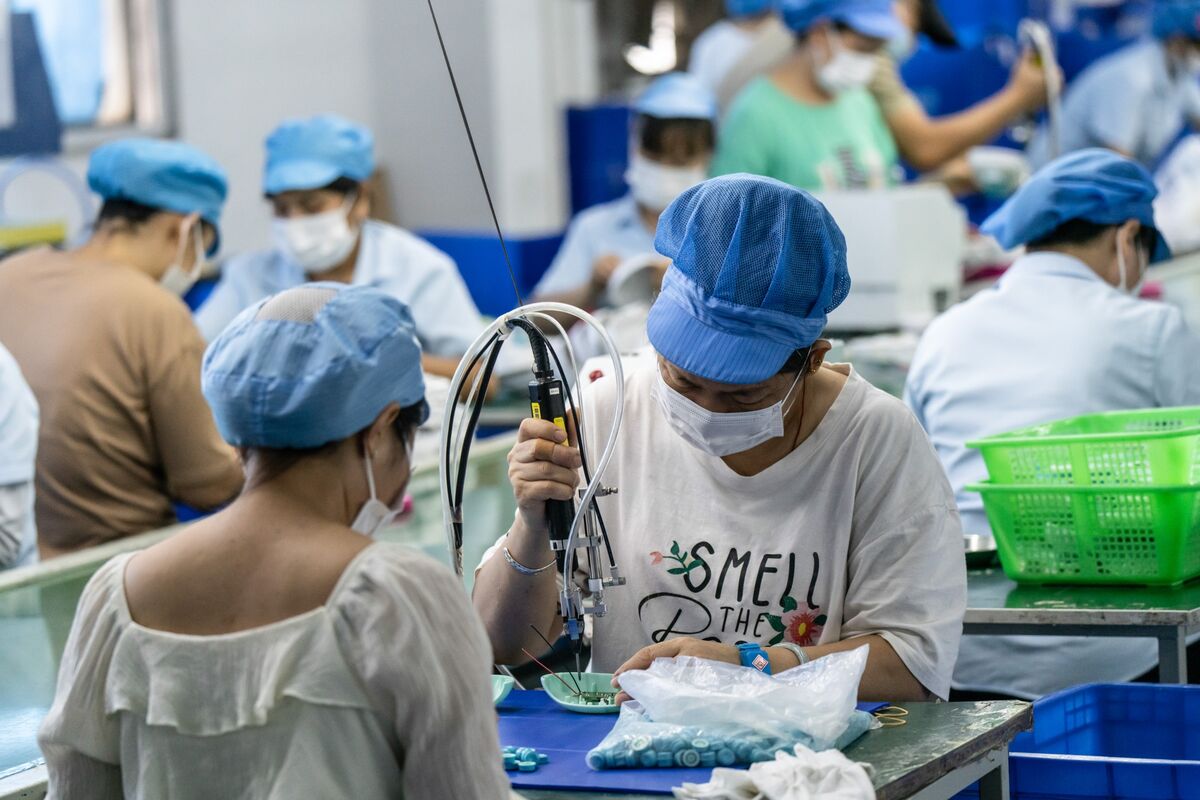
China's economy unexpectedly demonstrated signs of strength in June, with factory activity and construction experiencing their strongest month of Q2 and the official manufacturing PMI improving to 49.7, exceeding forecasts. This surprising economic resilience, despite persistent deflationary pressures and weakening employment, casts doubt on the likelihood of further monetary stimulus from Beijing, especially given the context of higher US tariffs.
China's economic data from June presents a conflicting narrative for investors, clouding the outlook for further policy support. The official manufacturing PMI, while still in contraction, unexpectedly improved to 49.7 from 49.5, surpassing forecasts and marking the strongest month for factory activity and construction in the second quarter. This surprising resilience, however, is juxtaposed with persistent deflationary pressures and a weakening employment market. The primary implication of this better-than-expected activity is that it casts significant doubt on Beijing's appetite for deploying additional monetary stimulus, as policymakers may see less urgency. This hesitation is likely compounded by the external pressure of higher US tariffs, creating an environment of heightened policy uncertainty.
AI-powered research, real-time alerts, and portfolio analytics for institutional investors.
Request DemoOverall Sentiment
mixed
Sentiment Score
0.05
