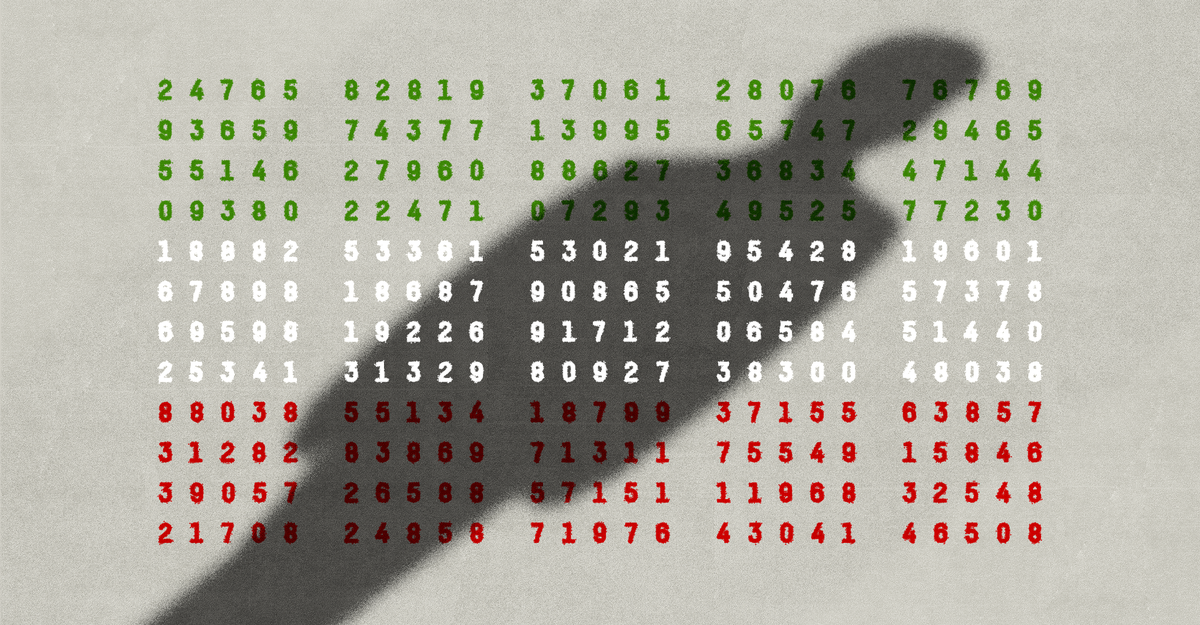
A Persian-language numbers station (tracker designation V32) broadcast strings of numbers seven times since the war began on Feb. 28, signalling active clandestine communications amid the Iran–U.S.–Israel conflict. The piece highlights elevated asymmetric risk: credible threats of overseas assassinations, proxy strikes (Hezbollah), and robust Iranian cyber capabilities that have previously targeted banks, critical infrastructure, and oil-sector systems. For portfolios, expect persistent risk-off flows and heightened volatility with potential knock-on effects for regional energy supply and cyber insurance exposures; monitor developments for targeted sanctions, retaliatory cyberattacks, and disruptions to Middle East energy logistics.
The numbers-station episode is a high-value signal that adversaries are preparing for communications-denied operations — not just headline missile strikes. That implies an increase in demand for out-of-band comms, hardened C2, and human-intel tradecraft support over a weeks-to-months horizon; sponsors will prioritize resilience over cost, changing procurement and contracting timelines for niche vendors.
On cyber, a calibrated ramp in Iranian asymmetric activity (including possible cooperation with Russian actors) raises the probability of targeted intrusions, supply-chain tampering, and financial-exfiltration attempts over the next 1–12 months. That should produce a two-part market reaction: (1) near-term hoarding of security services and managed detection (lift to vendors with scale and MSSP channels) and (2) concentrated counterparty and service-concentration risk for hyperscalers and critical cloud tenants if an incident hits an anchor customer. Expect ~5–15% incremental security budget reallocation in affected industries within 3–9 months.
For equities, the tradeable delta is volatility and contracting cadence more than pure revenue growth. Pure-play cloud-native defenders with rapid time-to-value (e.g., endpoint + XDR + MDR channel) are best positioned to convert headline fear into bookings; hyperscalers are strategic winners but carry systemic-outage tail risk and regulatory/sanctions complexity. Positioning should therefore express security-consolidation upside while capping downside through options or pairs; monitor 1–3 week headline spikes and quarter-end renewal windows as catalysts.
AI-powered research, real-time alerts, and portfolio analytics for institutional investors.
Request DemoOverall Sentiment
strongly negative
Sentiment Score
-0.65
Ticker Sentiment
